13-Year-Old Finds 2,300-Year-Old Greek Coin in Berlin
A teenager's field discovery in Berlin turned out to be an ancient Greek treasure that's rewriting what archaeologists thought they knew about ancient European connections. The rare coin traveled over 1,000 miles and survived more than two millennia to tell its story.
A rusty coin spotted by a 13-year-old boy in a Berlin field has archaeologists celebrating an incredible first: the German capital's very first ancient Greek artifact discovery.
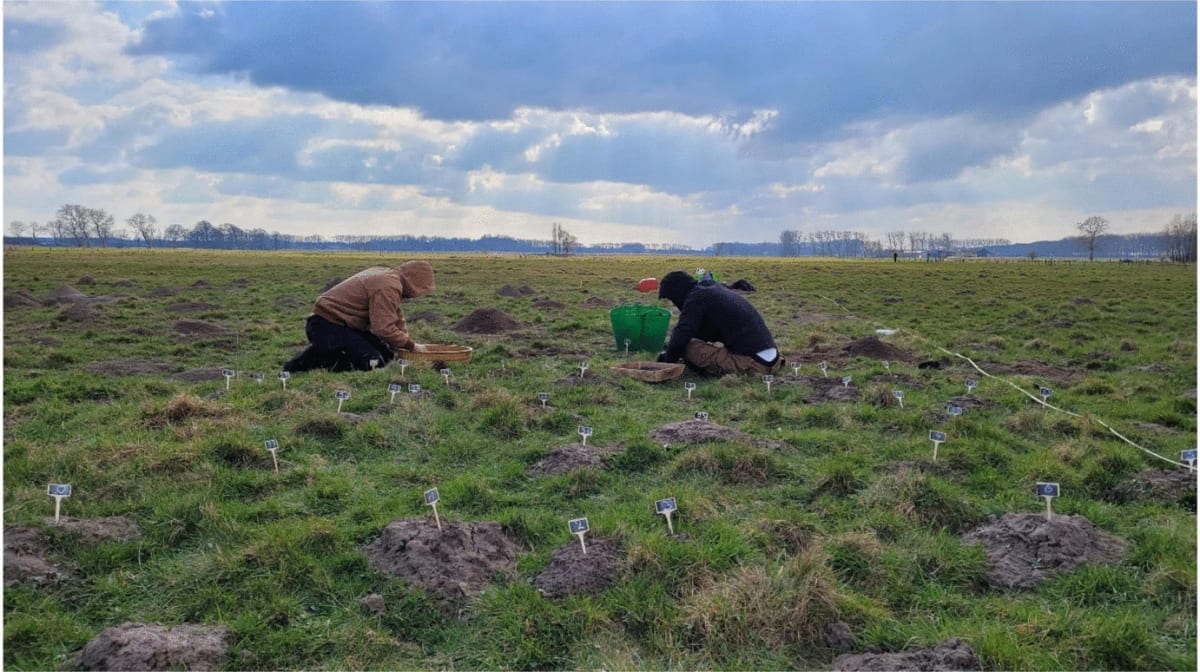
The young explorer found the tiny treasure in a field on Berlin's outskirts, a site that researchers had combed through for decades between the 1950s and 1970s. Everything previously discovered there came from the Iron Age, making this Greek coin a complete surprise.
When the boy showed his find to researchers at a local archaeology lab in November 2025, even the experts were stumped. "Nobody knew exactly what it was because it was so small," said Jens Henker, an archaeologist with the Berlin Heritage Authority.
A coin specialist finally cracked the mystery. The 12-millimeter treasure was a Trojan coin minted between 281 and 261 BCE, making it over 2,300 years old.
Despite its faded condition, the coin still shows the Greek goddess Athena wearing a Corinthian helmet on one side. The reverse depicts the same deity holding a spear and spindle, wearing a kalathos headdress.
The real puzzle isn't what the coin is but how it traveled from ancient Troy to what's now Germany. When ancient Greece was thriving, northern Europe remained largely unexplored territory.
Henker believes the coin likely arrived through trade networks or as payment to recruit Germanic-speaking peoples as soldiers. Ancient communities in the region may have melted down the precious metal for supplies or buried coins as grave gifts to honor their dead.
Why This Inspires
This discovery proves that ancient connections stretched farther than history books suggested. The coin represents a bridge between civilizations that scholars once thought barely interacted.
The find also shows how curious young minds can contribute to major scientific discoveries. By simply paying attention during a regular outing and sharing his find with experts, this teenager helped rewrite a small piece of European history.
One small coin survived wars, weather, and centuries of farming to reveal that the ancient world was more interconnected than we imagined.
More Images


Based on reporting by Google: ancient artifact found
This story was written by BrightWire based on verified news reports.
Spread the positivity!
Share this good news with someone who needs it