%2Fhttps%3A%2F%2Ftf-cmsv2-smithsonianmag-media.s3.amazonaws.com%2Ffiler_public%2F3b%2Fee%2F3bee4220-cf7d-4425-aa4c-42e7c6a5693a%2Fcoin.png)
13-Year-Old Finds First Ancient Greek Coin in Berlin
A teenager's field discovery turned out to be a 2,300-year-old bronze coin from Troy, making archaeological history in Germany's capital. The tiny artifact is revealing new connections between ancient civilizations separated by thousands of miles.
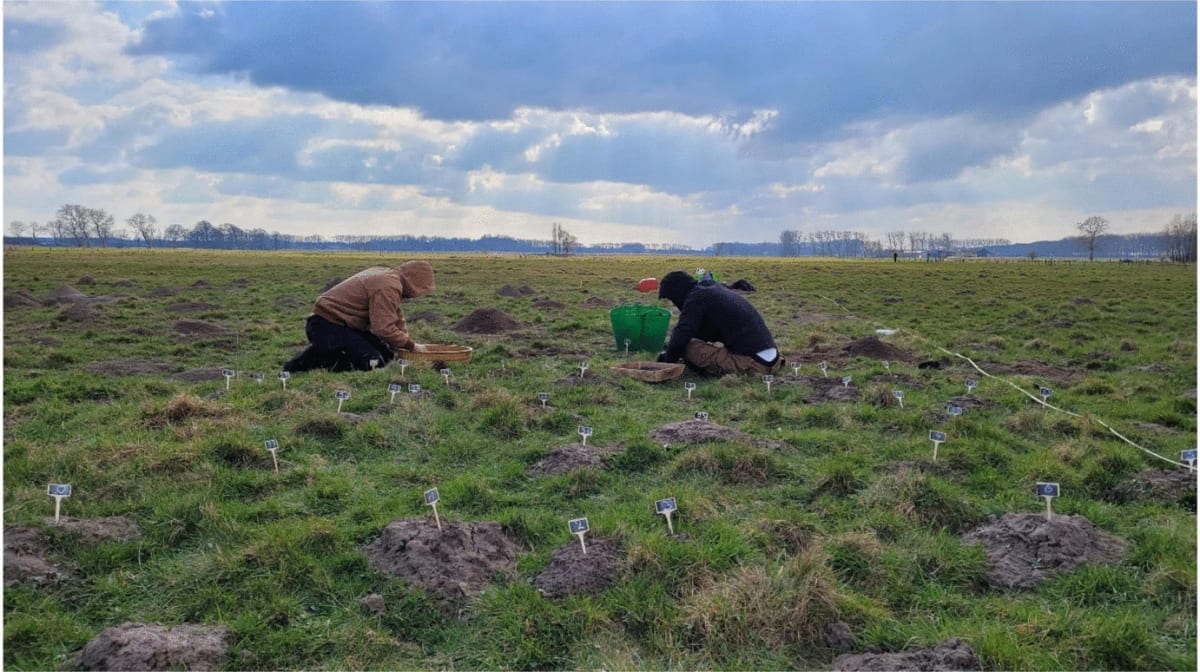
A 13-year-old boy picking through a field on Berlin's outskirts had no idea he was about to make history. The small bronze coin he discovered turned out to be the first ancient Greek artifact ever found in the German capital.
The teenager brought his find to Petri Berlin, an interactive archaeology lab, during a November 2025 visit. "Nobody knew exactly what it was because it was so small," says Jens Henker, an archaeologist with the Berlin Heritage Authority.
A numismatist identified the coin as a genuine piece of history from Troy, minted between 281 and 261 B.C.E. At just 12 millimeters wide (smaller than an American dime), it features the goddess Athena wearing a Corinthian helmet on one side and holding a spear and spindle on the other.
The discovery location made the find even more significant. The field in Spandau is a known burial ground dating back to the early Iron Age, around 800 B.C.E., where previous excavations uncovered ceramic fragments and ancient tools.
For the Germanic tribes who lived in the region 2,300 years ago, the coin likely held little monetary value since they had no currency system. Instead, Henker suggests it may have been placed in a grave as a treasured keepsake, "perhaps even to remember an experience in one's life."
How did a coin travel from ancient Troy to what is now Berlin? The mystery is part of what makes this discovery so exciting. Trade routes connected these distant civilizations, and Greeks imported amber from northern Europe for jewelry making.
Ancient Greek navigator Pytheas ventured beyond his "known world" around 320 B.C.E., traveling to the British Isles and Europe's Atlantic coast. His accounts challenged Greek stereotypes about northern "barbarians," though many dismissed his findings as fiction at the time.
The Ripple Effect
This tiny coin is helping archaeologists piece together a bigger story about ancient connections. Henker even wonders if Germanic peoples served as soldiers in Greek military forces, which could explain mysterious population losses during certain Iron Age periods.
While written records from these Germanic tribes don't exist, physical evidence like this coin proves that sophisticated networks linked distant cultures thousands of years ago. Similar Greek coins have been found elsewhere in Germany, and Greek graves contain amber from northern Europe.
The coin is now on display at a Berlin museum, where visitors can marvel at how something so small traveled so far. For the young discoverer, a routine day in a field became a contribution to understanding ancient human connections.
One small artifact is opening big conversations about how our ancestors were more connected than we ever imagined.
More Images
%2Fhttps%3A%2F%2Ftf-cmsv2-smithsonianmag-media.s3.amazonaws.com%2Ffiler_public%2F3b%2Fee%2F3bee4220-cf7d-4425-aa4c-42e7c6a5693a%2Fcoin.png)
%3Afocal(750x500%3A751x501)%2Fhttps%3A%2F%2Ftf-cmsv2-smithsonianmag-media.s3.amazonaws.com%2Ffiler_public%2F3b%2Fee%2F3bee4220-cf7d-4425-aa4c-42e7c6a5693a%2Fcoin.png)
%2Fhttps%3A%2F%2Ftf-cmsv2-smithsonianmag-media.s3.amazonaws.com%2Ffiler_public%2F6e%2F8b%2F6e8bad87-5f1e-4216-ba74-f085d50fd2b8%2Ffront-and-back.png)
%2Fhttps%3A%2F%2Ftf-cmsv2-smithsonianmag-media.s3.amazonaws.com%2Faccounts%2Fheadshot%2Fmellon.png)
Based on reporting by Google: ancient artifact found
This story was written by BrightWire based on verified news reports.
Spread the positivity!
Share this good news with someone who needs it