13 Young Adults Launch Clean Energy Careers in California
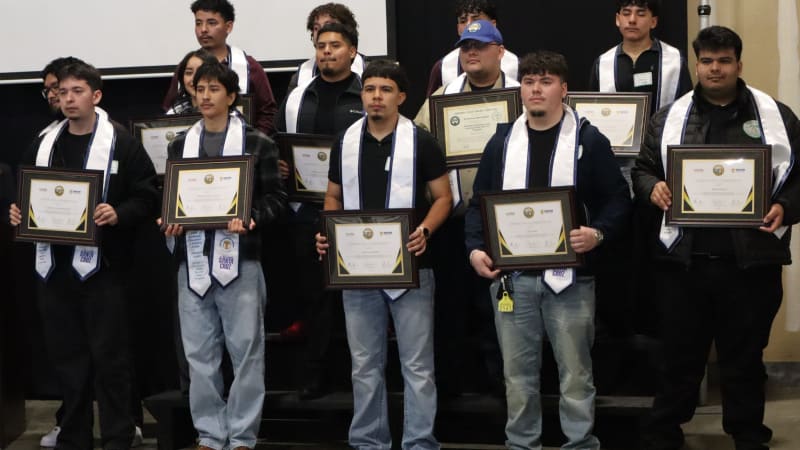
Thirteen young adults just graduated from a six-month program that's opening doors to California's booming clean energy workforce. The hands-on training helped low-income families while building real job skills for careers in energy efficiency.
Manuel Castro Perez never imagined he'd be installing water heaters and weatherproofing homes. But after six months of training, the Salinas resident found career opportunities he didn't know existed.
Castro Perez was one of 13 young adults who graduated from Central Coast Energy Services' Workforce Education and Training Center on January 30. Ten of the graduates call Monterey County home.
The program didn't just teach classroom theory. Participants worked on real homes, helping low-income households save energy while building marketable skills in home retrofitting and energy efficiency.
"This program is like a diamond," Castro Perez said at the graduation ceremony. He learned everything from insulation and thermal sealing to HVAC basics and mechanical ventilation.
Clean energy jobs are growing fast across America, with 2.38 million people already working in energy efficient technologies and services nationwide. That growth means real opportunities for young workers entering the field.
Several graduates have already landed full-time positions with CCES itself. Others are connecting with contractors and employers throughout the region, putting their training to immediate use.
The program addresses a critical need. The U.S. Labor Department reports a nationwide shortage of skilled workers, making technical certification programs more valuable than ever.
The Ripple Effect
This graduation shows how one program creates multiple wins. Young adults gain stable career paths in a growing industry. Low-income families get energy upgrades that lower their bills. Communities build the skilled workforce needed for California's clean energy future.
The graduates came from diverse backgrounds. Some attended the Center for Employment Training, others had construction experience, and some joined through the California Conservation Corps. A few even held four-year degrees but needed practical skills.
Castro Perez plans to continue his training with a specific goal in mind: becoming a building inspector. He represents what CCES CEO Dennis Osmer envisioned when designing the program to be more comprehensive and long-term than previous efforts.
California Chief Service Officer Josh Fryday, who spoke at the ceremony, summed up the program's impact: "This graduating cohort demonstrates how paid service and hands-on training can open doors to good careers, strengthen local communities, and help build the clean energy workforce California's future depends on."
Thirteen graduates are now ready to power California's clean energy transformation, one home at a time.
More Images

Based on reporting by Google News - Clean Energy
This story was written by BrightWire based on verified news reports.
Spread the positivity!
Share this good news with someone who needs it