130 Police Chiefs Unite at Auschwitz Against Rising Hate
Police leaders from around the world gathered at Auschwitz this week for an unprecedented summit on combating antisemitism and protecting vulnerable communities. The historic initiative comes as hate crimes surge globally and law enforcement steps up protection of religious institutions.
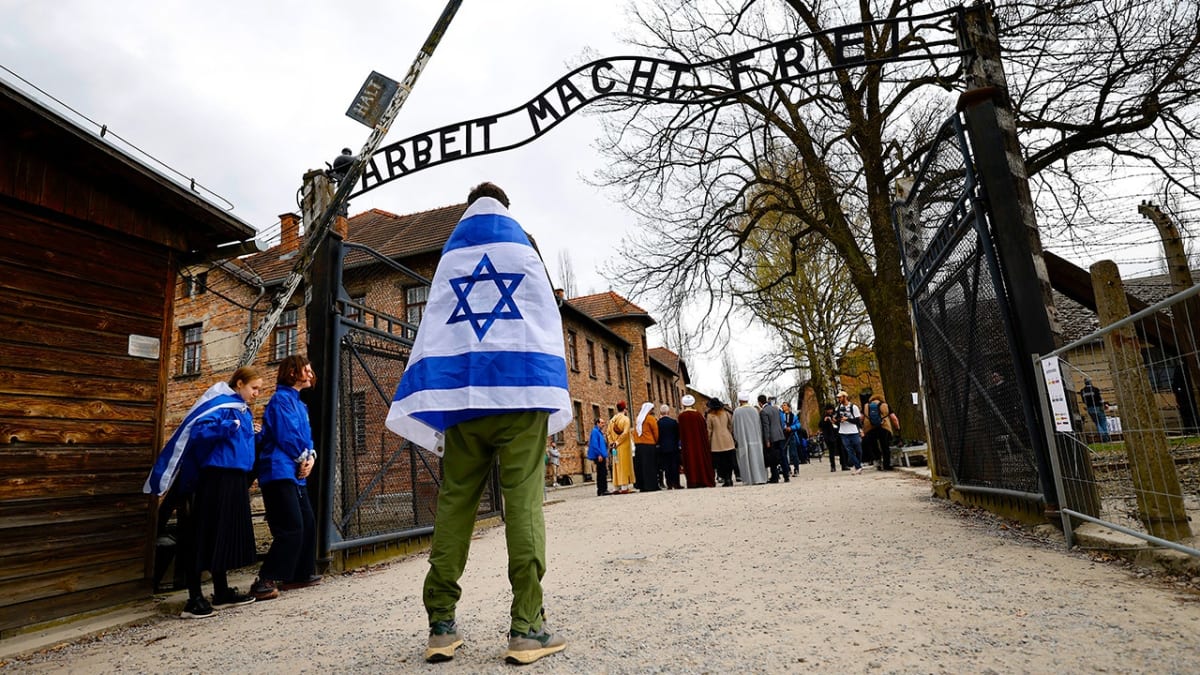
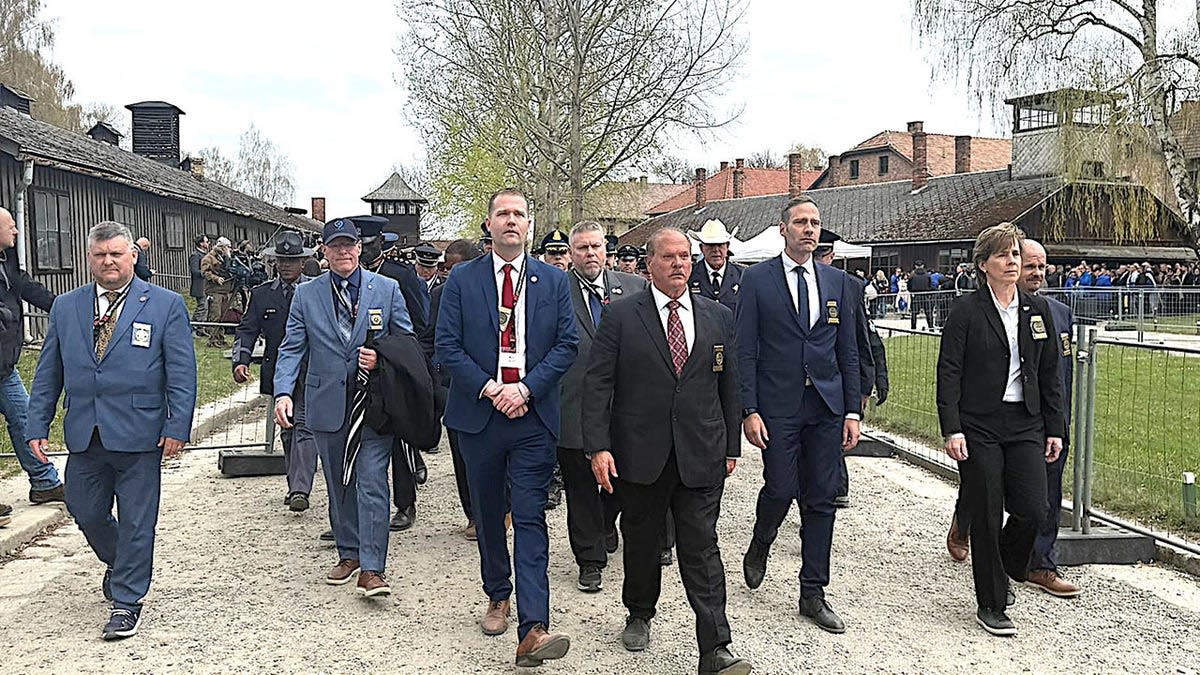
When 130 police chiefs from across the globe walked through the gates of Auschwitz-Birkenau this week, they carried a unified message: not on our watch.
The groundbreaking summit, organized by Rutgers University and the University of Virginia, brought law enforcement leaders to Poland to learn from history's darkest chapter. They joined thousands marching to honor Holocaust victims and commit to fighting modern hate.
"Being here is a testament to who these officers are and to the oath they have taken to protect all communities, regardless of identity," said Paul Goldenberg, a 37-year law enforcement veteran who helped organize the event. The three-day program included tours of Auschwitz and testimonies from Holocaust survivors.
But the summit wasn't just about remembering the past. Officers heard from Abbie Talmoud and Catherine Szkop, who survived a terror attack outside Washington D.C.'s Capital Jewish Museum in May 2025 that killed two Israeli embassy staff members.
"I have a family history tied to the Holocaust," Szkop shared at Auschwitz. "I realized my own name could have appeared there, with 'murdered in Washington, D.C.' written next to it." She now stays more alert in public spaces, wearing headphones less often to remain aware of her surroundings.
The timing reflects urgent need. Armed military units now guard synagogues across Western countries. Both the United States and Canada have deployed specialized police forces to protect Jewish institutions as hate crimes reach unprecedented levels.
The Ripple Effect
What makes this initiative powerful is its focus on action. Police leaders aren't just learning history; they're developing concrete strategies to train officers, support hate crime victims, and protect vulnerable communities back home.
Jeanne Hengemuhle, superintendent of the New Jersey State Police, represents one of dozens of agencies now implementing what they learned. With 3,500 sworn members and 1,500 civilian staff, her department works directly with community leaders to build trust and prevent violence.
The summit's lesson extends beyond any single community. "A synagogue in Belgium is Belgian. A synagogue in London belongs to London," Goldenberg explained. When religious institutions need armed guards to operate safely, it signals erosion of security for everyone.
These officers returned home with renewed purpose: understanding how dehumanization enables violence, and the critical role police play in sustaining democratic values. They're translating history's hardest lessons into training that keeps all communities safe today.
The march at Auschwitz honored six million Jewish victims while lighting a path forward, led by those sworn to protect.
More Images


Based on reporting by Fox News World
This story was written by BrightWire based on verified news reports.
Spread the positivity!
Share this good news with someone who needs it