1,300 People Pay $1 Daily to Save Rajasthan Wildlife
A photographer in Rajasthan rallied nearly 1,300 people to donate one rupee per day, raising $1,000 to build watering ponds and save endangered blackbuck from pollution and fencing. Their WhatsApp group is transforming how rural communities protect local wildlife.
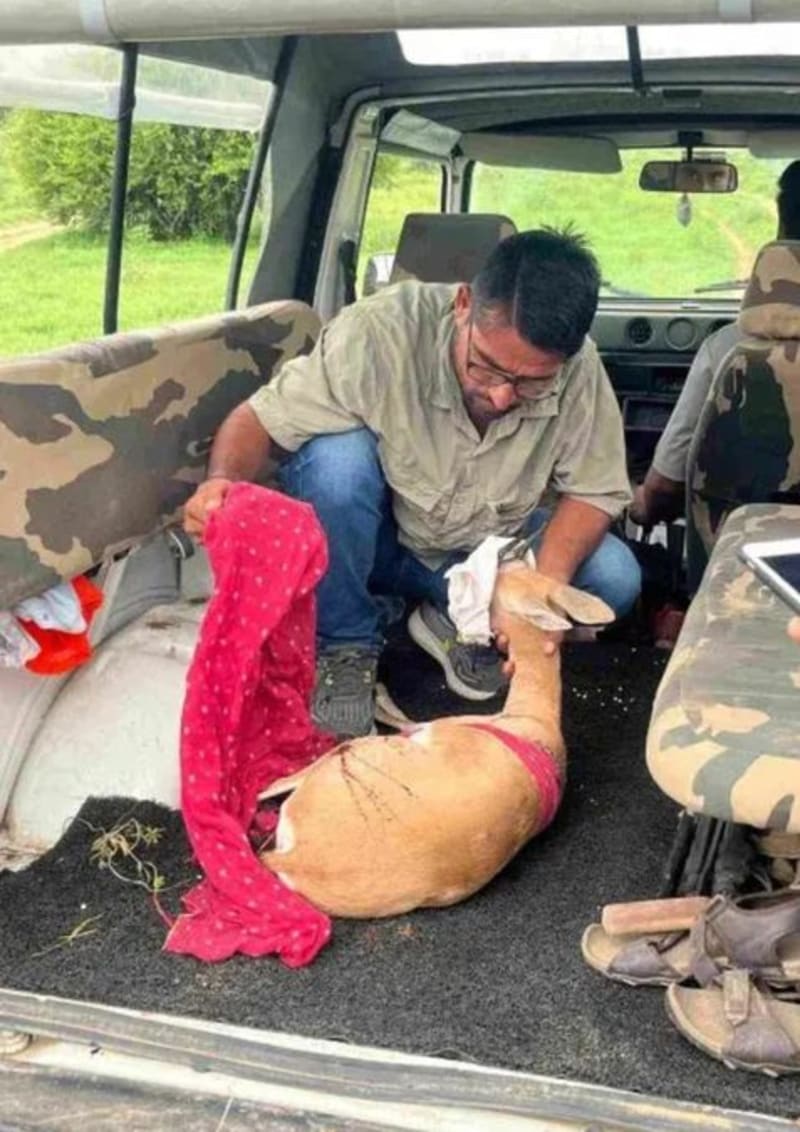
Sharvan Patel grew up watching blackbuck and deer roam freely through Dhawa village in Rajasthan, but over the years, those visits stopped. Pollution, barbed wire fences, and invasive plants turned the traditional orans (sacred groves) into danger zones where animals got trapped and died.
The photographer faced a puzzling problem when his team first built safer watering holes for wildlife. Animals kept returning to contaminated river water instead, risking their health with every sip.
Then Sharvan visited Tal Chhapar Sanctuary and noticed something simple but brilliant. Shallow, saucer-like ponds attracted wildlife naturally because they mimicked water sources animals trusted in the wild.
His team built similar shallow ponds in the orans and planted native ber trees (Indian jujube) that provided both food and shelter. The animals started coming back, but funding the work while holding down full-time jobs seemed impossible.
Sharvan launched a WhatsApp group with a straightforward pitch: donate one rupee per day to protect local wildlife. Nearly 1,300 people joined, and the micro-donations added up fast.
The group has collected 80,000 rupees (about $1,000) so far. That money refills watering holes during dry seasons, funds plantation drives with native species, and removes invasive plants choking the orans.
The work goes beyond digging ponds. Sharvan's team runs social media campaigns and visits schools to teach children about biodiversity, turning wildlife protection into a shared community value rather than one person's project.
The Ripple Effect
Villages across Rajasthan are watching Dhawa's experiment closely. The WhatsApp funding model proves that conservation doesn't require wealthy donors or government grants when communities pool small daily contributions.
Farmers who once saw wildlife as crop-raiders now help remove dangerous fencing and create safe corridors. School children plant native trees on weekends, learning that protecting local ecosystems matters as much as textbook lessons.
Sharvan's biggest lesson came from witnessing animals die trapped in fences. Those painful moments taught him that conservation only works when it solves real problems for both wildlife and the people who share the land.
The shallow ponds now host returning blackbuck herds, and deer venture back into fields at dawn. One photographer with a smartphone showed that anyone with a full-time job can still change their corner of the world, one rupee at a time.
Based on reporting by The Better India
This story was written by BrightWire based on verified news reports.
Spread the positivity!
Share this good news with someone who needs it