140+ Nations Back Historic Climate Accountability Ruling
In a powerful show of global unity, more than 140 countries voted to support a groundbreaking court ruling that holds nations legally responsible for climate damage. The victory started with determined law students from a tiny Pacific island nation.
Six years ago, a group of law students in the Pacific island nation of Vanuatu had an ambitious idea: convince the world's highest court that countries have a legal duty to protect the planet for future generations.
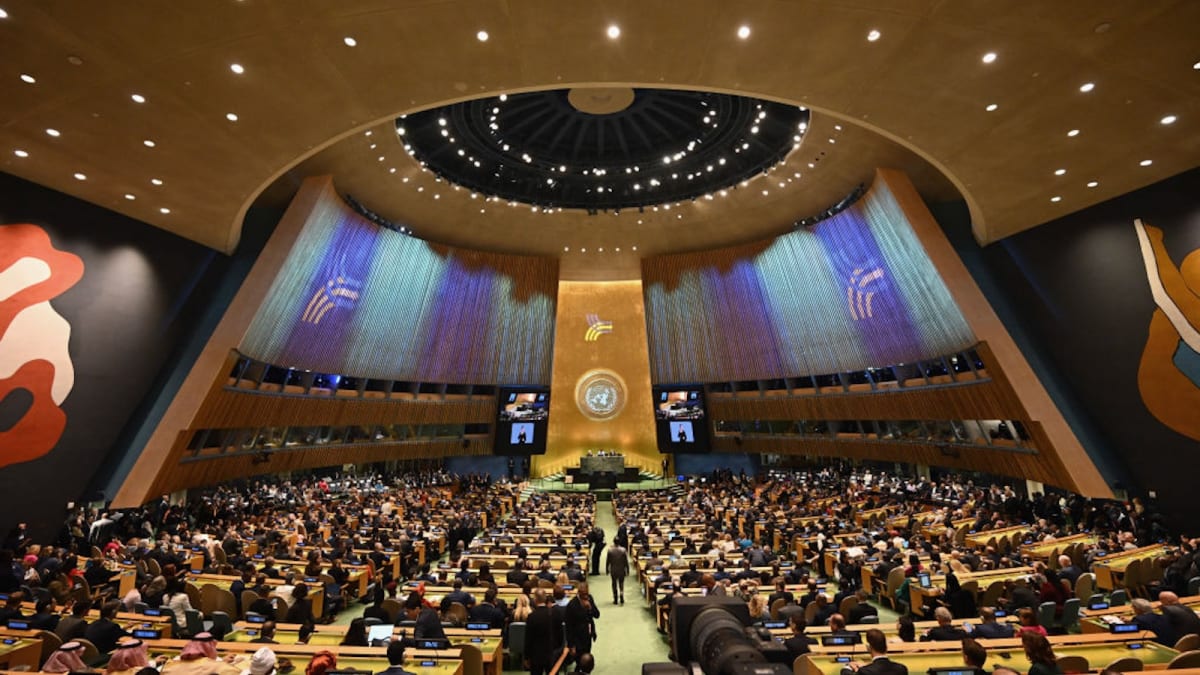
This week, their vision became a global movement. More than 140 countries at the United Nations voted to adopt a resolution backing the International Court of Justice's landmark ruling on climate accountability.
The court's decision, issued earlier this year, declared that countries failing to tackle climate change commit a "wrongful act." Nations harmed by climate inaction can now seek reparations from polluting countries.
The law students, who formed Pacific Islands Students Fighting Climate Change, convinced Vanuatu to take their case all the way to the International Court of Justice. The court sided with them unanimously.
"The journey of this idea from classrooms in the Pacific to The Hague and the United Nations gives us continued hope that when people organize, the world can be moved to act," said Vishal Prasad, one of the original student campaigners.
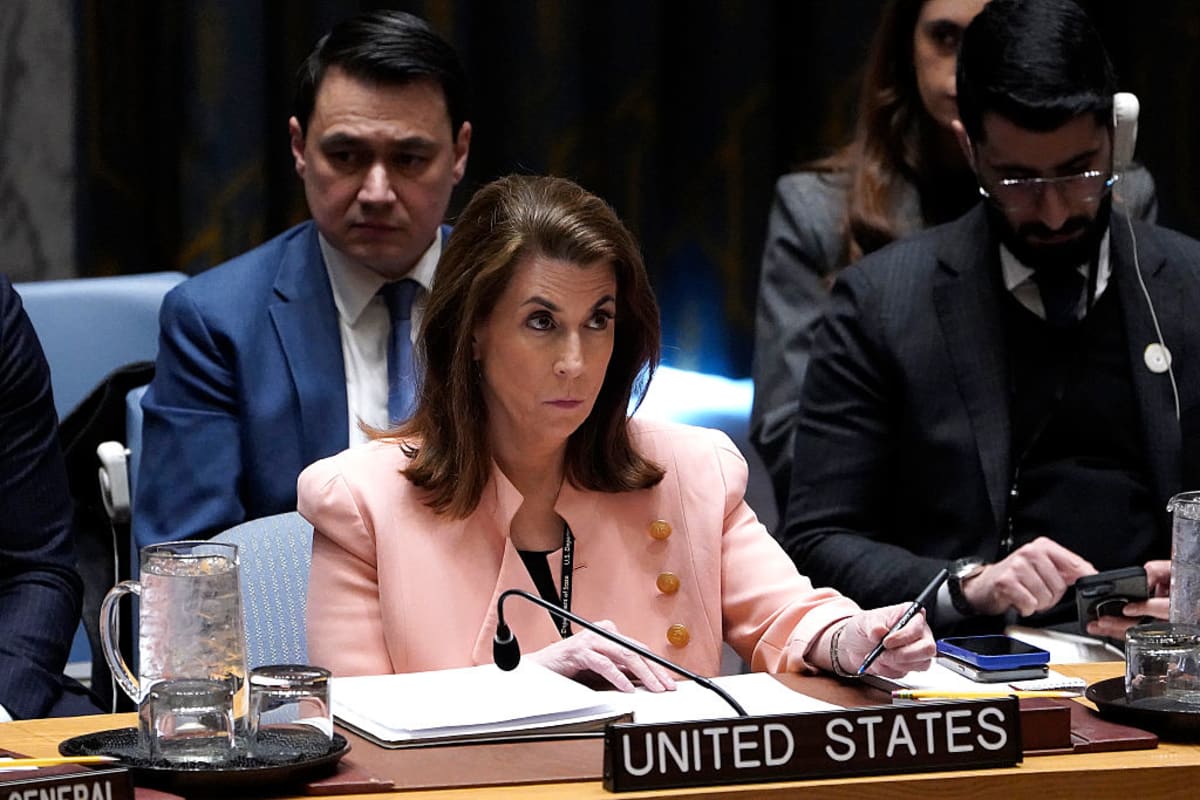
Only eight countries voted against the resolution, including the United States, Russia, Iran, Israel, and Saudi Arabia. Twenty-eight countries abstained.
The Ripple Effect
The near-unanimous vote sends a clear message: despite political headwinds, global cooperation on climate action remains strong. The resolution reinforces that countries must work to limit warming to 1.5 degrees Celsius and transition away from fossil fuels.
For Indigenous communities on the front lines of climate change, the ruling carries special significance. Māori climate advocate Mike Smith, currently pursuing legal action against New Zealand's largest greenhouse gas emitters, called it a "major shift" in understanding climate change not just as environmental damage, but as something with legal consequences.
The resolution calls on the UN Secretary-General to submit a report next year on how to implement the court's findings. While not legally binding, the vote demonstrates overwhelming political backing for climate accountability.
Nikki Reisch, director of the Center for International Environmental Law's climate program, said the resolution puts "political weight behind legal norms" and will help translate the court's conclusions into practical action.
From a classroom discussion to a unanimous court ruling to global political support, the students' vision has transformed how the world approaches climate responsibility. Their persistence proves that bold ideas, combined with determined action, can shift international policy.
More Images


Based on reporting by Grist
This story was written by BrightWire based on verified news reports.
Spread the positivity!
Share this good news with someone who needs it

%2Ffile%2Fattachments%2Forphans%2FMLJoburg-91_220988.jpg)