1,400 Endangered Frogs Released After Black Summer Fires
Scientists released 1,400 Watson's tree frogs into the wild after 80% of their habitat burned in Australia's Black Summer bushfires. The curry-scented amphibians with baritone calls disappeared for 19 years before being rediscovered in 2015.
Scientists hope the deep baritone call of Watson's tree frog will echo through Australia's forests again after releasing 1,400 captive-bred amphibians into the wild.
The endangered species lost 80% of its habitat when the devastating Black Summer bushfires tore through eastern Victoria and southeastern New South Wales in 2019-2020. Only 10 tiny populations survived, each no bigger than a kiddie pool, with breeding observed at just five sites.
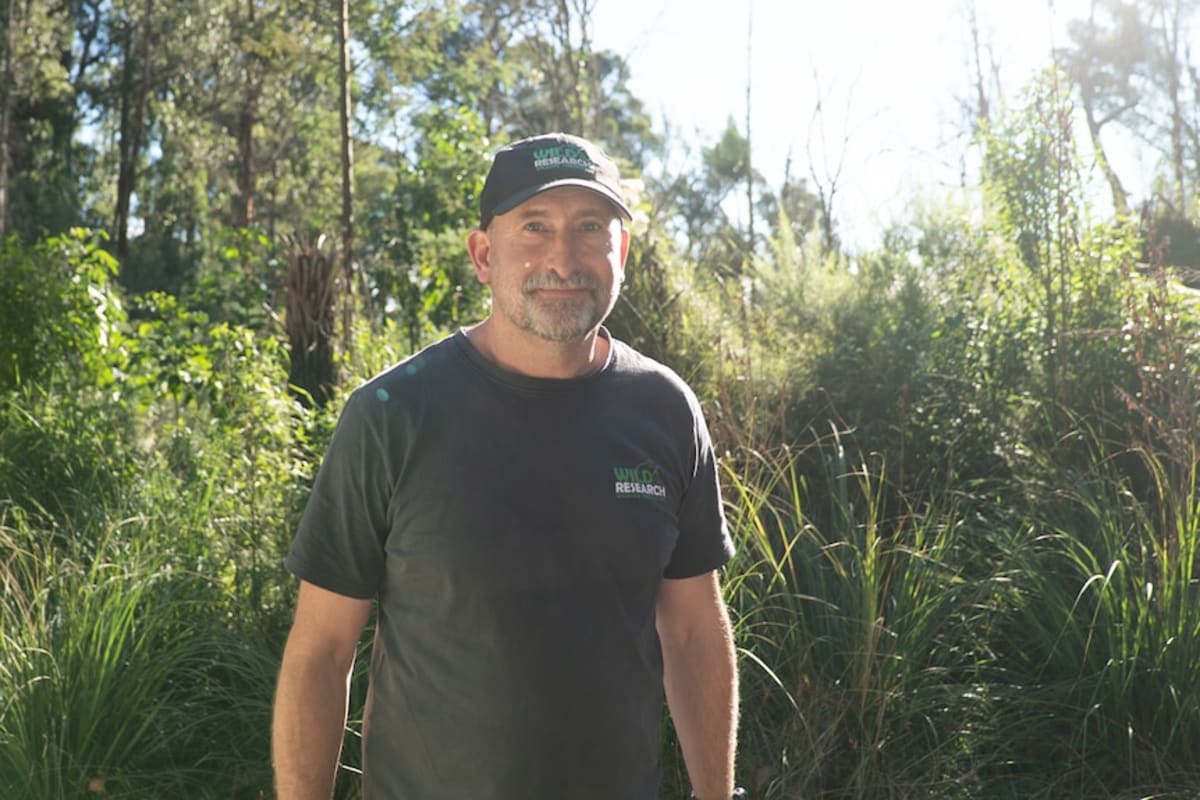
This year marked a turning point. Melbourne Zoo and Wild Research released 200 froglets and 1,200 tadpoles across 30 new sites in East Gippsland, tripling the locations where these rare frogs can now thrive.
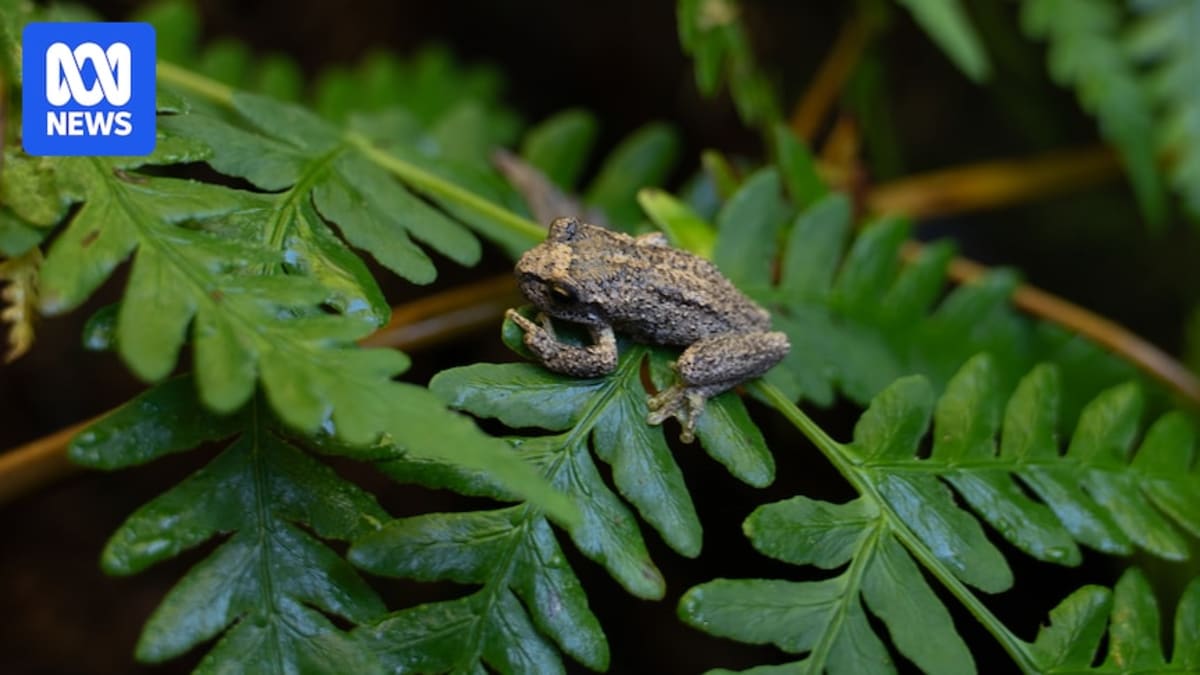
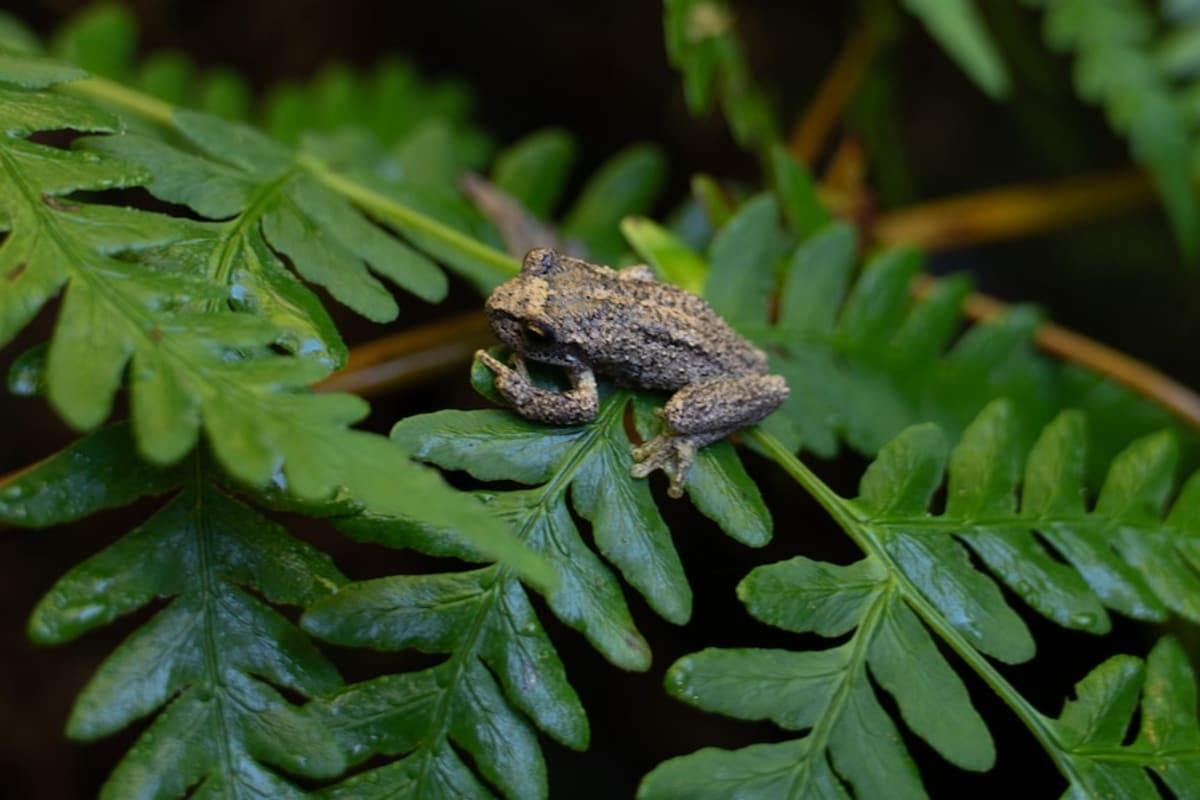
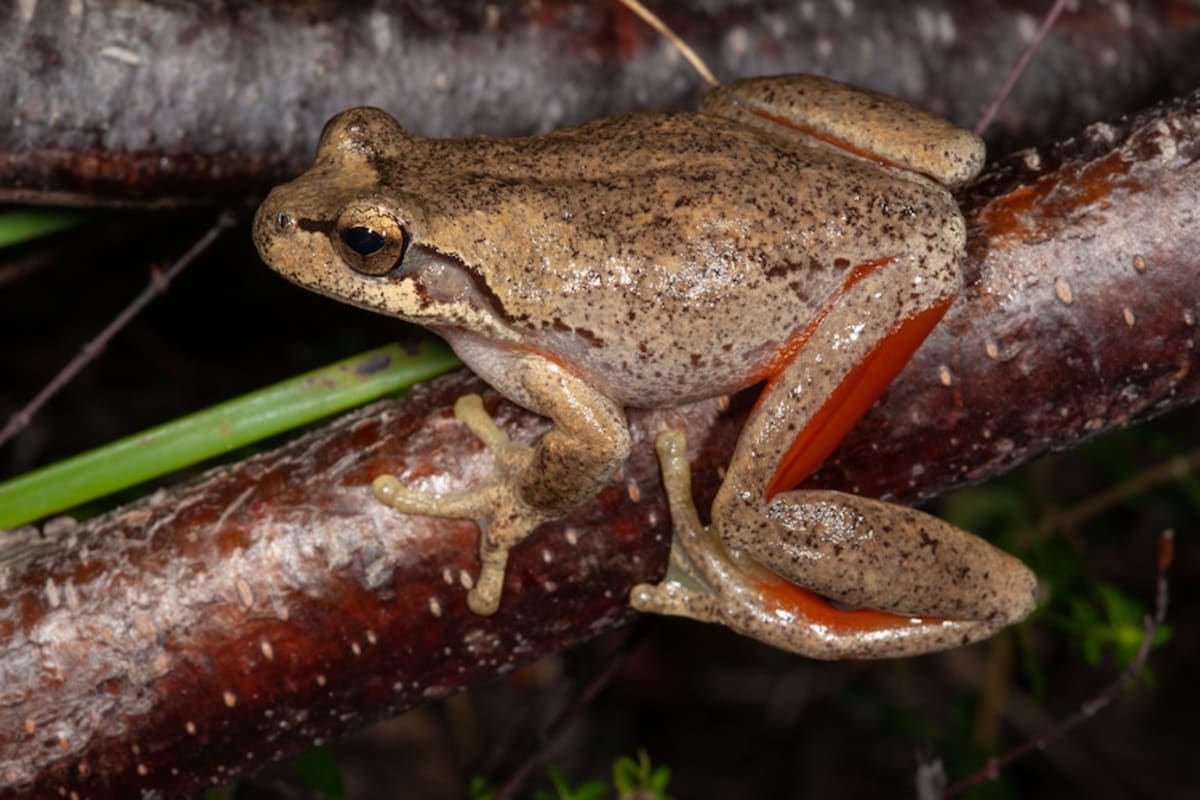
The Watson's tree frog is easy to identify but hard to find. These 6-centimeter amphibians sport brown coloring with bright orange thighs and smell distinctly like curry leaves. Unlike their whistling tree frog cousins, they produce a slow, deep call that scientists track through the wilderness.
For nearly two decades, researchers feared the species had gone extinct. No Watson's tree frogs were spotted in the wild from 1996 until 2015, when a small group was finally rediscovered.
Their survival remains fragile. Beyond habitat loss from the bushfires, the frogs face threats from chytridiomycosis, a deadly fungal disease that devastates amphibian populations worldwide. Introduced deer and pigs trample their sensitive breeding grounds, making recovery even harder.
The Ripple Effect
The Watson's tree frog release represents just one success in a broader recovery effort. The federal government established the Amphibian Bushfire Recovery Centre after the Black Summer fires to save multiple threatened species.
This year alone, the center's five recovery programs released 6,442 offspring back into Australian wilderness. The program also works to save the critically endangered Baw Baw and southern corroboree frogs, building insurance populations that protect these species from future disasters.
Scientists will continue monitoring the released tadpoles and froglets to understand how Watson's tree frogs adapt and survive. Every observation helps researchers refine their approach and speed up recovery efforts for a species still shrouded in mystery.
The baritone chorus is growing louder across East Gippsland, one froglet at a time.
More Images

Based on reporting by ABC Australia
This story was written by BrightWire based on verified news reports.
Spread the positivity!
Share this good news with someone who needs it

%2Fhttps%3A%2F%2Ftf-cmsv2-smithsonianmag-media.s3.amazonaws.com%2Ffiler_public%2Fa9%2F51%2Fa9518e38-1b67-4fb2-978f-0843460ea7fc%2F01_female_red_handfish_white_bg_cr_joel_sartore_national_geographic_photo_ark_ng-3002033.jpg)