1,400-Year-Old Stela Discovery Rewrites Mexico's History
Archaeologists in Veracruz, Mexico just unearthed a stunning carved stone monument that could reshape our understanding of ancient Gulf Coast cultures. The 6-foot stela, buried face-down for over a millennium, reveals connections between civilizations scholars never knew existed.
A construction project in Coatepec, Mexico just became one of the most exciting archaeological discoveries in recent history.
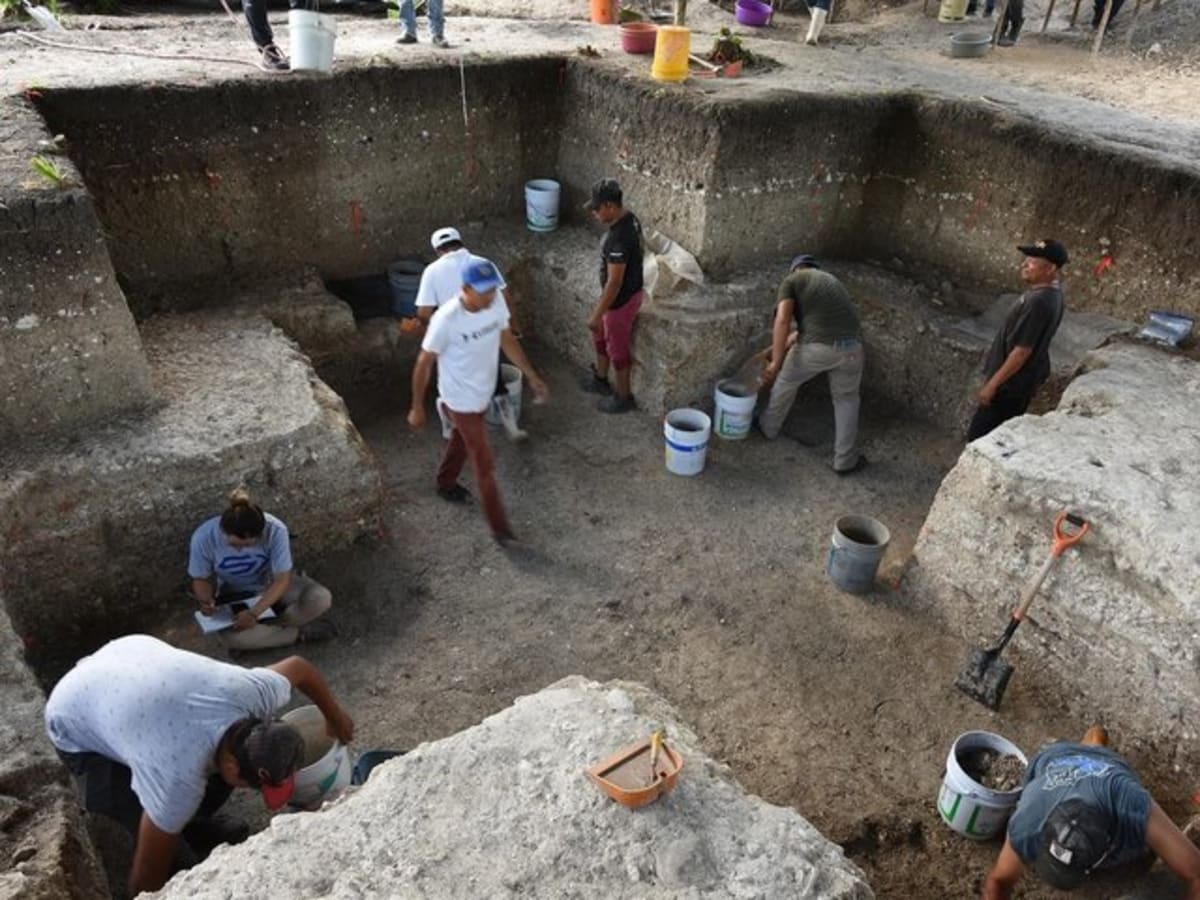
Workers breaking ground on a residential development stumbled upon a 1,400-year-old ceremonial site featuring a massive carved stone stela and decorated platforms unlike anything previously found in the region. The National Institute of Anthropology and History called the characteristics "unprecedented."
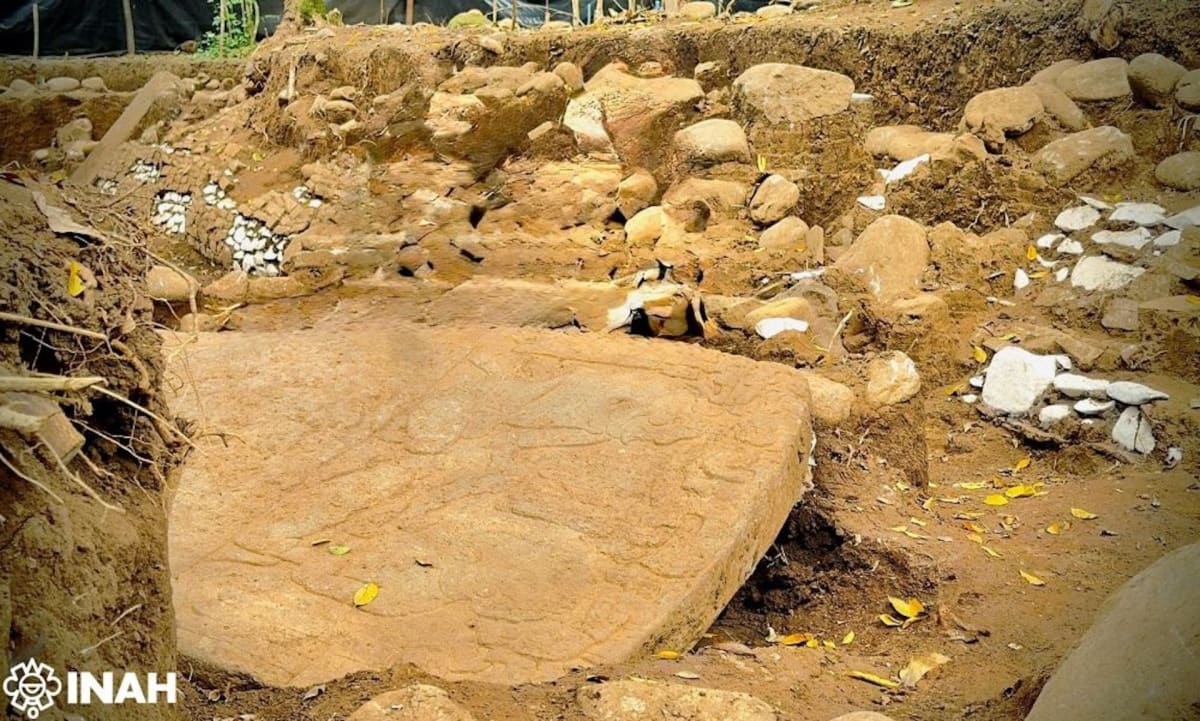
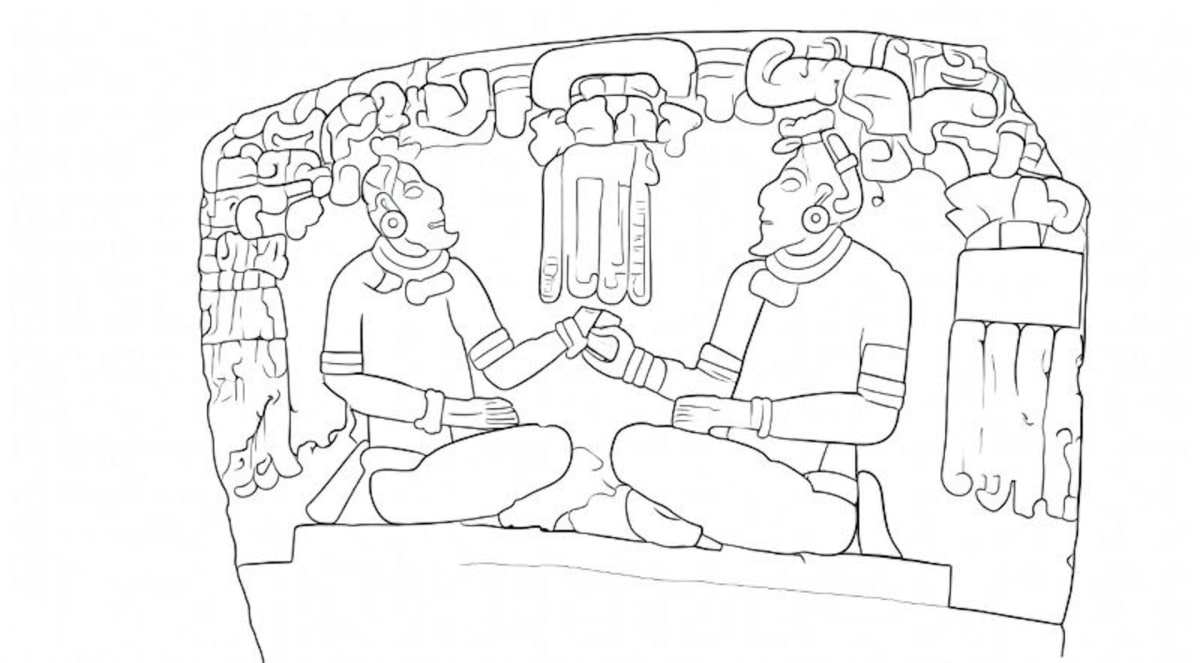
The stela stands nearly 6 feet tall and depicts two elite figures in elaborate headdresses participating in what appears to be a ritual ceremony. What makes this discovery extraordinary is the artistic style, which shows influences from Maya culture hundreds of miles away and features a composition never before documented in central Veracruz.
Archaeologist Annick Daneels explains that the carved figures display characteristics of the Isthmian style, connecting cultures from Veracruz through Guatemala. This suggests ancient trade routes and cultural exchanges were far more sophisticated than historians previously understood.
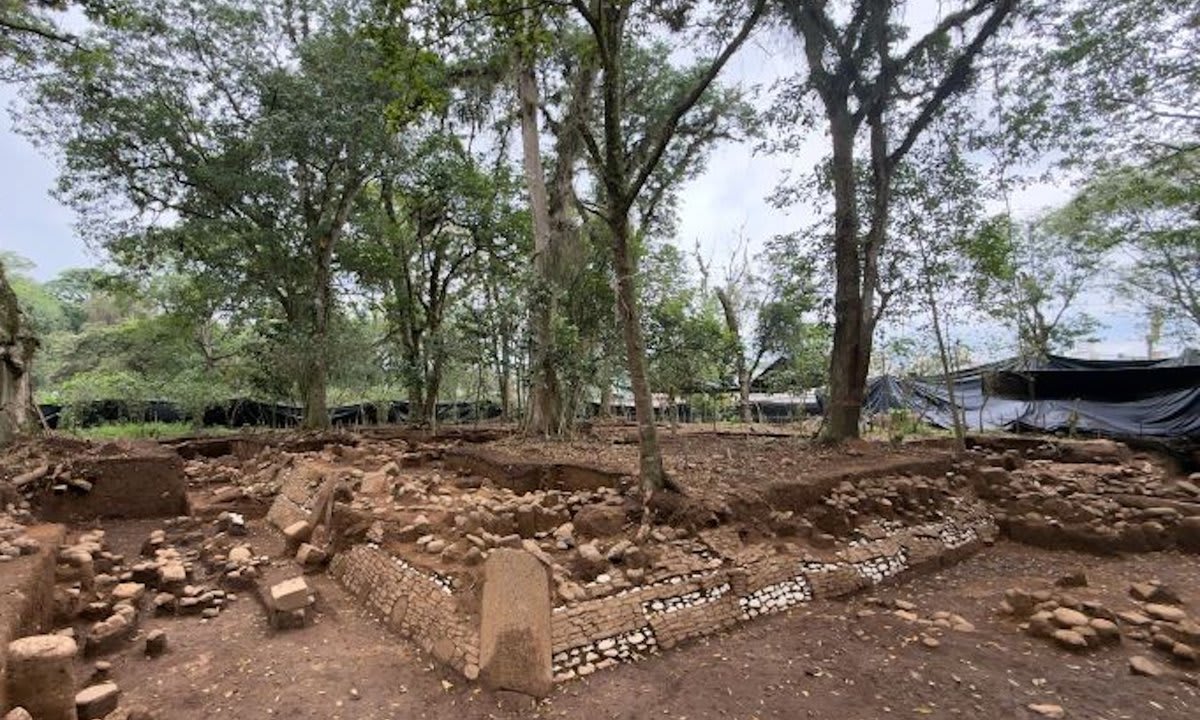
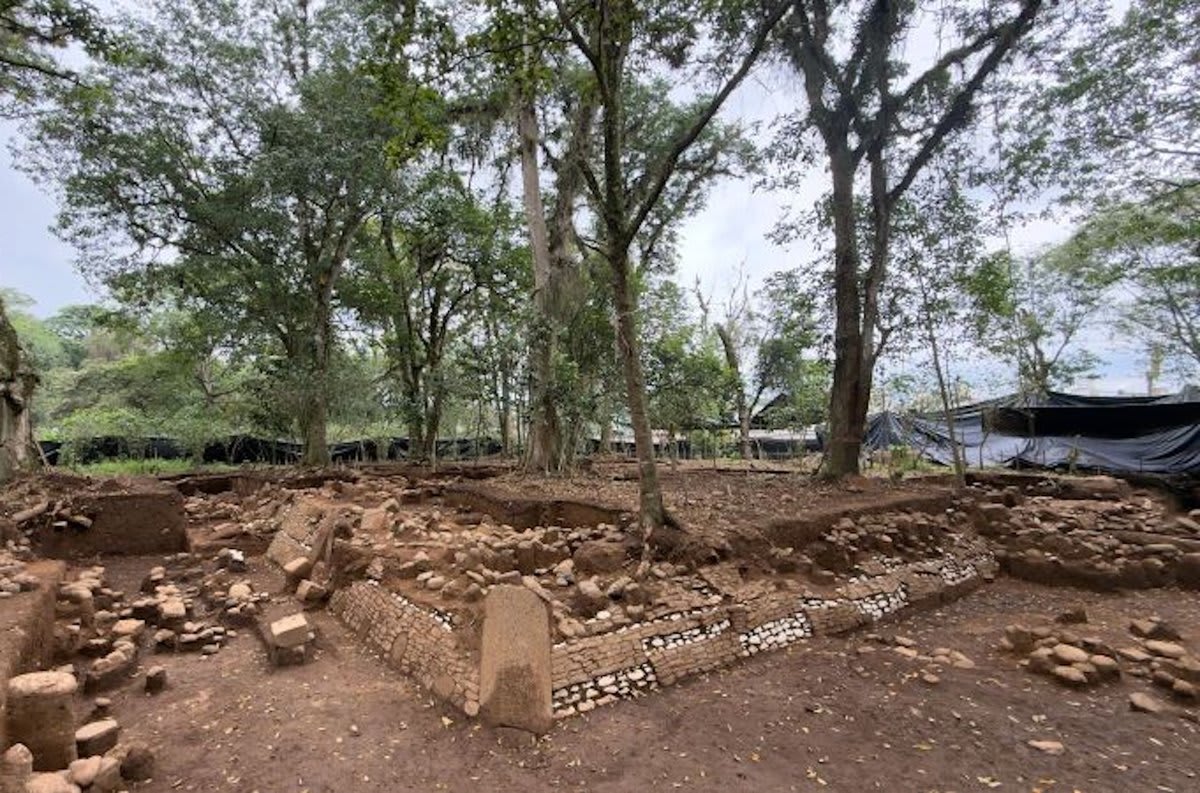
The site also revealed a 100-foot-long platform decorated with unique circular and square motifs, built with carefully dressed limestone and finished with a fired plaster-like texture. Buried beneath it, researchers found ritual offerings including pottery, charred corn, and a green stone bead.
The timing couldn't be better for Coatepec, a town designated as "magical" by Mexican tourism authorities in 2006. President Claudia Sheinbaum has already announced special funding for continued research, and local leaders hope the discovery will boost tourism alongside the possible opening of nearby Campo Viejo, a related archaeological site discovered in 1972.
The Ripple Effect
This discovery does more than add artifacts to museums. It fundamentally changes how we understand ancient Mesoamerican societies and their interconnections during a crucial period when pyramid architecture and early writing systems were spreading across the region.
The find also showcases how modern development and archaeological preservation can work together. The real estate company funded the excavations and will continue construction while respecting protected areas, proving that progress doesn't have to erase the past.
Excavations will continue through August, with analysis extending into 2027, meaning more revelations likely await beneath the soil of this extraordinary site.
More Images
Based on reporting by Google: archaeological discovery
This story was written by BrightWire based on verified news reports.
Spread the positivity!
Share this good news with someone who needs it