1,400-Year-Old Zapotec Tomb Uncovered in Mexico
Workers investigating illegal digging in southern Mexico stumbled upon an exceptionally preserved tomb from 600 CE, revealing stunning murals and symbols that could reshape our understanding of Zapotec civilization. The discovery represents Mexico's most significant archaeological find in a decade.
Archaeologists responding to reports of illegal digging in Oaxaca, Mexico, uncovered something far more valuable than they expected: a 1,400-year-old tomb so well preserved it's already changing what we know about ancient Mesoamerican culture.
The sealed burial chamber, hidden beneath centuries of sediment in San Pablo Huitzo, dates back to around 600 CE during the height of Zapotec civilization. What makes this discovery remarkable isn't just its age but its condition: vibrant murals, intricate carvings, and symbolic artwork remain intact after nearly fifteen centuries underground.
Mexico's Instituto Nacional de Antropología e Historia (INAH) kept the find under wraps for months while stabilizing the delicate structure. When they finally announced it in January 2026, researchers revealed a two-room layout featuring an antechamber and main burial chamber, both covered in painted surfaces and carved stone.
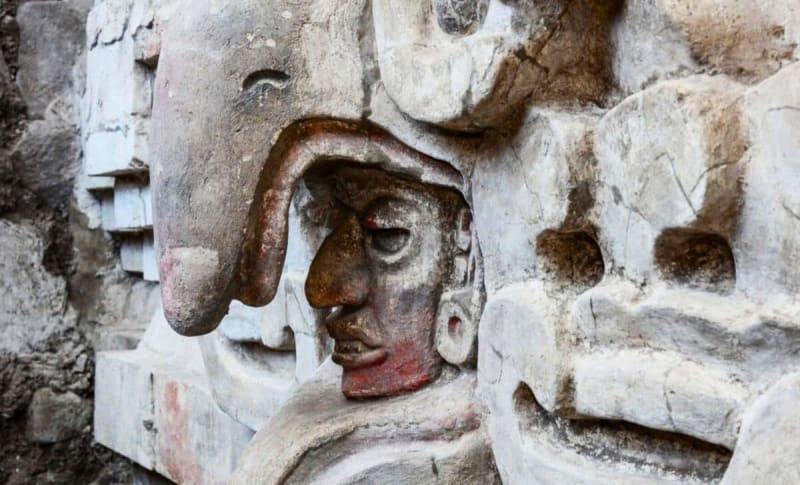
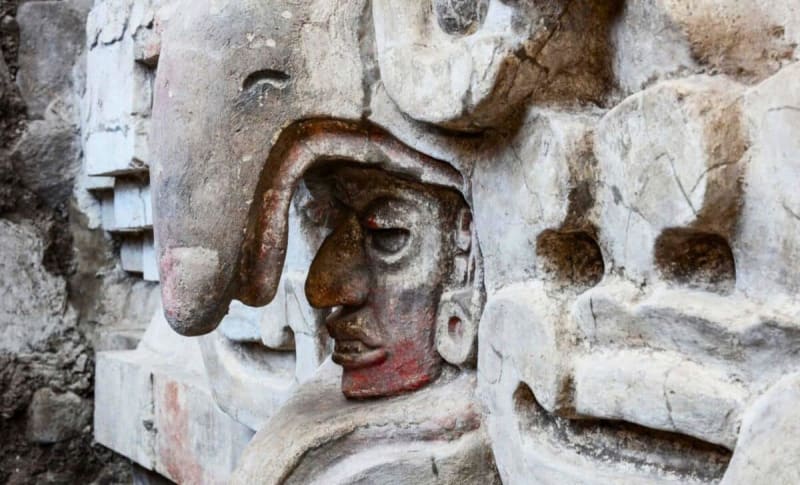
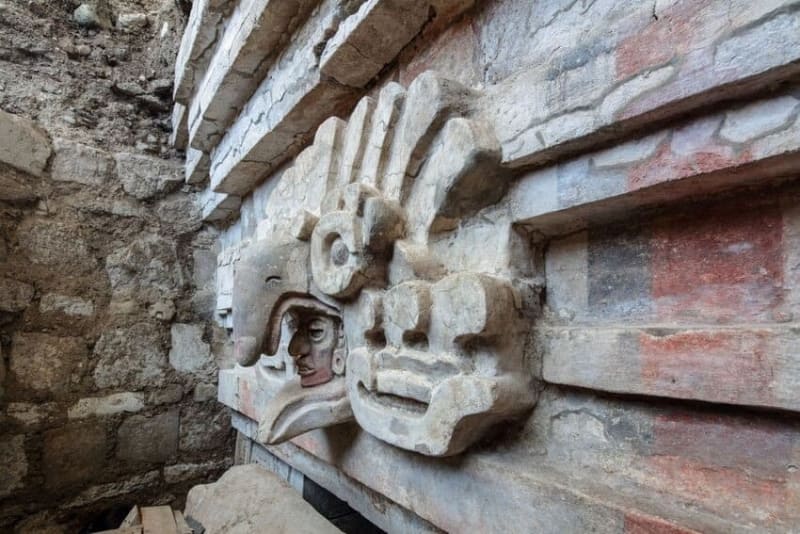
The entrance alone tells a story. A sculpted owl, symbol of death and ancestral communication in Zapotec belief, descends over a painted human face thought to represent a revered ancestor. Two guardian figures, one male and one female, stand carved into the doorway supports wearing ornate headdresses and holding ritual objects.
Inside, the walls come alive with a ritual procession. Figures walk in careful alignment, carrying bundles of copal incense in colors of ochre, red, green, and white. Above the threshold, Zapotec calendrical glyphs connect the deceased's identity to specific days and religious ceremonies.
The Zapotec people dominated the Valley of Oaxaca for over a thousand years, building ceremonial centers like Monte Albán and Mitla. This tomb fits within that tradition but introduces architectural details and symbol combinations never documented before.
The Ripple Effect
The discovery emerged from something negative turning positive. What began as investigation into cultural theft became Mexico's most important archaeological find in ten years, offering fresh insights into how the Zapotec honored their elite and understood the afterlife.
Conservation teams are now carefully analyzing ceramics, pigments, and symbols while protecting the murals from root intrusion and environmental damage. The site remains closed to the public as researchers compare these findings with other elite tombs across the region.
The tomb stands as a reminder that even in 2026, our ancient past still holds countless secrets waiting to be revealed.
More Images


Based on reporting by Google: archaeological discovery
This story was written by BrightWire based on verified news reports.
Spread the positivity!
Share this good news with someone who needs it