147-Year Seed Experiment Still Growing at Michigan State
In 1879, a botanist buried 20 bottles of seeds to answer one question: how long can they survive? Nearly 150 years later, scientists are still digging them up every 20 years, and the findings could save our future food supply.
Imagine burying a science experiment that your great-great-great-grandchildren will finish. That's exactly what botanist William James Beal did in 1879, and his groundbreaking work is still teaching us vital lessons today.
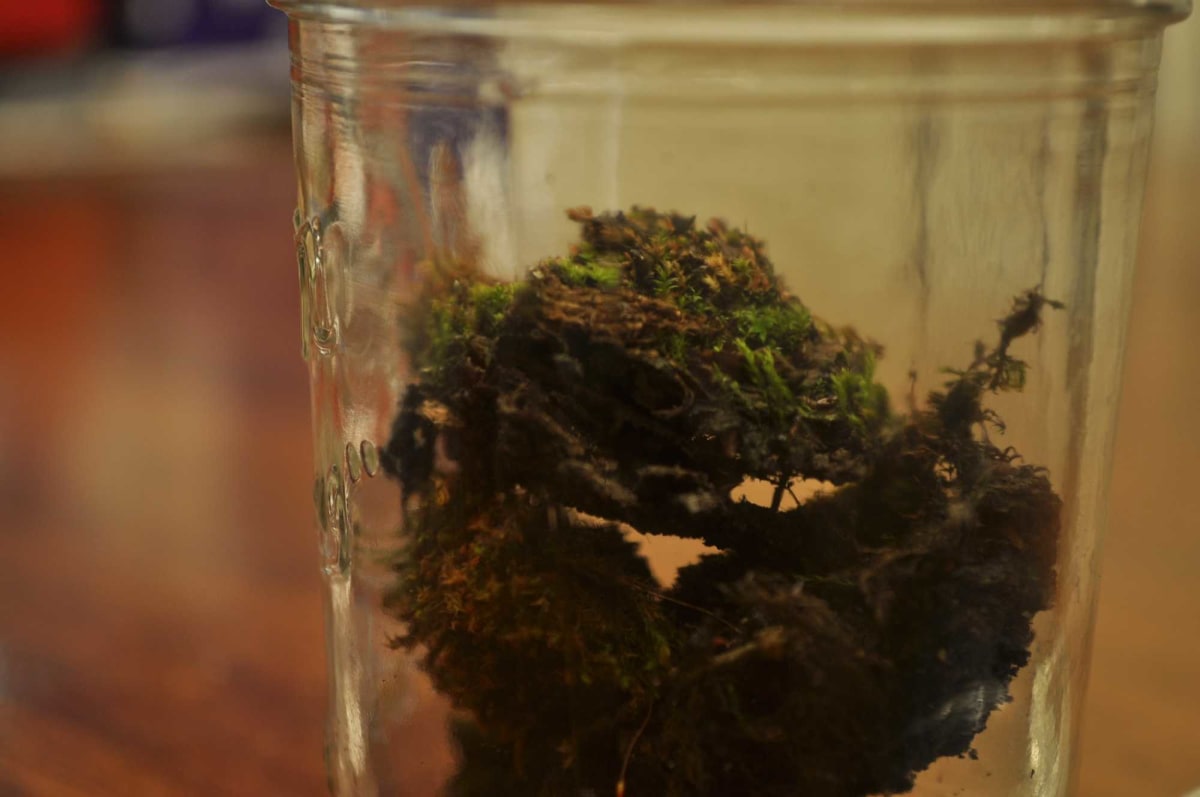
Beal wanted to know how long different seeds could survive underground. So he buried 20 glass bottles filled with over 1,000 seeds each, mixed with sand and positioned to let in just enough moisture without drowning the seeds.
His plan was simple but ambitious: dig up one bottle every five years and test if the seeds could still sprout. After Beal retired in 1910, the experiment passed to other scientists who extended the timeline first to 10 years, then to 20.
Today, researchers at Michigan State University are the proud stewards of one of the longest-running experiments in scientific history. They dug up the most recent bottle in 2021, venturing out in the dead of night to avoid exposing the seeds to sunlight that could skew results.
The toughest survivors? Weeds, unsurprisingly. But the real magic happens when seeds don't sprout right away.
Scientists don't give up on dormant seeds. They try shocking them with extreme cold to simulate winter, exposing them to fire smoke, and testing other innovative techniques to coax them back to life. Some seeds might just be waiting for the right conditions we haven't discovered yet.
The Ripple Effect
This quirky experiment matters more than ever as our planet heats up. Understanding what makes seeds resilient helps scientists create crops that can survive changing climates and extreme weather. The research provides crucial insights for seed banks worldwide, which protect us against catastrophic crop failures and global food crises.
Knowing how to extend seed life and revive dormant seeds could literally save lives when traditional crops fail. As temperatures rise and weather patterns shift, the genetic secrets locked in Beal's bottles become increasingly valuable for engineering tomorrow's food supply.
The next dig is scheduled for around 2040, with only a few bottles remaining underground. The final bottle won't see daylight until approximately 2100, making each excavation a once-in-a-lifetime scientific opportunity.
What started as one botanist's curiosity has become a gift that keeps on giving across three centuries of discovery.
More Images



Based on reporting by Upworthy
This story was written by BrightWire based on verified news reports.
Spread the positivity!
Share this good news with someone who needs it