15-Minute VR Eye Test May Detect Alzheimer's Early
A virtual reality eye exam that takes just 15 minutes could help doctors spot brain changes linked to Alzheimer's disease up to 12 years before symptoms appear. The technology is now being tested in senior living communities, bringing advanced neurological screening right to where people live.
📺 Watch the full story above
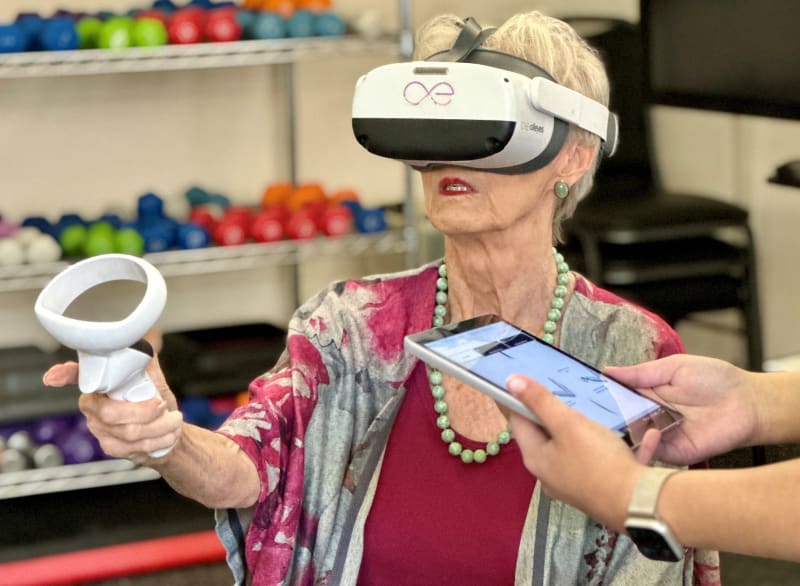
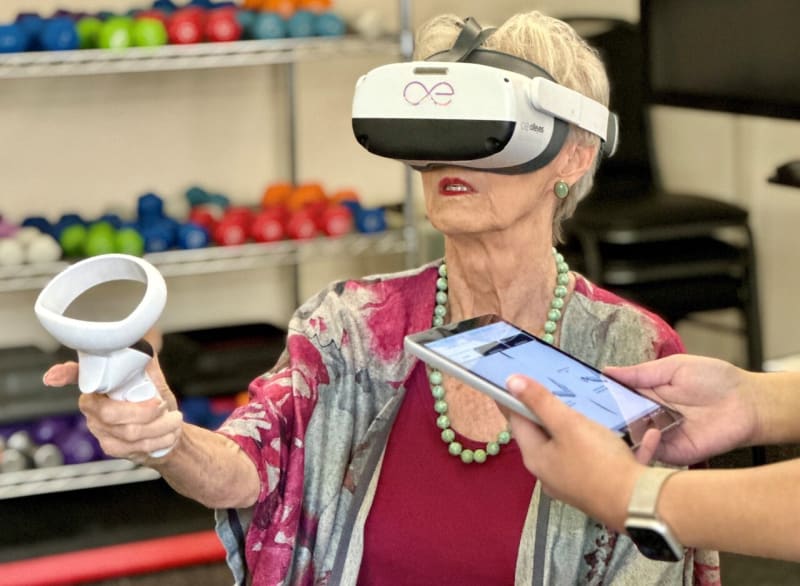
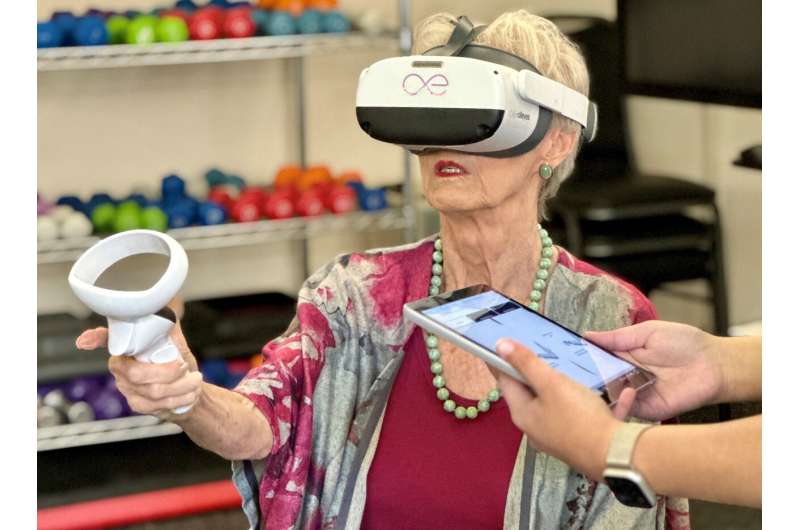
Bonnie Dale slips on a VR headset in her senior living community's recreation room, and within minutes, she's not just checking her eyesight but potentially screening for Alzheimer's disease years before symptoms would normally appear.
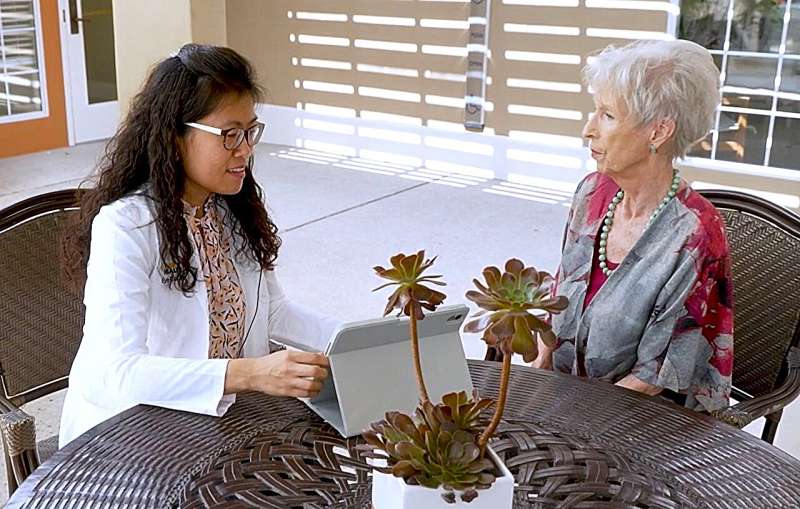
The retired health care consultant is part of a groundbreaking pilot program led by Dr. Yin Allison Liu, a neuro-ophthalmologist at UC Davis Eye Center. Liu is bringing virtual eye exams directly to senior communities while researching whether these tests could identify neurological conditions before people even notice changes.
The science behind this approach is remarkable. Research shows that visual processing changes occur 10 to 12 years before a formal Alzheimer's diagnosis, and since the eye is part of the central nervous system, doctors can detect brain changes through specialized eye testing.
During the 15-minute exam, a virtual assistant named Annie guides users through tests measuring visual acuity, color and shape recognition, and pupil response to light. The results automatically transmit to their doctor, eliminating the need for office visits.
The device, called Olleyes, was co-founded by neuro-ophthalmologist Alberto Gonzalez-Garcia to make eye care more accessible using artificial intelligence and virtual reality. Liu worked with the company to customize the program for her research, tracking not just vision changes but also hearing issues and difficulty following simple instructions, all potential indicators of cognitive decline.
"Being able to have the tests done, absent being at the Eye Center, but having the results go right to the doctor, is wonderful for the aging community," Dale said after completing her exam.
The technology doesn't diagnose Alzheimer's or other neurological conditions directly. Instead, it screens for vision changes and visual processing issues that can indicate cognitive dysfunction, giving doctors another tool for early detection.
The Ripple Effect
The timing couldn't be more critical. An estimated 6.7 million older adults currently have Alzheimer's disease in the United States, and that number is expected to nearly double to 14 million by 2060.
Early detection means earlier intervention, which could slow disease progression and help families plan better care. The technology also removes barriers like transportation and mobility issues that often prevent seniors from getting regular eye exams and neurological screenings.
Gonzalez-Garcia envisions eventually integrating full cognitive testing modules into the VR platform, delivering standardized assessments through an AI assistant that ensures consistent evaluation for everyone. What currently requires a trained professional, paper, and pencil could become as simple as putting on a headset.
For residents like Dale, the innovation represents more than convenient testing; it's hope that technology can catch brain changes early enough to make a real difference in treatment and quality of life.
More Images

Based on reporting by Medical Xpress
This story was written by BrightWire based on verified news reports.
Spread the positivity!
Share this good news with someone who needs it