3D-Printed Sea Lion Models Save Real Animals From Toxic Algae
Engineers at UNLV created lifelike 3D-printed sea lion pelvis models that let vets practice blood draws without using sick animals or cadavers. The innovation is helping save sea lions suffering from toxic algae blooms along California's coast.
📺 Watch the full story above
When toxic algae blooms strike California's coastline, hundreds of sick sea lions wash ashore needing immediate medical care. Now, a breakthrough from UNLV engineers is giving veterinarians a better way to train for these life-saving moments.
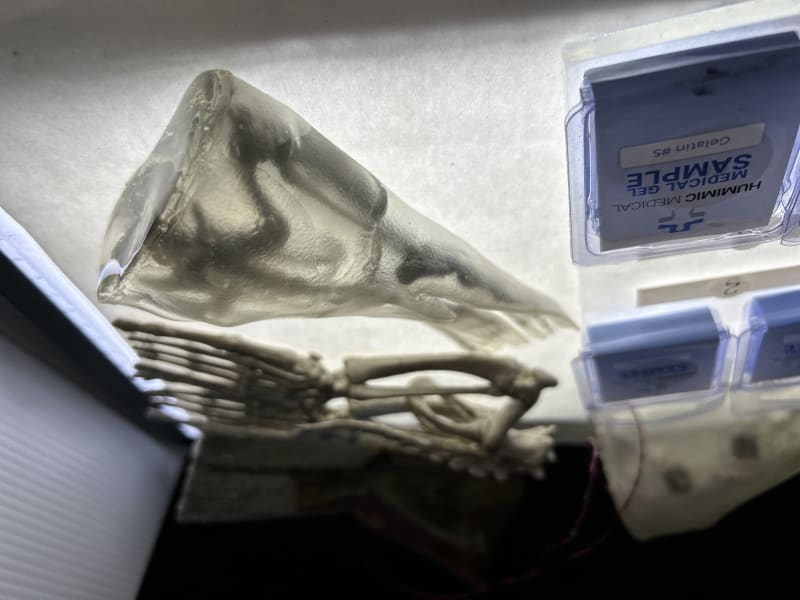
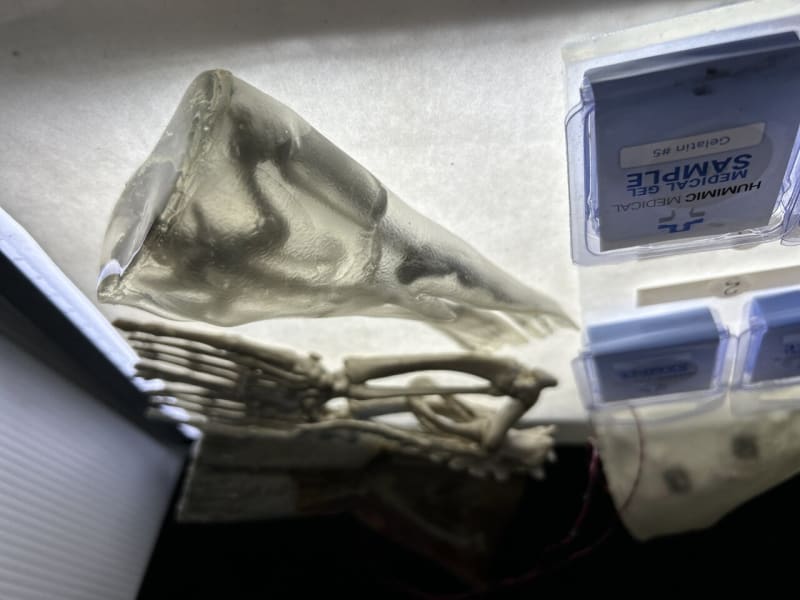
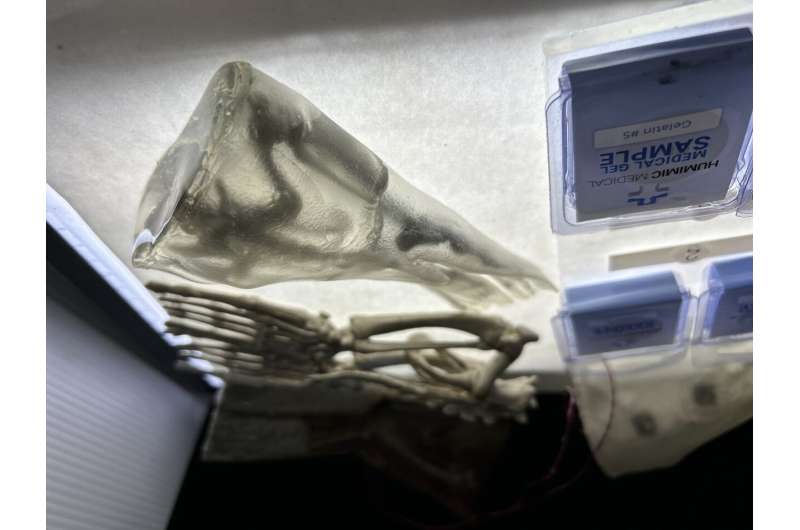
Researchers have created 3D-printed sea lion pelvic models that look, feel, and even simulate blood flow just like the real thing. These synthetic models let medical professionals practice critical blood collection procedures without using sick animals or cadavers.
"The sky is the limit with this project," said Daniel Fisher, the study's lead author and UNLV graduate researcher. The team used detailed medical scans to recreate the exact internal structure and feel of a sea lion's pelvis, where vets typically draw blood.
The models are made from smart materials that respond to touch and pressure just like living tissue would. Trainees can learn exactly how far to insert a needle and feel the realistic response they'd encounter with an actual sea lion patient.
Professor Kwang Kim, one of the world's leading soft robotics researchers, co-authored the study published in Scientific Reports. His lab specializes in creating flexible, lifelike materials that stretch and respond like real muscles and organs.
The technology goes far beyond sea lions. Fisher believes they can now 3D print any vein or arterial structure in the body using the same process, opening doors for surgical training across species.
The Ripple Effect
What started as a solution for beached sea lions could transform medical training worldwide. Surgeons and veterinarians can now practice complex procedures on anatomically perfect models instead of relying on outdated methods or scarce cadavers.
The UNLV team is already expanding their work, testing how these soft robotic materials interact with water for future advancements. Fisher's ultimate goal is creating biocompatible artificial muscles that could restore hand function in people with disabilities.
For now, the immediate winners are the sea lions. As toxic algae blooms become more frequent, veterinarians will be better prepared to treat these marine mammals quickly and effectively.
"Having an authentic structure to train with is a unique opportunity with boundless potential," Kim said. The research proves that innovations designed to help animals can pave the way for breakthroughs that benefit humans too.
More Images
Based on reporting by Phys.org
This story was written by BrightWire based on verified news reports.
Spread the positivity!
Share this good news with someone who needs it