15 Nations Unite to End Illegal Fishing in Historic Pact
Fifteen countries across four continents just signed a groundbreaking agreement to stop illegal fishing that traps 120,000 people in modern slavery and steals one in five fish we eat. The Mombasa Declaration promises to shine light on a $400 billion industry that's operated in shadows for too long.
When you sit down to eat fish tonight, there's a one in five chance it was caught illegally. But fifteen nations just took a major step to change that reality.
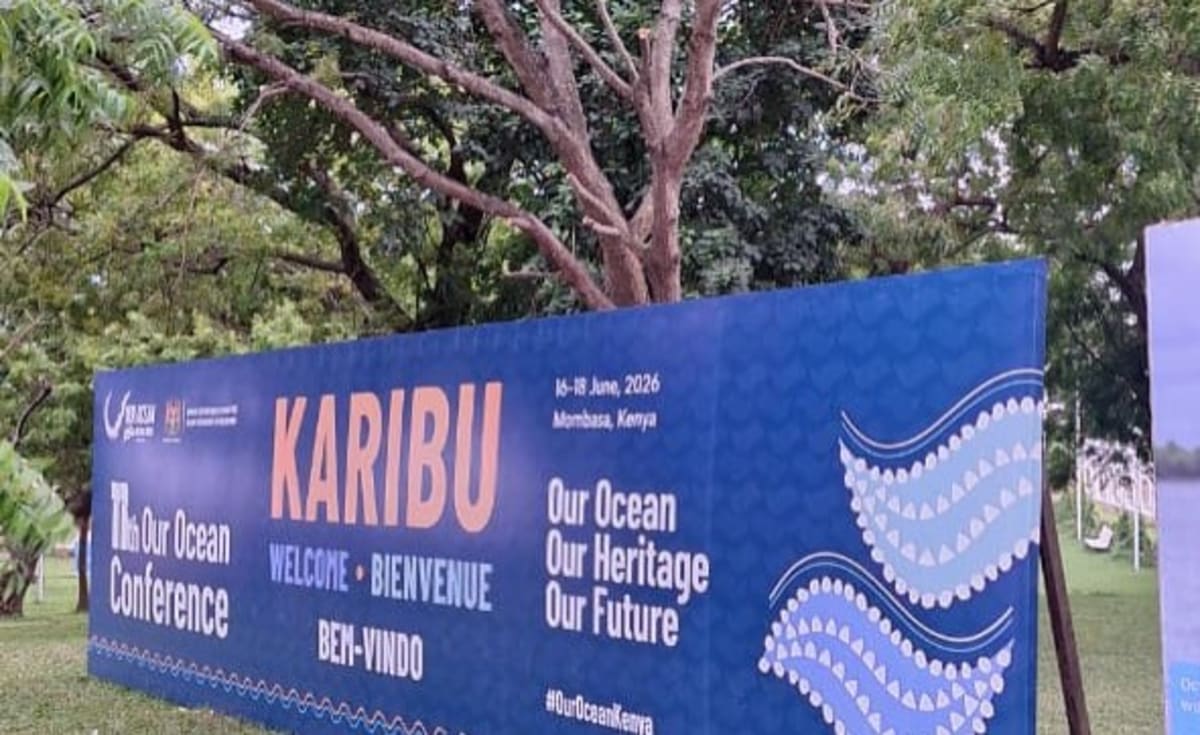
Countries from Africa, Asia, Europe, the Caribbean and the Pacific gathered in Mombasa, Kenya to sign the Mombasa Declaration on Fisheries Transparency. The agreement tackles illegal fishing that doesn't just harm oceans but fuels human trafficking and modern slavery at sea.
The statistics paint a troubling picture. More than 120,000 fishers are currently trapped in forced labor on fishing vessels. Illegal operators thrive because the global fishing industry, worth over $400 billion annually, remains one of the world's least transparent sectors.
Ghana's Fisheries Minister Emilia Arthur put it simply: "Without knowing who is fishing and how, we cannot stop illegal fishing or the crimes linked to it."
The declaration commits signatories including Belgium, Cameroon, Chile, Ghana, Liberia, Panama, Peru, Somalia and South Korea to share vessel information, improve data access and strengthen cooperation. Countries will track who owns fishing boats, who gets licenses and where vessels operate.
For Ghana, the stakes couldn't be higher. Over 60% of the country's animal protein comes from fish, and 10% of its population depends on fishing for their livelihood. Arthur noted that illegal operators are "highly coordinated and highly resourced," making transparency essential to level the playing field.
Ghana has already started implementing changes, incorporating transparency principles into its new Fisheries and Aquaculture Act 2025. The country now publishes fishing licenses and ownership information, making it harder for illegal operators to hide.
The Ripple Effect
This agreement reaches far beyond the fifteen countries who signed. Millions of coastal families depend on healthy fish populations for food and income. When illegal fishing depletes stocks, these communities suffer first and hardest.
The transparency measures also protect the ocean itself. By tracking vessels and sharing data across borders, countries can better safeguard marine ecosystems that provide food security for the planet.
The declaration supporters say closing information gaps will help catch illegal operators who've evaded detection for years. Better monitoring systems and regional cooperation mean countries can finally work together instead of facing ocean crime alone.
Organizers are already campaigning to bring more nations into the agreement before the next Our Ocean Conference in 2027. Each new signatory strengthens the network and makes it harder for illegal fishing to find places to hide.
As Arthur emphasized, "We are not doing transparency for its own sake. We are doing it to achieve better social and environmental outcomes." Fifteen countries just proved that protecting our oceans and the people who depend on them starts with shining light into dark corners.
Based on reporting by AllAfrica - Environment
This story was written by BrightWire based on verified news reports.
Spread the positivity!
Share this good news with someone who needs it