
15 States Now Ban 'Gas Station Heroin' to Protect Communities
Connecticut just became the 15th state to ban tianeptine, a dangerous substance sold at convenience stores that's more potent than morphine. The nationwide crackdown protects communities from a drug falsely marketed as safe.
States across America are taking decisive action to protect their residents from a dangerous substance deceptively sold alongside everyday products at gas stations and convenience stores.
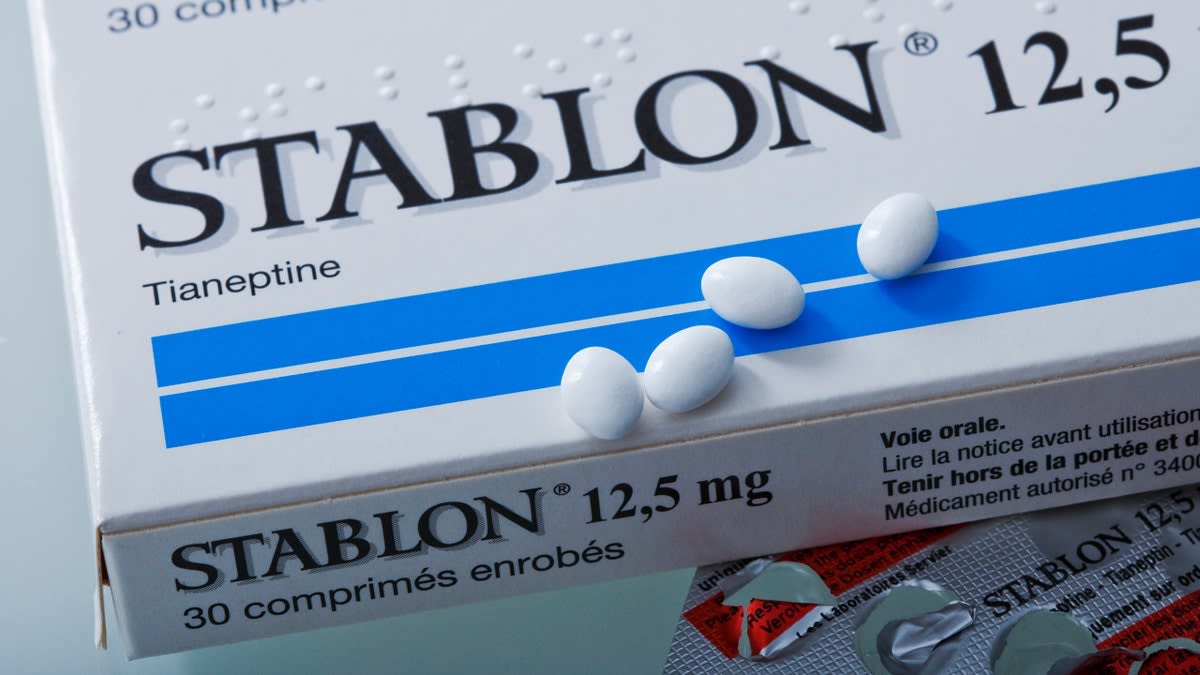
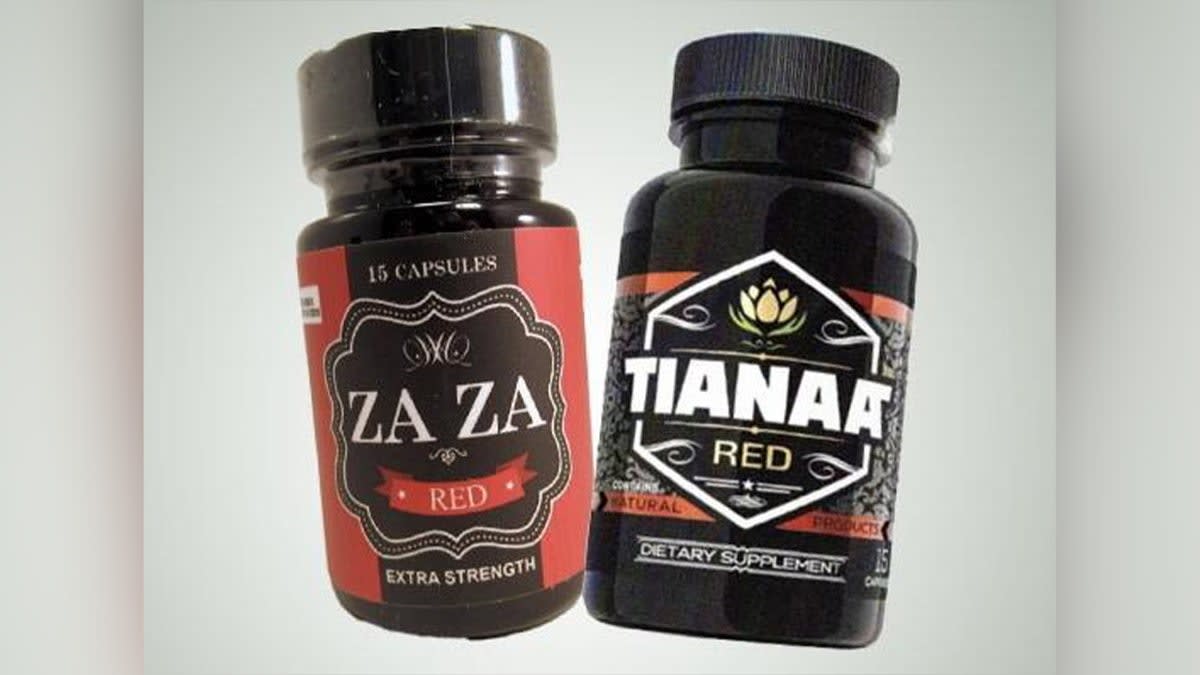
Connecticut this week became the 15th state to ban tianeptine, joining a growing nationwide effort to remove the addictive drug from store shelves. The substance, often marketed under friendly names like Tianaa and ZaZa, has been falsely advertised as a safe remedy for pain, anxiety, and depression.
The truth is far more alarming. According to the U.S. Food and Drug Administration, tianeptine can be more potent than morphine and carries serious risks including respiratory failure and death. Unlike approved medications, this drug slipped through regulatory gaps and ended up next to candy bars and energy drinks.
Connecticut Lieutenant Governor Susan Bysiewicz highlighted why quick action was essential. The products came in candy-like flavors and carried misleading labels that convinced consumers they were safe, posing particular danger to young people and those battling addiction.
Dr. Robert Schwaner from Stony Brook Emergency Medicine explained that the drug acts on the same brain receptors as heroin. At high doses, it can shut down breathing and cause cardiac arrest. The FDA never approved tianeptine as a dietary supplement, yet companies exploited loopholes to sell it freely.
The Ripple Effect
The state-by-state bans represent grassroots protection in action. Fourteen other states already classified tianeptine as a Schedule I controlled substance before Connecticut's move this week. FDA Commissioner Martin Makary recently wrote a public letter calling it a "dangerous and growing health trend," specifically warning parents about risks to young Americans.
Each new ban means fewer families will face the devastating consequences of addiction from a drug they thought was safe. Connecticut also added six other dangerous substances to its controlled list, including kratom compounds and synthetic opioids called nitazenes.
Medical professionals support national regulation given the substance's addictive properties. Dr. Schwaner noted that like other opioids, tianeptine causes tolerance, dependence, and withdrawal. Users who start seeking euphoria can quickly spiral into life-threatening addiction.
The progress shows how responsive government can be when communities sound the alarm. From local emergency rooms to state capitols, people recognized the threat and demanded action.
Fifteen states down, and the momentum for protecting Americans from deceptive and dangerous products continues building nationwide.
More Images


Based on reporting by Fox News Health
This story was written by BrightWire based on verified news reports.
Spread the positivity!
Share this good news with someone who needs it