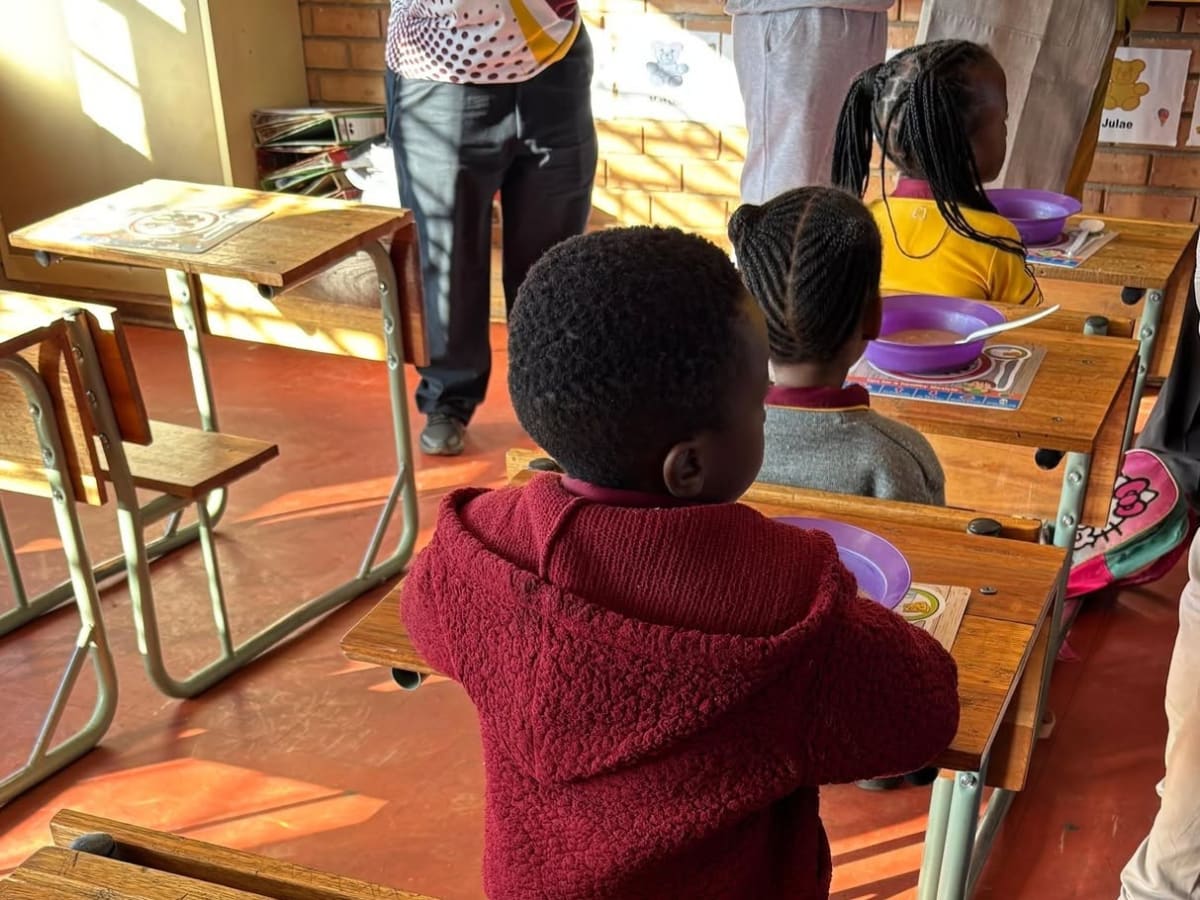
15 Years: Tiger Brands Feeds 9 Million SA Kids Daily
For 15 years, the Tiger Brands Foundation has served nutritious breakfasts to South Africa's most vulnerable students, proving that school meals aren't charity but essential infrastructure for learning. Their milestone shows how consistent nutrition transforms empty stomachs into engaged minds ready to learn.
A hungry child cannot focus on fractions, master reading comprehension, or dream about their future. For 15 years, the Tiger Brands Foundation has understood this simple truth and acted on it every single school day across South Africa.
The foundation celebrated a major milestone this July, marking 15 consecutive years of delivering daily nutritious breakfasts to vulnerable learners. With over 8.2 million children enrolled in South African public primary schools this year, the need has never been greater.
"We often talk about hunger as if it is only about an empty stomach," said Kefiloe Mokoena, Programme Lead at the Tiger Brands Foundation. "But in a classroom, hunger shows up as a child who cannot read, cannot focus, or cannot stay engaged."
The numbers tell a compelling story. Research from the Department of Basic Education shows that hunger directly undermines attendance, concentration, and academic performance. Children who arrive at school without eating simply cannot participate fully in their education, setting them back not just for one day but for their entire future.
The foundation's approach differs fundamentally from emergency food relief. While food hampers help families survive crises, they cannot replace the stability and dignity that structured school nutrition provides. A child needs to know that every day, without fail, a meal waits for them at school.
The Ripple Effect
This 15-year commitment demonstrates what real impact looks like. When children receive consistent nutrition, they attend school more regularly, perform better academically, and stay in the education system longer. Those outcomes translate directly into future employability and economic participation.
"When we feed a learner, we are not incurring a cost," Mokoena explained. "We are making an investment. Nutrition today becomes employability tomorrow."
The foundation has learned that three factors determine success: consistency, quality, and partnership. The meal must arrive every day, on time, prepared safely, and served with dignity. That reliability builds trust with learners, parents, and school communities.
Partnerships with government, civil society, local suppliers, and schools have allowed the program to scale while maintaining quality. The foundation complements South Africa's National School Nutrition Programme, strengthening rather than replacing government efforts.
With rising food prices, climate shocks, and deepening inequality threatening household food security, strengthening school nutrition systems has become more urgent. The foundation calls it what it is: not a food issue, but an education, development, and social justice issue rolled into one.
After 15 years, the evidence is clear. Sustainable school nutrition represents one of South Africa's most powerful tools to break cycles of hunger, improve education outcomes, and build a more equitable society.
More Images




Based on reporting by Google News - Education Milestone
This story was written by BrightWire based on verified news reports.
Spread the positivity!
Share this good news with someone who needs it

%2Ffile%2Fattachments%2F2995%2Fnelsons-main_547330.jpg)
