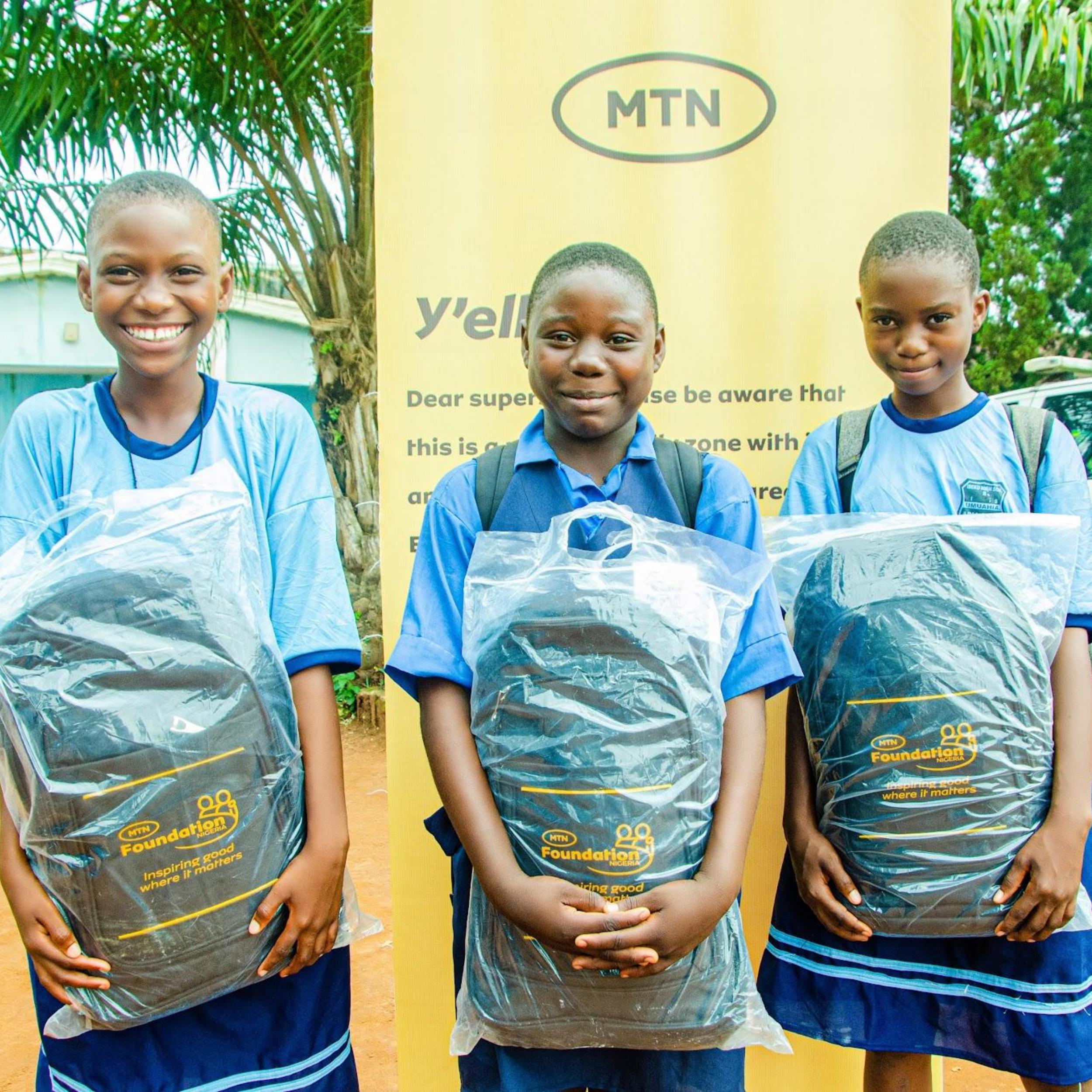
150 Girls in Abuja Get 6 Months of Menstrual Health Care
Girls at a displacement camp in Nigeria just received six months of sanitary supplies and health education that will help them stay in school. The program also taught boys to support their peers without stigma.
One hundred fifty children at an Abuja displacement camp now have the tools and knowledge to navigate puberty with dignity, thanks to a partnership between youth development organizations in Nigeria.
The Light for Less Privileged Foundation joined forces with the Al-Mustapha Foundation for Youth Development to deliver menstrual health education and supplies to children at the Wassa IDP Camp Clinic. The Saturday outreach gave 100 girls enough sanitary pads to last six months, while 50 boys learned how to support their classmates through natural body changes.
Al-Mustapha A. Mustapha, who founded the youth development organization, explained why boys were deliberately included in the program. "Boys need to understand these issues and learn to support girls without teasing, discrimination or stigma," he said. No girl should miss school or feel ashamed because she lacks basic supplies or information about her own body.
The education component covered menstruation basics, personal hygiene practices, and what to expect during puberty. For many of these children living in displacement, this may be their first formal health education on these critical topics.
The Ripple Effect
When girls have access to menstrual products and education, the benefits extend far beyond individual comfort. Studies across Africa show that girls who manage their periods with dignity attend school more regularly, participate more confidently in class, and stay in education longer. By including boys in the conversation, this program tackles the root cause of period stigma: ignorance and shame passed down through generations.
Mustapha challenged government agencies, corporations, and individuals to think beyond commemorative events like International Day of the Girl Child. "We need sustained interventions that support their health, education, safety and development," he said. One-time distributions help, but lasting change requires ongoing commitment to vulnerable children.
Three additional organizations joined the effort: Mento Missy Initiative, Pent Foundation, and Her Health Initiative. Their combined resources made it possible to reach 150 children who might otherwise go without basic health supplies and education.
Together, they're proving that small investments in dignity can open doors to education and opportunity.
Based on reporting by AllAfrica - Health
This story was written by BrightWire based on verified news reports.
Turn Today’s Good News Into Action
Generate a simple, meaningful 2-minute act of kindness you can do today and log your ripple effect.
Spread the positivity!
Share this good news with someone who needs it