150-Million-Year-Old Dinosaur Found Under Parking Lot
A paleontologist spotted a dinosaur tibia poking through sandstone just inches beneath a parking lot at Dinosaur National Monument. The 20-foot diplodocus fossil had been hiding in plain sight for nearly a century.
Construction crews were repaving a parking lot in northwestern Colorado when a paleontologist noticed something extraordinary: a dinosaur bone jutting from the sandstone.
ReBecca Hunt-Foster, the park paleontologist at Dinosaur National Monument, had suspected they might find fossils during the September excavation. The parking lot was built on debris from early 1900s dinosaur digs, so she required monitors to watch every bucket of dirt removed.
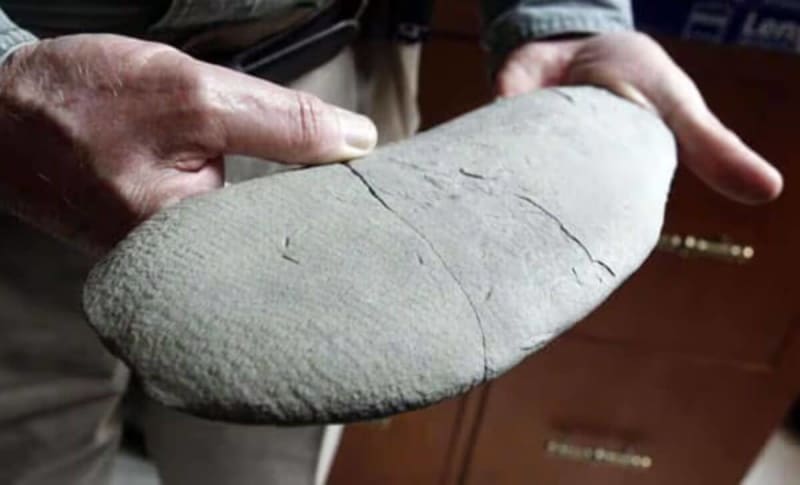
On September 16, her hunch paid off. Hunt-Foster spotted a tibia in cross-section, embedded in the same 12-foot sandstone layer that preserved the monument's famous Quarry Wall.
Construction stopped immediately. Over the following weeks, park staff and volunteers carefully removed 3,000 pounds of rock and fossils, uncovering 14 tail vertebrae, arm bones, leg bones, and "a few toes."
The bones belong to a diplodocus, a long-necked herbivore that roamed the area 150 million years ago during the late Jurassic period. So far, they've collected about 20 feet of the dinosaur, though the full animal would have stretched roughly 80 feet long.
The discovery happened just steps from where paleontologist Earl Douglass first found eight apatosaurus tail bones in 1909. That find sparked 13 years of excavations and led President Woodrow Wilson to establish Dinosaur National Monument in 1915.
The last dig in this exact spot ended in 1924. The new diplodocus had been waiting beneath asphalt and parking spaces for 99 years.
Why This Inspires
This discovery proves that wonder still hides in unexpected places. A routine construction project became a window into Earth's ancient past because people stayed curious and watchful.
Hunt-Foster and her team now walk between the newly discovered bones and the 1,500 fossils on display at the nearby Quarry Wall, comparing specimens separated by a century of science. Visitors can watch paleontologists clean and study the bones at the Utah Field House of Natural History State Park Museum.
The team found clam fossils nearby, suggesting a drought occurred when these giants died. They'll resume excavations in spring, following the dinosaur deeper into the hillside to see what else has been waiting beneath our feet.
Sometimes the most incredible discoveries happen right where we park our cars.
More Images


Based on reporting by Google: fossil discovery
This story was written by BrightWire based on verified news reports.
Spread the positivity! 🌟
Share this good news with someone who needs it