1,500 Students Help NASA Track Fall Leaves for Climate Data
Over 1,500 students across Maine and New Hampshire spent fall 2025 observing changing leaves in their schoolyards, contributing real data to NASA's climate research. Their observations now help scientists worldwide understand how ecosystems respond to our changing climate.
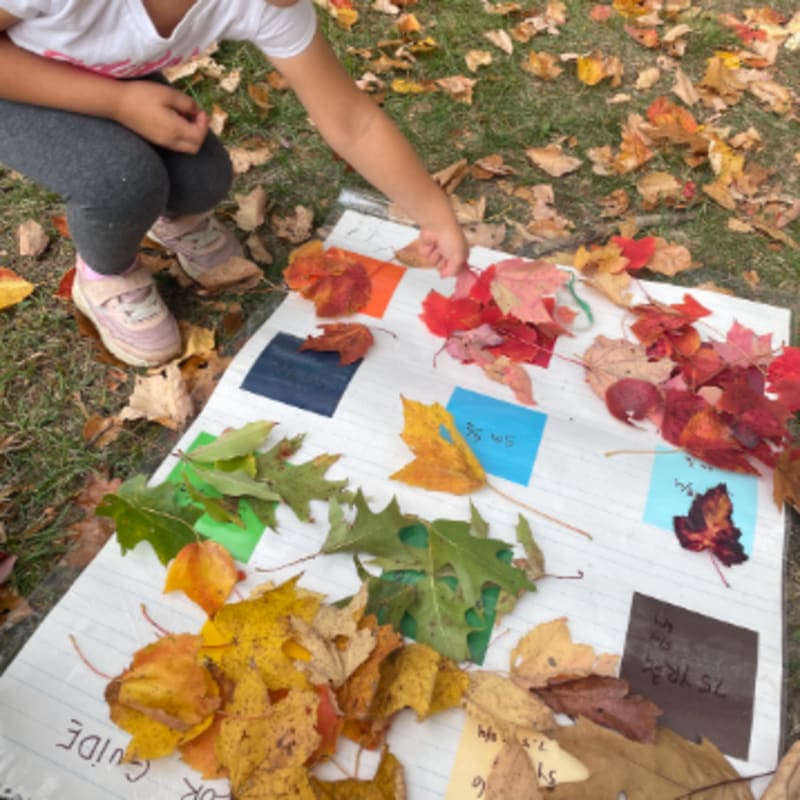
Students armed with color charts and scientific protocols turned their schoolyards into climate research stations this fall, proving that some of the most important science happens right in our own backyards.
More than 1,500 young people from Maine and New Hampshire participated in NASA's GLOBE Green Down project during fall 2025, tracking exactly when leaves changed color and fell from trees. Led by the Gulf of Maine Research Institute, the initiative transformed everyday observations into valuable scientific data used by researchers studying climate change impacts on ecosystems.
The project worked because of its elegant simplicity. Students from pre-kindergarten through high school used standardized color guides to track changes in maples, oaks, birches, and other local trees throughout autumn. They returned to the same trees repeatedly, documenting shifts in plant health as the season progressed.
In Portland, Maine alone, five elementary schools conducted observations in their own schoolyards as part of their science programs. But the impact stretched far beyond New England, with participants from Machias, Maine to British Columbia contributing observations that created a continent-wide picture of seasonal change.
Something remarkable happened as students collected data. They started asking their own research questions, just like professional scientists do. Why did some species change color faster than others? How did sunlight, drought, or wildfire smoke affect the timing? Could buildings and pavement in cities alter when leaves fall?
Teachers reported that the project strengthened more than just data skills. Students developed deeper connections to their local environments and began discussing climate change through the lens of patterns they could see and measure themselves. Real observations from their own neighborhoods suddenly made global environmental changes feel tangible and understandable.
The Ripple Effect
The GLOBE Green Down project is part of NASA's larger effort to democratize science. Through the GLOBE Observer app, anyone can contribute environmental observations that scientists around the world actually use in their research. It is citizen science at its best, turning curiosity into contribution.
The Learning Ecosystems Northeast project that hosted this season brings together educators across five states, creating networks where school teachers and community leaders share strategies for hands-on STEM learning. When students see their observations added to international datasets, they understand their role as genuine contributors to scientific knowledge, not just passive learners.
The data these students collected now sits alongside thousands of other observations in a global database that helps researchers track how climate patterns affect plant behavior across different regions and ecosystems.
A generation of young people now knows what it feels like to do real science that matters.
More Images


Based on reporting by NASA
This story was written by BrightWire based on verified news reports.
Spread the positivity!
Share this good news with someone who needs it