155 Aircraft Rescue Two Downed Airmen From Iran
When two U.S. airmen ejected over Iran after a missile strike, the military launched one of history's most complex rescue missions—and brought both home safe. Over two days, hundreds of personnel risked everything to honor one unbreakable promise: we never leave anyone behind.
When an F-15E Strike Eagle went down over Iran on April 3, the military had just hours to rescue two airmen before enemy forces could capture them. What unfolded over the next 48 hours was one of the largest combat rescue operations in U.S. history.
An Iranian shoulder-fired missile struck the aircraft in the early morning hours, forcing both crew members to eject into hostile territory. Their rescue beacons activated immediately, and within hours, 21 military aircraft launched into Iranian airspace in broad daylight to bring them home.
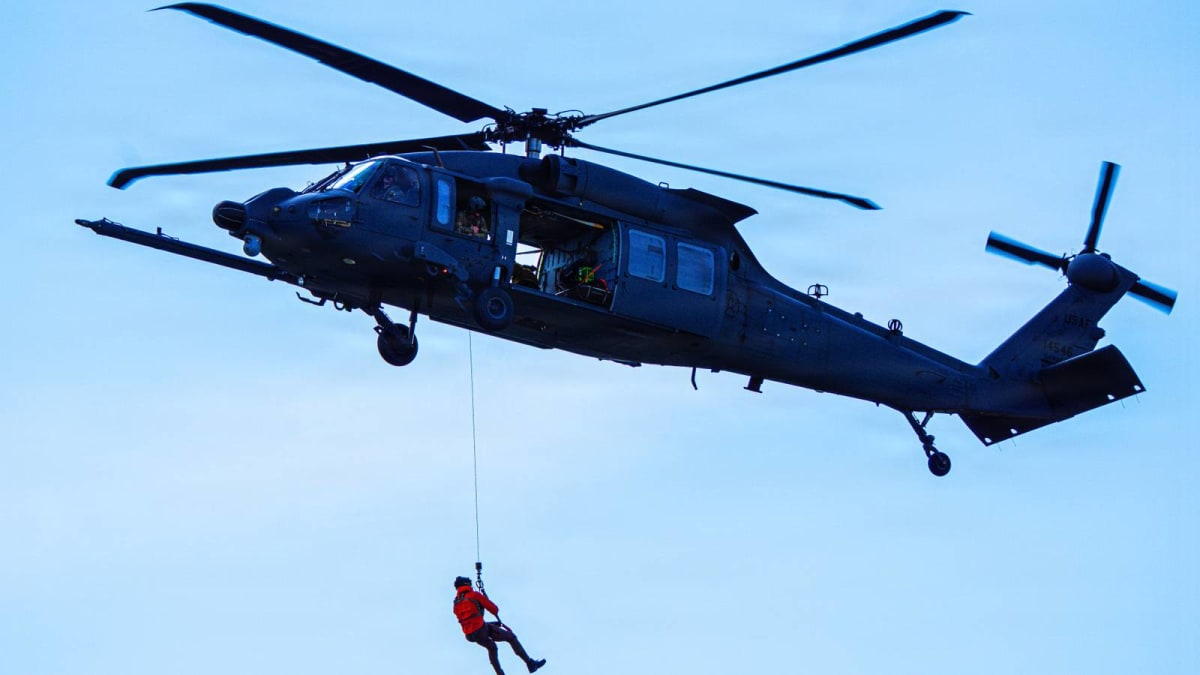
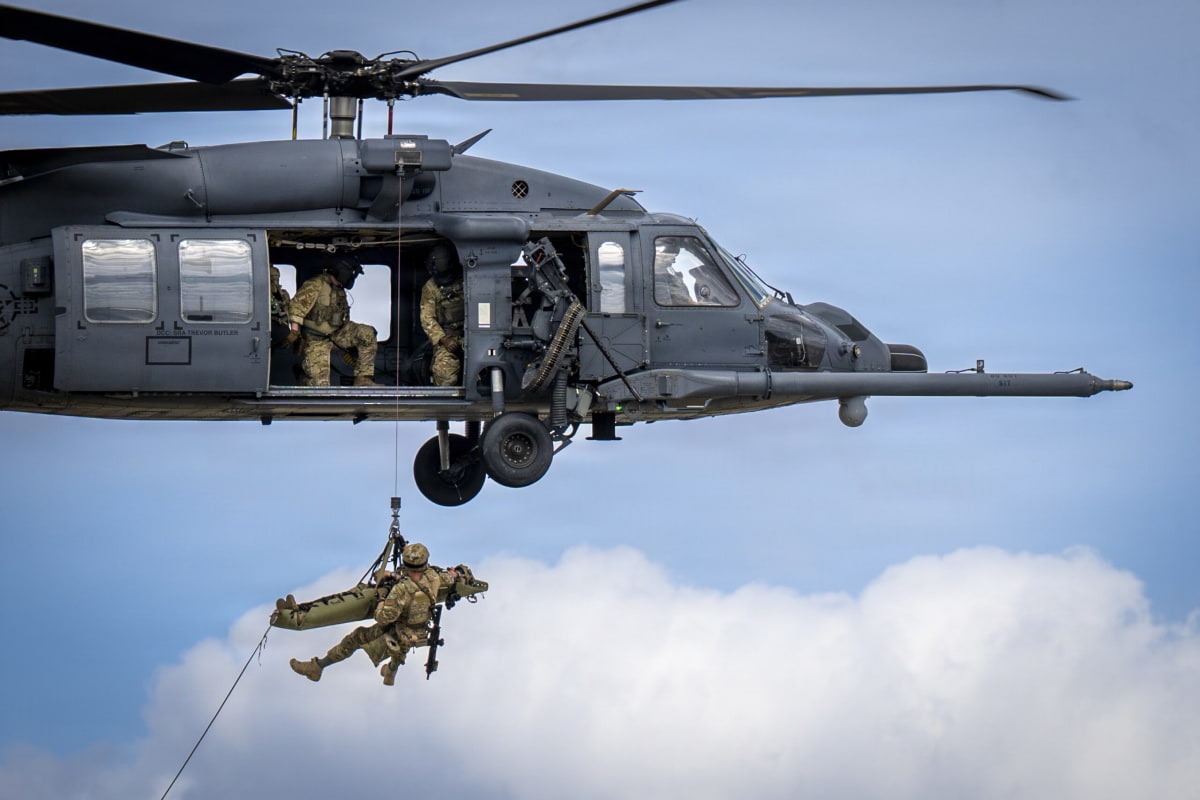
The first rescue was dangerous but swift. A-10 Warthogs laid down heavy fire to protect the pilot while HH-60W helicopters swooped in under intense gunfire to pull him to safety. One A-10 took so much damage that its pilot had to eject over Kuwait—but even that pilot made it home safely.
The second airman, a colonel and weapons system officer, faced a harder fight. He landed far from his crewmate with serious injuries in an area swarming with Iranian Revolutionary Guard forces, militia members, and local authorities hunting for him. Iran placed a bounty on his capture.
Despite bleeding heavily, the colonel climbed steep mountain terrain to reach safer ground. Once hidden, he treated his own wounds and radioed his location to American forces. The military's response was staggering.
The second wave involved 155 aircraft—four bombers, 64 fighters, 48 refueling tankers, and 13 rescue helicopters. Combat rescue officers and pararescuemen risked their lives flying low enough to take rifle fire. Several helicopters took multiple hits, and one crew member sustained minor injuries.
Why This Inspires
This mission shows what happens when a promise becomes sacred. Every branch of the military, hundreds of personnel, and the CIA worked together because the U.S. keeps one commitment above all: no one gets left behind. The risks were extraordinary, but so was the determination.
President Trump called it "one of the most harrowing combat search and rescue missions ever attempted." Chairman of the Joint Chiefs Gen. Dan Caine said it simply: "This is what they live for, and this is what they've trained for over many years."
Both airmen are now safe, a testament to courage, training, and an unshakeable promise that brings every service member home.
More Images
Based on reporting by Google: rescue saves
This story was written by BrightWire based on verified news reports.
Spread the positivity!
Share this good news with someone who needs it