158 Giant Tortoises Return to Galápagos After 180 Years
For the first time since the 1840s, giant tortoises are walking on Floreana Island in the Galápagos. Scientists brought back a species thought lost forever by finding their descendants living 100 miles away.
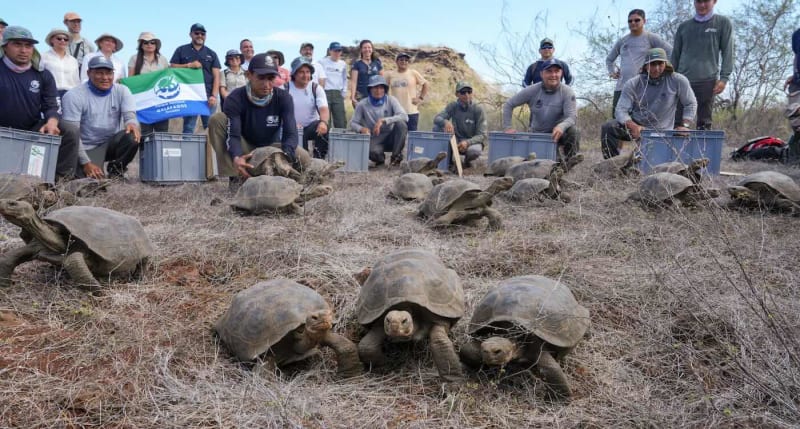
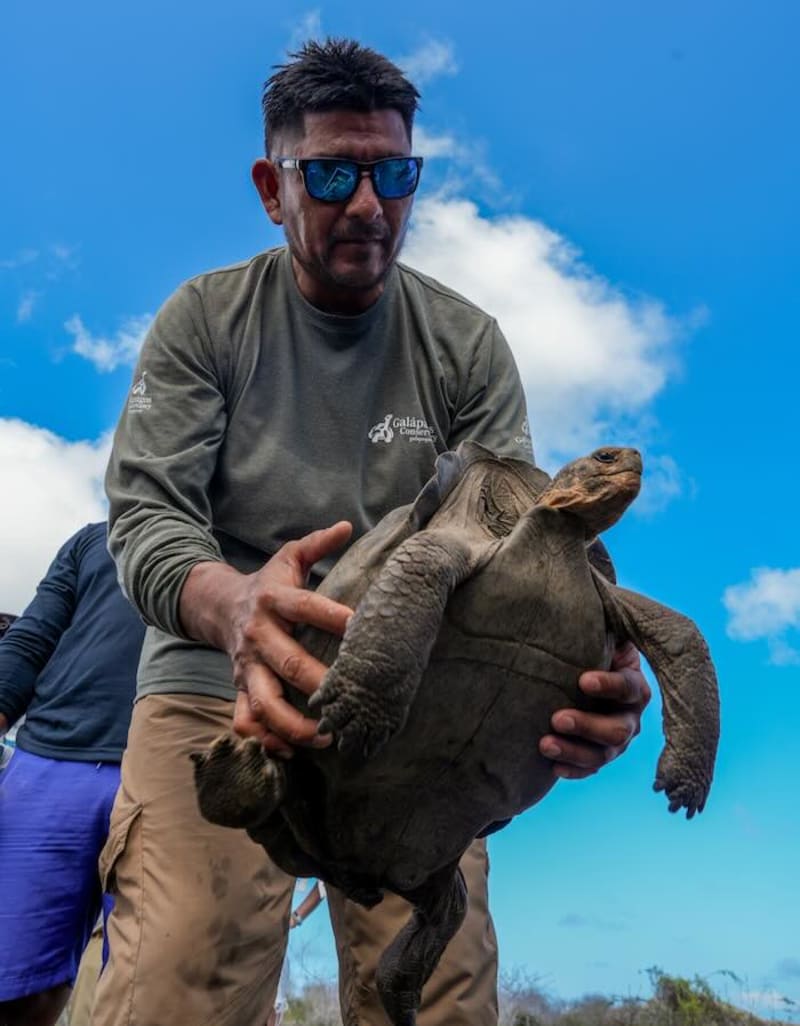
Giant tortoises are roaming Floreana Island again after vanishing for nearly two centuries. Last week, 158 juvenile tortoises stepped onto land their ancestors hadn't touched since the 1840s, marking the largest ecological restoration project in Galápagos history.
The Floreana giant tortoise went extinct in the mid-1800s, wiped out by whalers and sailors who captured them for food during long voyages. Scientists believed the lineage was gone forever until genetic testing in the early 2000s revealed something remarkable.
On Wolf Volcano, located 100 miles north on Isabela Island, researchers discovered tortoises carrying Floreana DNA. Whalers had likely dumped these animals there before setting sail, accidentally creating a living genetic archive.
Through careful breeding, scientists raised descendants that closely match the original Floreana tortoises. Now these youngsters are home, ready to rebuild an ecosystem that's been broken for 180 years.
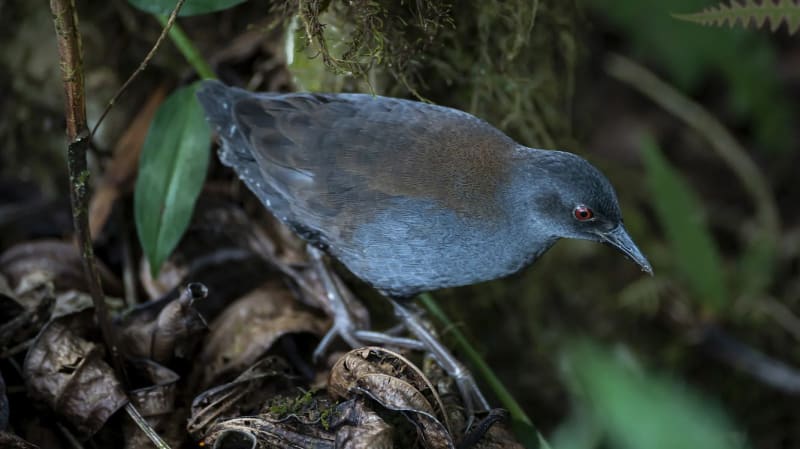
Floreana's 160 residents have championed every step of this journey. The community participated in planning workshops, supported monitoring efforts, and watched as their work led to the rediscovery of the Galápagos Rail, a rare bird not seen since Charles Darwin's visit.
"Their return shows what is possible when a community leads and many partners come together with a shared purpose," said Verónica Mora, representing Floreana residents. Tourism, agriculture, and fishing all depend on the island's health.
The Ripple Effect
These tortoises aren't just symbolic. As keystone species, they shape entire ecosystems by dispersing seeds, creating open habitats, and making wallows that other animals use.
Their presence will help native plants regenerate and create better conditions for birds, including the Floreana Mockingbird and Little Vermilion Flycatcher, which scientists hope to reintroduce next. When seabirds thrive, they drop nutrients that feed surrounding coral reefs and fisheries, connecting land and sea.
The project took 15 years of collaboration between Ecuador's Ministry of Environment, the Galápagos National Park, the Charles Darwin Foundation, Island Conservation, and Galápagos Conservancy. Partners worked through countless challenges, conducting genetic studies and raising tortoise generations with patience and precision.
Floreana now stands as a global example of how restoring nature can strengthen both ecosystems and local livelihoods. What seemed impossible in the early 2000s is now walking, eating, and reshaping an island that waited nearly two centuries for their return.
More Images


Based on reporting by Good News Network
This story was written by BrightWire based on verified news reports.
Spread the positivity!
Share this good news with someone who needs it