16 Nations Unite to End $50 Billion Illegal Fishing Crisis
Sixteen countries just signed a landmark agreement to crack down on illegal fishing that's stealing food and income from coastal communities worldwide. The solution: making the shadowy fishing industry finally transparent.
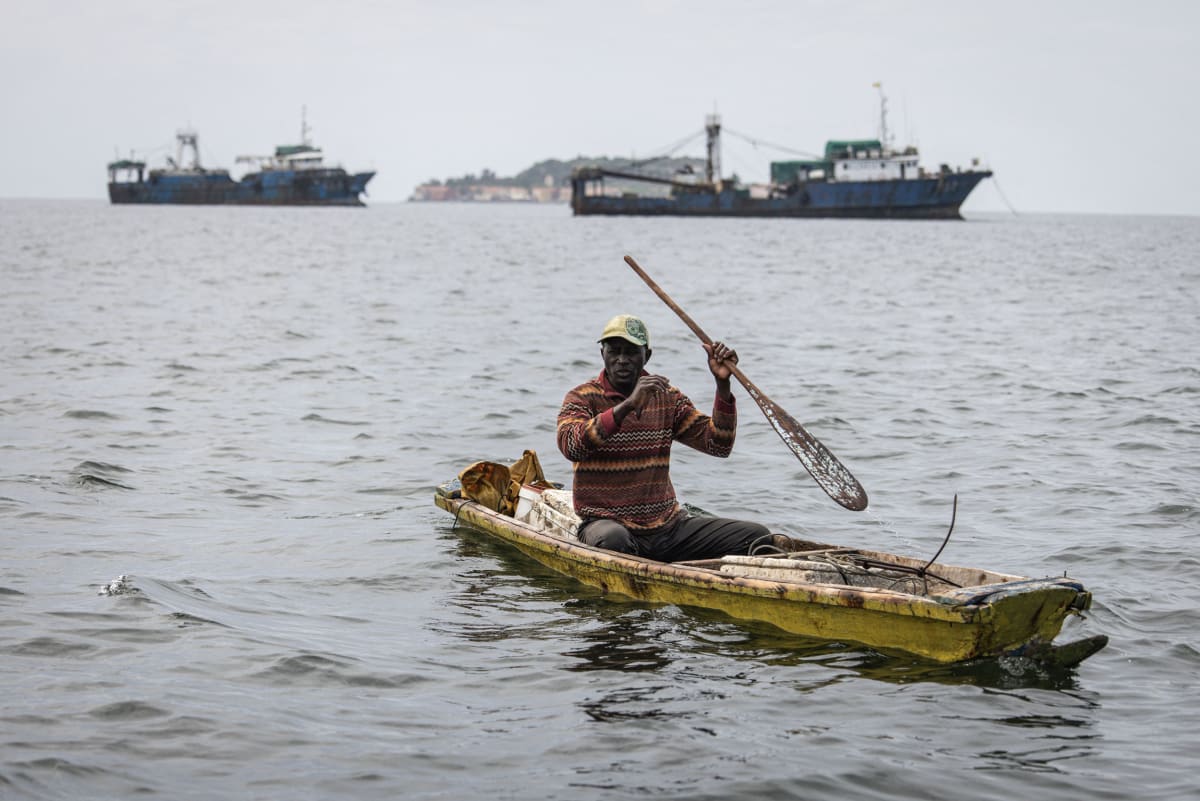
Mamadou Sarr remembers when fishermen in Senegal only needed to paddle one kilometer offshore to find sardines and cuttlefish. Today, those same fishermen must travel 100 kilometers into the Atlantic, risking their lives to find what their grandfathers caught near the beach.
The culprit? A $50 billion global crisis where illegal fishing fleets vacuum up fish stocks from unprotected waters worldwide.
But this week at the Our Ocean Conference in Kenya, sixteen countries from Africa, Asia, the Caribbean, Europe and the Pacific signed the Mombasa Declaration to finally shine a light on these ghost ships. Their weapon is simple: transparency.
"When you try to fight illegal fishing without transparency, you're literally chasing ghosts," said Amélie Giardini from the Environmental Justice Foundation. Nearly one in five fish caught globally is taken illegally because no one knows who's fishing, what they're catching, or where.
The stakes couldn't be higher for coastal communities. In Ghana, 60 percent of the country's protein comes from fish, and one in ten people works in fishing. Yet 37 percent of fish caught in West African waters are stolen by illegal operations, costing the region over $1 billion each year.
"Our very existence depends on fish," said Ghana's Fisheries Minister Emelia Arthur. She's not exaggerating. These aren't just statistics about an industry. They're stories about families who've fished for generations suddenly unable to feed themselves.
The Ripple Effect
The declaration commits countries to building a digitized global vessel registry, giving small boats unique identifiers, and tracking down the actual owners profiting from illegal catches. It's bringing the same transparency that transformed other industries to an ocean economy that's been operating in the shadows.
From Peru to Papua New Guinea, Somalia to South Korea, nations are finally working together to protect the small-scale fisheries that feed billions. The fishing industry is worth $400 billion globally, but it's remained surprisingly opaque compared to other major sectors.
Sarr puts it simply: "Transparency is something that must be part of the global credo, so that everything people do is legible." While Senegal withdrew from signing at the last minute, countries like Chile and Gabon jumped in at the eleventh hour, showing momentum is building.
For fishing communities watching their livelihoods disappear, this agreement offers something they haven't had in years: hope that someone's finally watching the watchers.
Based on reporting by Inside Climate News
This story was written by BrightWire based on verified news reports.
Spread the positivity!
Share this good news with someone who needs it