165-Million-Year-Old Octopus Fossil Rewrites Evolution
Scientists using cutting-edge X-ray technology discovered that octopuses developed their signature features millions of years earlier than anyone thought possible. The rare fossil is rewriting what we know about ocean life.
Finding a fossilized octopus is like winning the paleontology lottery, and scientists just hit the jackpot with new insights from a 165-million-year-old specimen.
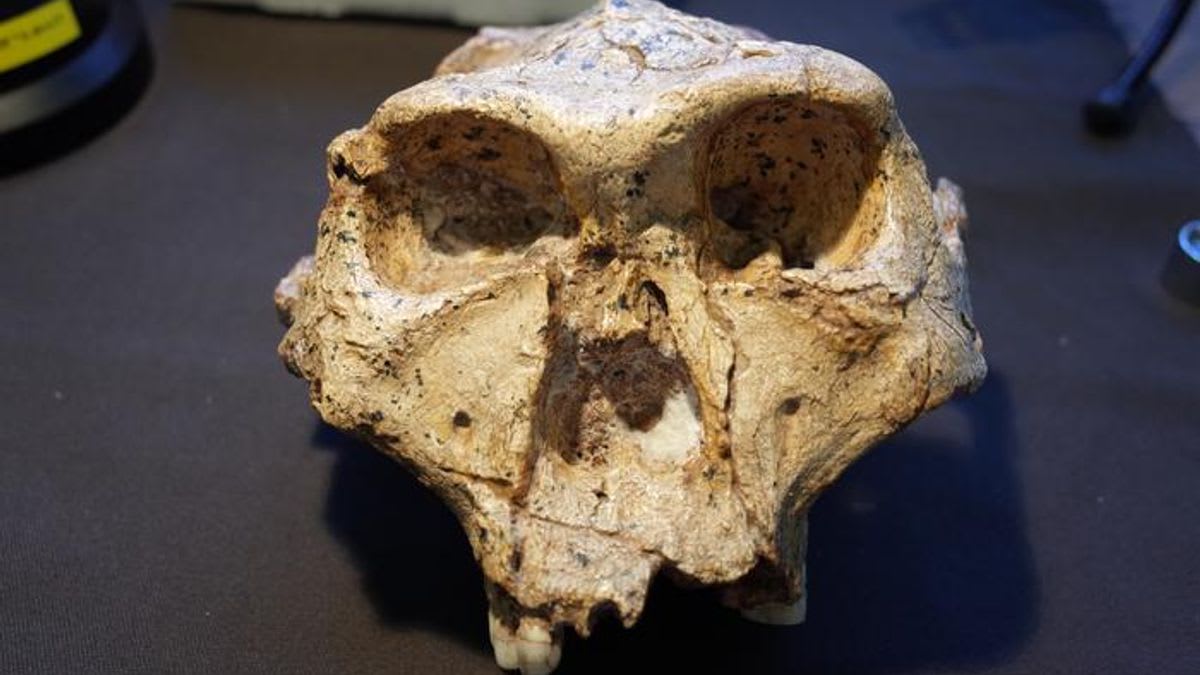
In 2016, researchers scanned a remarkable octopus fossil called Proteroctopus using synchrotron X-ray microtomography, a powerful imaging technique that reveals internal structures without damaging precious specimens. What they found inside completely changed our understanding of when octopuses developed their most distinctive traits.
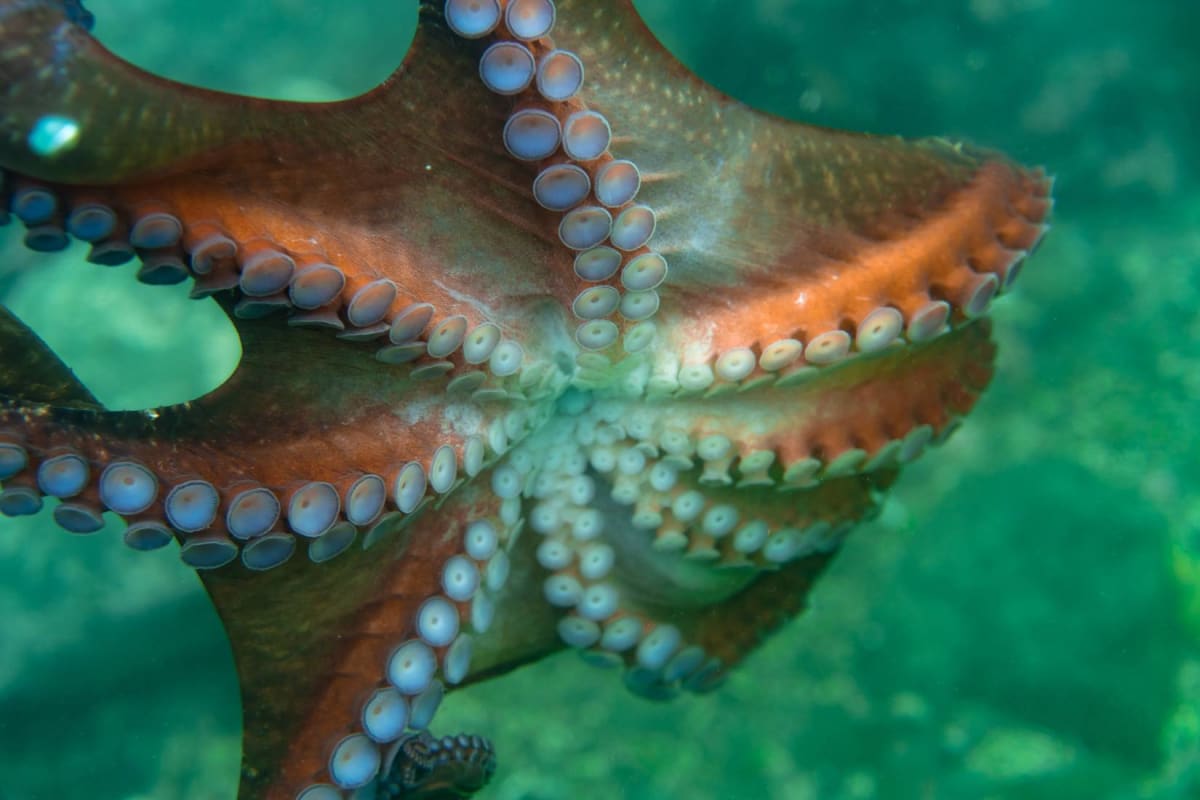
The scan revealed something incredible. Proteroctopus had two rows of suckers on its arms and internal axial nerves, features scientists believed only appeared in modern octopuses millions of years later.
"Characteristics we thought were quite recent in the evolution of the group, such as the shape of some suckers, were already present in the Jurassic," explained paleontologist Isabelle Kruta of Pierre and Marie Curie University in Paris. These suckers helped ancient octopuses grasp, taste, and navigate their underwater world just like their descendants do today.
The fossil also held surprises that challenge textbook definitions. Instead of an ink sac for defense, Proteroctopus had small fins for swimming, suggesting it relied on speed rather than camouflage to escape predators.
Even more fascinating, the scan revealed an internal shell called a gladius, leading scientists to reclassify Proteroctopus as an early member of the Vampyropoda group, which includes both octopuses and vampire squids. This discovery hints at a closer evolutionary relationship between these soft-bodied ocean dwellers than anyone suspected.
The Bright Side: This ancient fossil is opening new windows into how ocean life evolved over millions of years. The discovery proves that even specimens found decades ago can still yield groundbreaking insights when examined with new technology.
Finding octopus fossils remains exceptionally rare because these creatures lack shells or bones that preserve easily. They need to die in very specific low-oxygen environments to fossilize at all, making each discovery precious.
The research continues to spark questions about how modern octopuses evolved their remarkable intelligence and adaptability from these ancient ancestors who swam in Jurassic seas.
Every rare fossil brings us closer to understanding the incredible journey of life on Earth.
More Images



Based on reporting by Google: fossil discovery
This story was written by BrightWire based on verified news reports.
Spread the positivity!
Share this good news with someone who needs it