1,700 Blind Travelers Explore 16 Destinations Worldwide
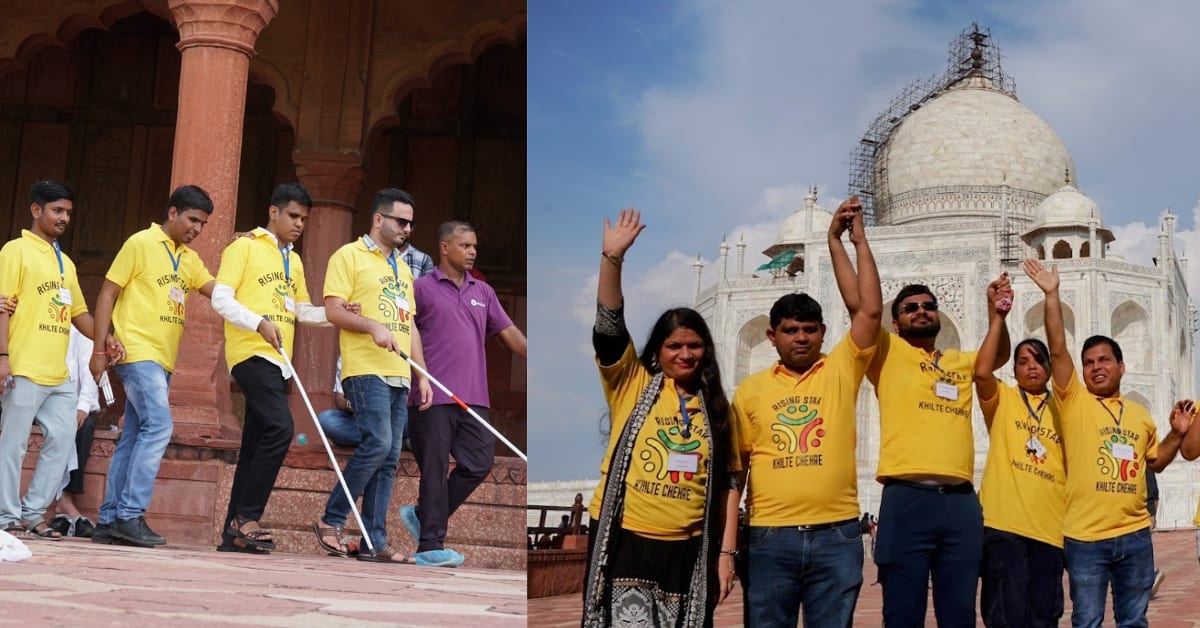
A Delhi-based nonprofit has enabled 1,700 visually impaired Indians to travel to 16 destinations from Dubai to Thailand since 2019. Rising Star Khilte Chehre charges just Rs 500-700 for domestic trips, proving travel can be accessible for everyone.
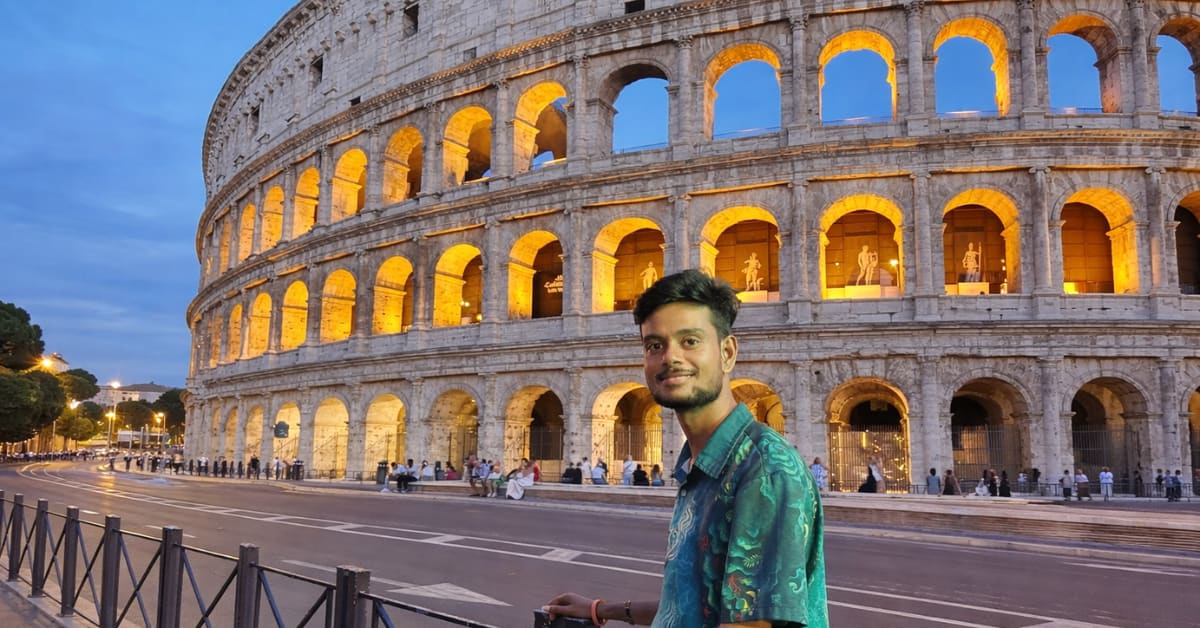
Dr. Hitesh Prasad hadn't traveled in years, not because he didn't want to, but because losing his vision in his late twenties made it too complicated. Then a WhatsApp message about a Thailand trip changed everything.
The 30-year-old medical professor from Mysuru joined a journey organized by Rising Star Khilte Chehre (RSKC), a Delhi nonprofit turning travel dreams into reality for blind Indians. What he found wasn't charity, but genuine accessibility and independence.
Amit Jain spent three decades in the travel industry before a 2019 conversation shifted his entire perspective. During a personal trip, he met visually impaired individuals who told him they longed to see the world but felt trapped by societal limitations.
"That realization stayed with me," says the 50-year-old founder. "If travel is freedom for some, why is it a limitation for others?"
Jain self-funded his first trip to Pangot, Uttarakhand with his daughter and a group of blind youngsters. Later that year, he formally registered RSKC as a nonprofit, despite hearing people say, "What's the difference between Dubai and Delhi for blind people?"
Since 2019, RSKC has enabled over 1,700 visually impaired participants to explore 16 destinations including Thailand, Dubai, Rishikesh, Goa, and Jaipur. Nearly 30 percent of travelers return for multiple journeys.
The organization now has 500 trained volunteers across India and partner countries. Their February 2026 Thailand trip marked a major milestone in international accessibility.
For 2026, RSKC plans five international trips and ten domestic journeys annually. They're exploring destinations like Tashkent, Bhutan, Sri Lanka, and India's Northeast, plus organizing India Blind Fest, a national platform for blind professionals and entrepreneurs.
The Ripple Effect
RSKC's model tackles more than wanderlust. In India, persons with disabilities face significant barriers to education, mobility, and employment, making travel financially out of reach for many.
The nonprofit charges just Rs 500-700 for domestic trips to prevent last-minute cancellations while preserving dignity. "The nominal fee ensures our travelers don't feel like charity cases and freely express their demands," explains former project manager Muskan Gupta.
International trips ask participants to cover 60 percent of costs, with RSKC supporting the rest. The Thailand journey cost travelers Rs 24,000, significantly below market rates.
Senior programs manager Lovely Sarkar says they encourage independence by helping travelers interact with strangers and build peer networks. Group travel creates shared experiences that counter isolation with confidence.
Dr. Hitesh's passport finally got its stamp, but he gained something more valuable: proof that his vision loss doesn't limit his horizons, just the way he explores them.
More Images
%2Fenglish-betterindia%2Fmedia%2Fmedia_files%2F2026%2F03%2F03%2Ftravel-for-blind-2026-03-03-17-11-59.png)
%2Ffilters%3Aformat(webp)%2Fenglish-betterindia%2Fmedia%2Fmedia_files%2F2026%2F03%2F03%2Ftravel-for-blind-2026-03-03-17-29-39.png)
%2Ffilters%3Aformat(webp)%2Fenglish-betterindia%2Fmedia%2Fmedia_files%2F2026%2F03%2F03%2Frsck-travel-for-blind-2026-03-03-17-32-04.png)
Based on reporting by The Better India
This story was written by BrightWire based on verified news reports.
Spread the positivity!
Share this good news with someone who needs it