1700s Brick Kiln Discovered at Jefferson's Monticello
Archaeologists just unearthed a forgotten brick kiln from the 1700s at Thomas Jefferson's Monticello, revealing new secrets about how enslaved workers built the historic home. The oven, buried for over 200 years and never recorded on any maps, still bears the original inscriptions of the brick makers who shaped it.
A team digging near Thomas Jefferson's famous Virginia home just found something that had been hidden in plain sight for centuries: a complete brick kiln that helped build Monticello itself.
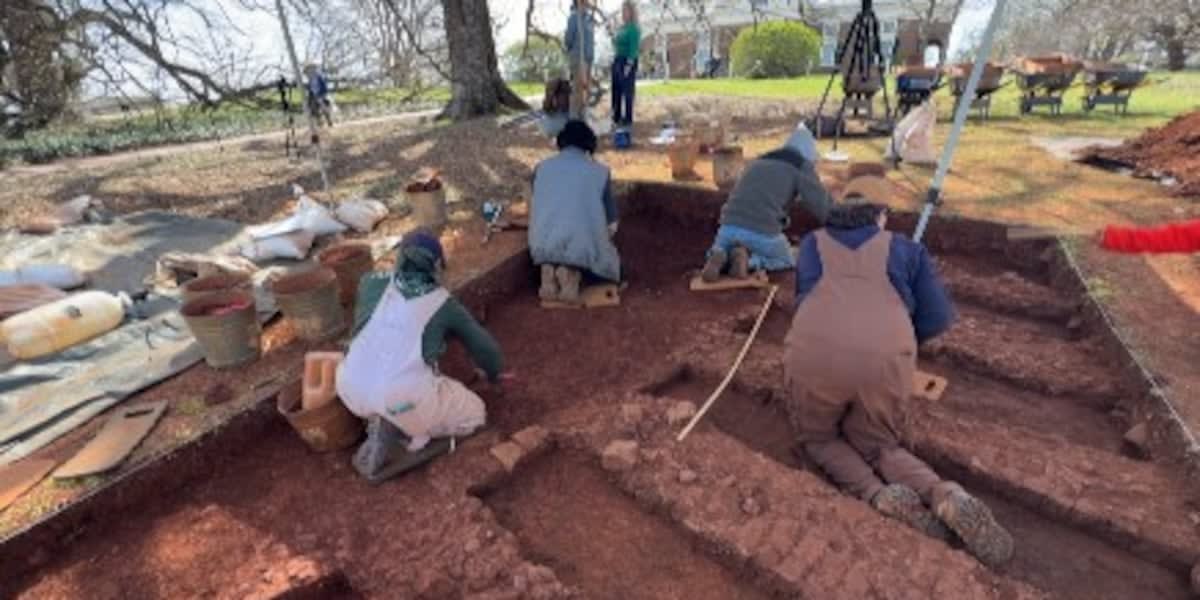
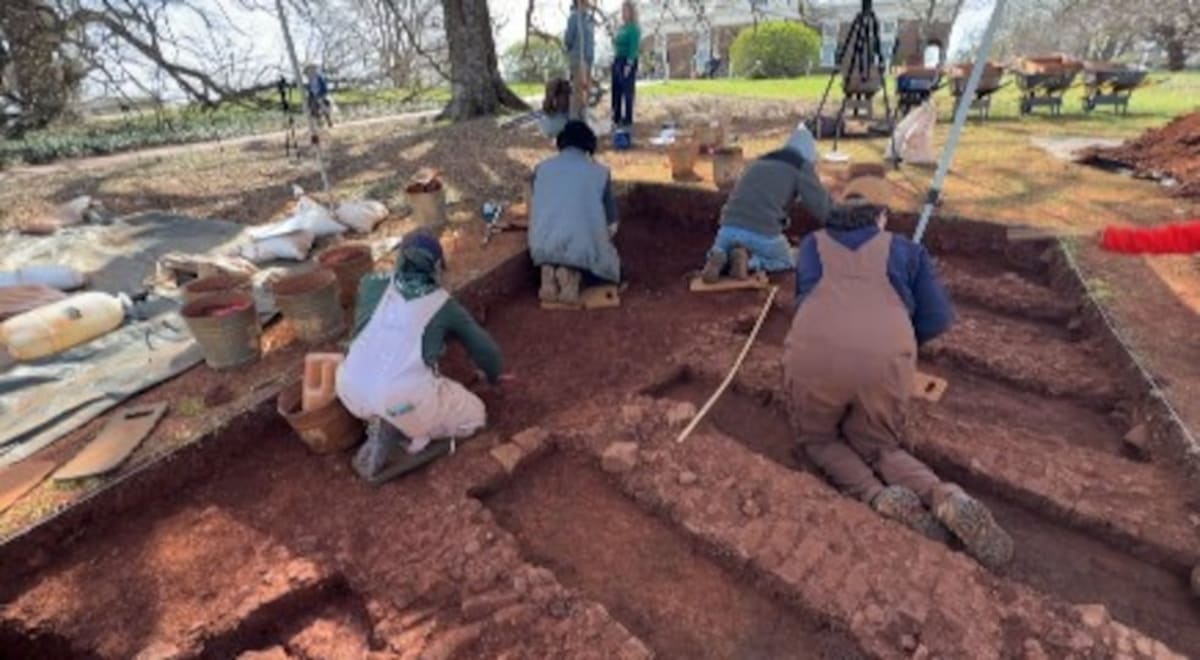
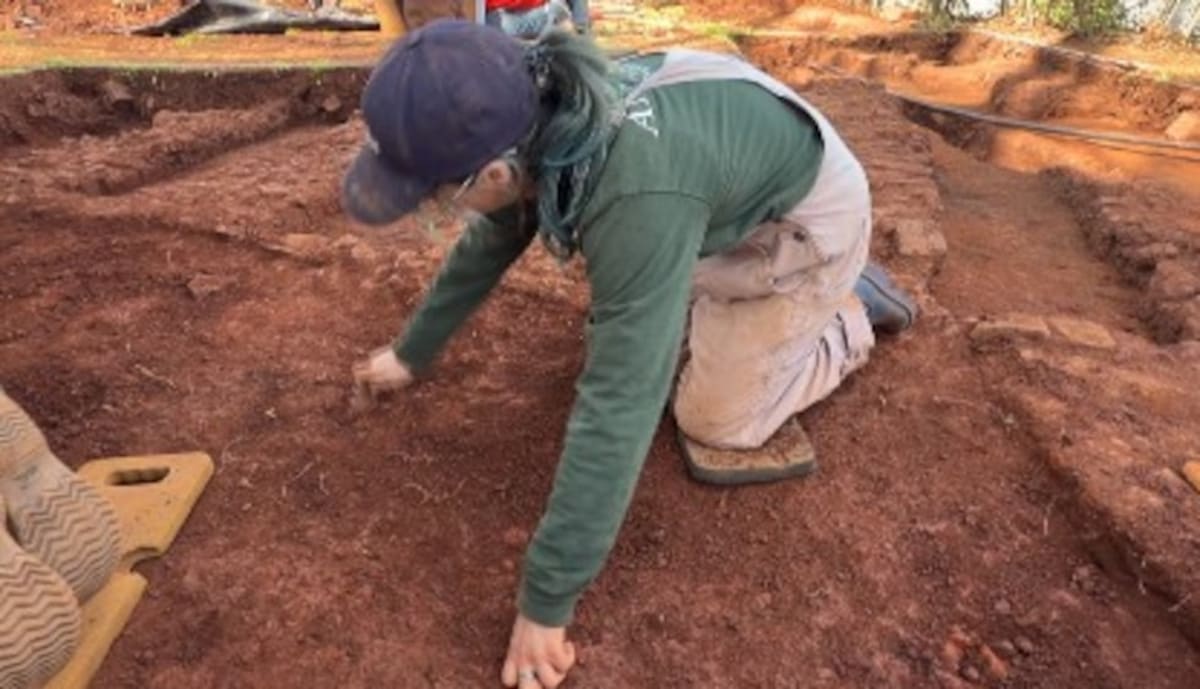
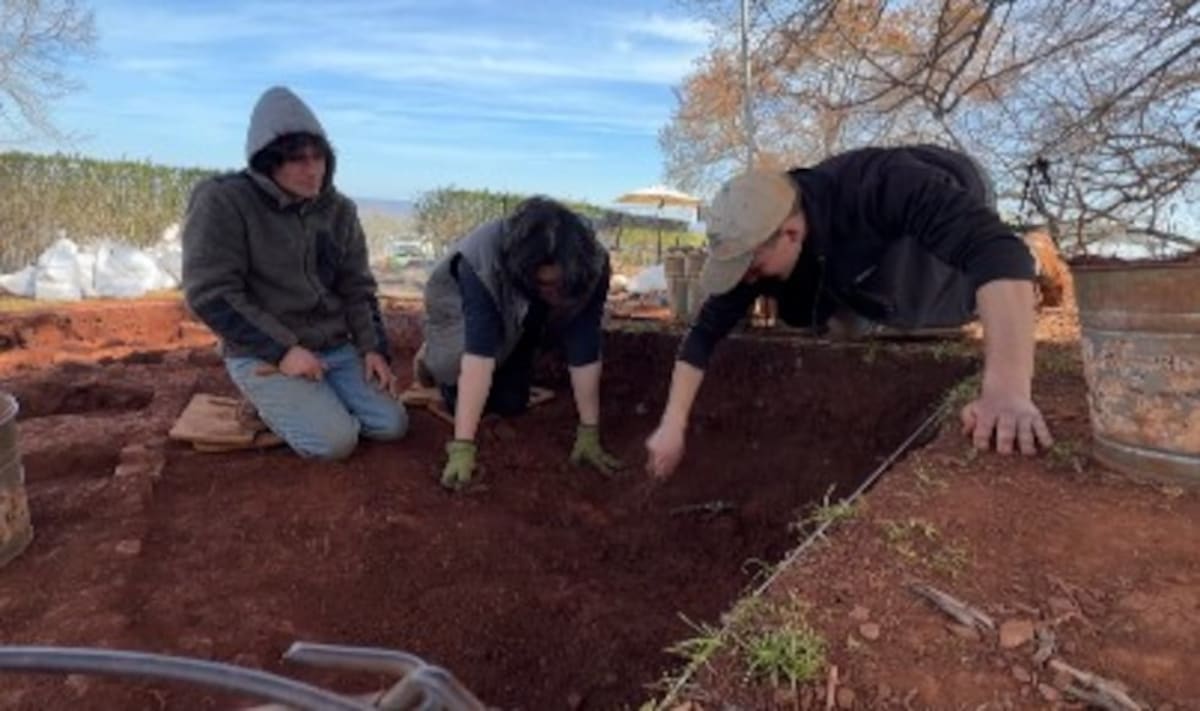
The discovery happened almost by accident. Crystal O'Connor, the archaeological field research manager, brought her team to Monticello's east lawn about six weeks ago to survey the area before a construction project. "We immediately started hitting brick," she said.
Within weeks, they realized they'd found something remarkable. The structure turned out to be an intact brick kiln from the 1700s, an oven where workers heated and hardened the bricks that became Jefferson's expanded residence.
The kiln sits just feet from the main house. Original inscriptions from the brick makers are still visible on the blocks, frozen in time from the moment craftsmen pressed their marks into wet clay.
For the young archaeologists on site, it's a career-defining moment. "It's pretty once in a lifetime," one team member said. "The base is pretty much intact, so you can clearly see where they put their eyes and where they would have had a stack of bricks."
The kiln's story tells us something important about Monticello's construction. When Jefferson returned from serving as minister to France, he wanted to expand his home. Workers built this kiln specifically for that project, then dismantled it once the expansion was complete, repurposing its bricks into the house itself.
Then it disappeared from history. No maps marked its location. No letters mentioned it. No drawings preserved its existence. Only archaeology could bring it back to light.
Why This Inspires
This discovery reminds us that history isn't finished teaching us its lessons. Every generation gets the chance to uncover new truths about the past, especially the stories of people whose contributions went unrecorded.
The brick makers who left their marks on these kilns helped build one of America's most iconic homes. Their fingerprints remain, waiting centuries to tell their story. Now visitors to Monticello will learn not just about Thomas Jefferson, but about the skilled hands that turned his architectural dreams into reality.
O'Connor captures it perfectly: "I think it helps us remember that we're not done learning about the past and reinterpreting it. There's stories that are still out there waiting to be told."
Monticello plans to incorporate the kiln into future tours, giving guests a window into the construction techniques and human labor that built the historic site.
History keeps surprising us when we're willing to dig a little deeper.
More Images
Based on reporting by Google: archaeological discovery
This story was written by BrightWire based on verified news reports.
Spread the positivity!
Share this good news with someone who needs it