19 Major Cities Cut Air Pollution Up to 40% in 15 Years
Nearly two dozen of the world's biggest cities have slashed air pollution by up to 40% in just 15 years, proving that cleaner air is within reach for urban centers everywhere. From Beijing to London, cities are showing the world that economic growth and clean air can go hand in hand.
Breathing just got easier for millions of people living in some of the world's busiest cities. A new report from Breathe Cities reveals that 19 major metropolises have cut air pollution by 20% to 40% over the past 15 years, transforming the health outlook for their residents.
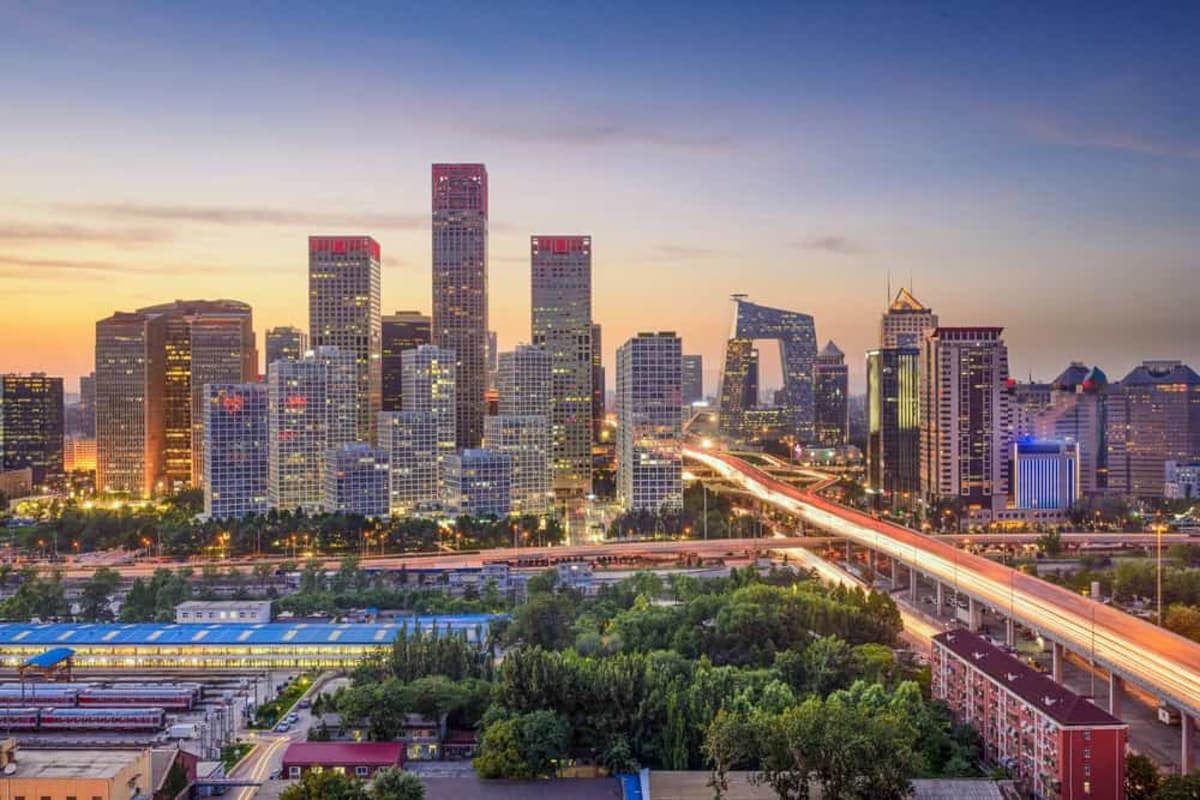
The wins are happening everywhere, but Asia is leading the charge. Nine Chinese cities made the list, including Beijing, Shenzhen, and Hong Kong, proving that rapid economic growth doesn't have to mean dirty air. European cities like London, Paris, and Berlin also earned spots on the honor roll, alongside San Francisco in the US.
The recipe for success looks similar across borders. Cities embraced cycling infrastructure, introduced clean air zones that limit the dirtiest vehicles, and switched public transit and taxis to electric power. These aren't experimental ideas anymore but proven strategies that work at massive scale.
The stakes couldn't be higher for getting this right. Air pollution ranks as the world's top environmental health risk, driving heart disease, asthma, and premature births, with the poorest communities suffering the most. Every percentage point of improvement means fewer children with asthma, fewer parents with respiratory disease, and longer, healthier lives.
Meanwhile, global crises are unexpectedly accelerating the shift to clean energy. Soaring oil prices from Middle East conflicts have pushed South Korea, European nations, and Southeast Asian countries to speed up their renewable energy plans. Kenya's foreign minister captured the moment perfectly, asking whether Africa powered by clean energy would even worry about Middle East instability.
UN Secretary General António Guterres reminded world leaders that sunlight can't be blockaded and wind can't be weaponized. The fastest path to energy security now runs straight through renewable energy, making clean power both an environmental and strategic priority.
On the ground in London, city leaders are tackling another urban challenge. The number of SUVs on London's roads exploded from 80,000 to 800,000 in just two decades, creating what campaigners call "parking mayhem and dangerous roads." Research shows SUVs are 77% more likely to kill a child than regular cars in crashes.
Mayor Sadiq Khan is now considering following Paris and Cardiff in charging higher fees for SUVs. The move is part of his Vision Zero plan to eliminate traffic deaths and serious injuries by 2041. While motoring groups pushed back, road safety advocates welcomed the focus on protecting the most vulnerable road users.
The Ripple Effect
When cities prove that cleaner air is possible, they create a roadmap for thousands of others. Breathe Cities' executive director Cecilia Vaca Jones put it simply: "The pathway to cleaner air has been tested at scale, now it's about enabling more cities to follow it." Every success story makes the next one easier, building momentum that could eventually reach every urban center on Earth.
The cities on this list didn't wait for perfect conditions or complete consensus. They acted, adapted, and proved that breathing easier is a choice cities can make right now.
Based on reporting by Positive News
This story was written by BrightWire based on verified news reports.
Spread the positivity!
Share this good news with someone who needs it