1925: India's First Wild Tiger Photo Took 8 Years to Capture
A British forest officer spent eight years in the jungle to capture what no one had before: a wild tiger photographing itself. His patience changed conservation forever.
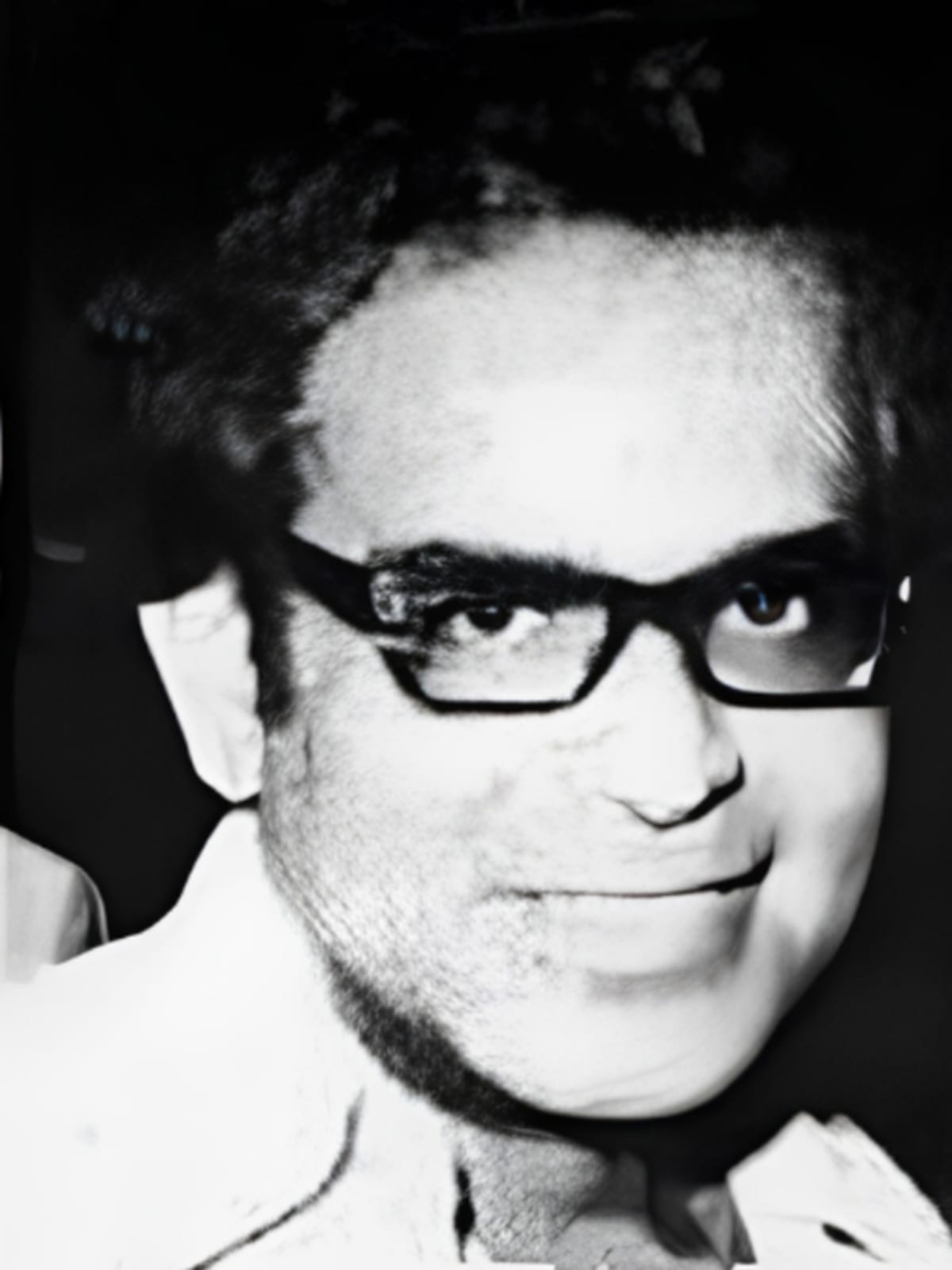
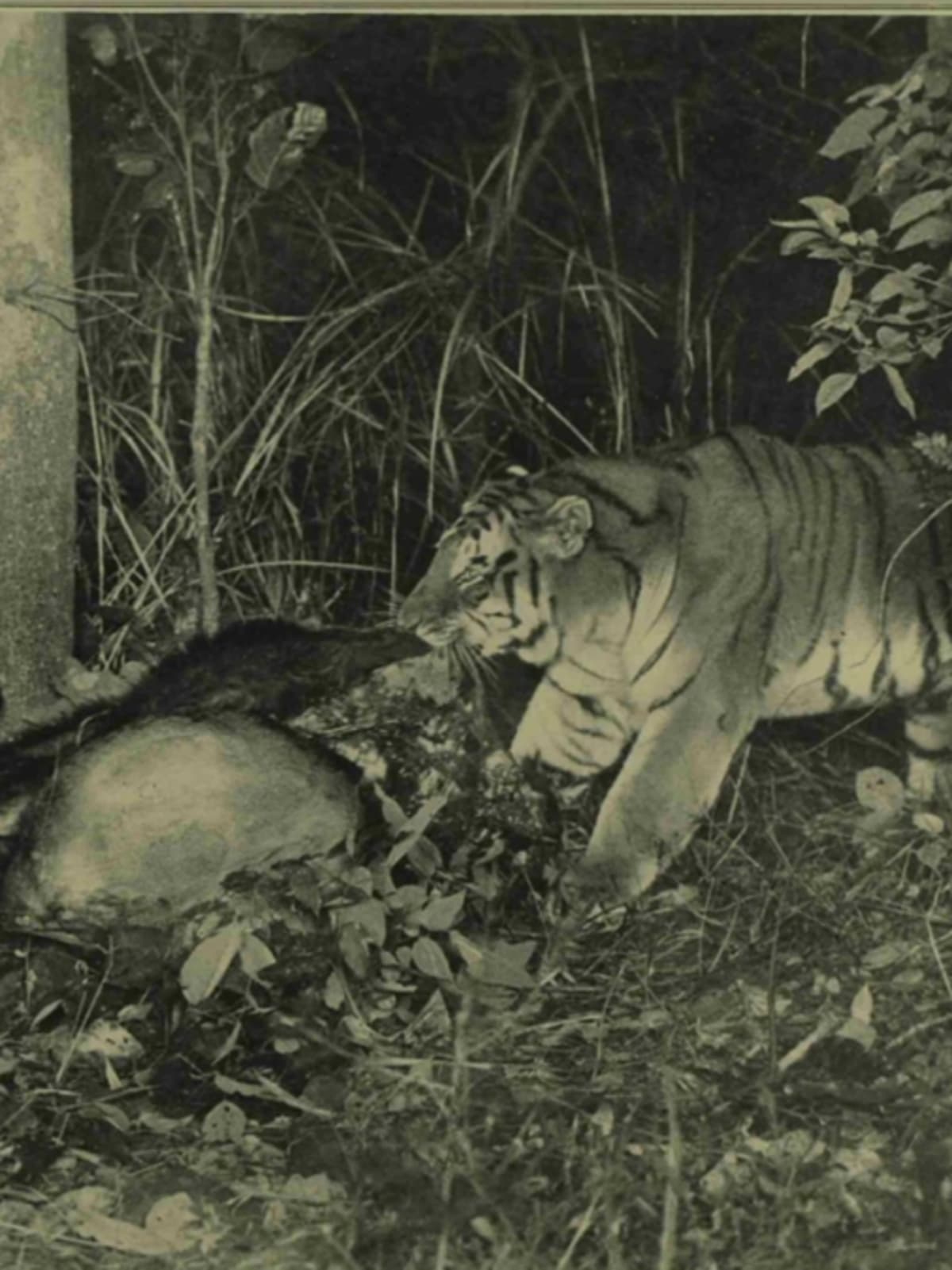
In 1925, Frederick Walter Champion did something that seemed impossible. He photographed a wild tiger in its natural habitat without bait, staging, or a single gunshot.
Champion was a forest officer in colonial India, working across what is now Uttar Pradesh and Uttarakhand. While his peers carried rifles and collected trophies, he carried a camera and an idea that wildlife deserved to be seen, not shot.
For eight years, Champion walked into the forest with equipment, wire, and hope. He invented a technique called trip-wire photography, hiding cameras along tiger paths with a thin wire stretched across. When a tiger walked through, it triggered the shutter and flash, capturing its own portrait.
In October 1925, The Illustrated London News ran his images on the front page. The headline read: "The First Photographs of Tigers in Their Natural Haunts." Readers in London and beyond saw a tiger as a living creature, not a mounted head on a wall.
Champion's work caught the attention of Jim Corbett, the legendary hunter turned conservationist. Together, they began advocating for protected forests and fewer hunting licenses. In 1935, their efforts helped establish India's first national park, now called Jim Corbett National Park.
The Ripple Effect
Champion's trip-wire method became the foundation for modern camera traps. Today, researchers use his technique to monitor tiger populations across India and track their movements without human interference. The same technology helps power Project Tiger, India's ambitious conservation program that has brought tiger numbers back from the edge.
His photographs did more than document wildlife. They shifted how people thought about predators, turning fear and sport into curiosity and care. Champion proved that a single image could create more value than any trophy ever could.
Nearly a century later, every camera trap click in an Indian forest echoes Champion's belief: the best way to capture a tiger is to let it live wild.
Based on reporting by The Better India
This story was written by BrightWire based on verified news reports.
Spread the positivity!
Share this good news with someone who needs it