1939 Library Sit-In Paved the Way for Civil Rights Movement
Five young Black men walked into a whites-only library in Alexandria, Virginia, picked up books, and quietly began to read. Their peaceful protest 87 years ago became a blueprint for the civil rights movement that would change America.
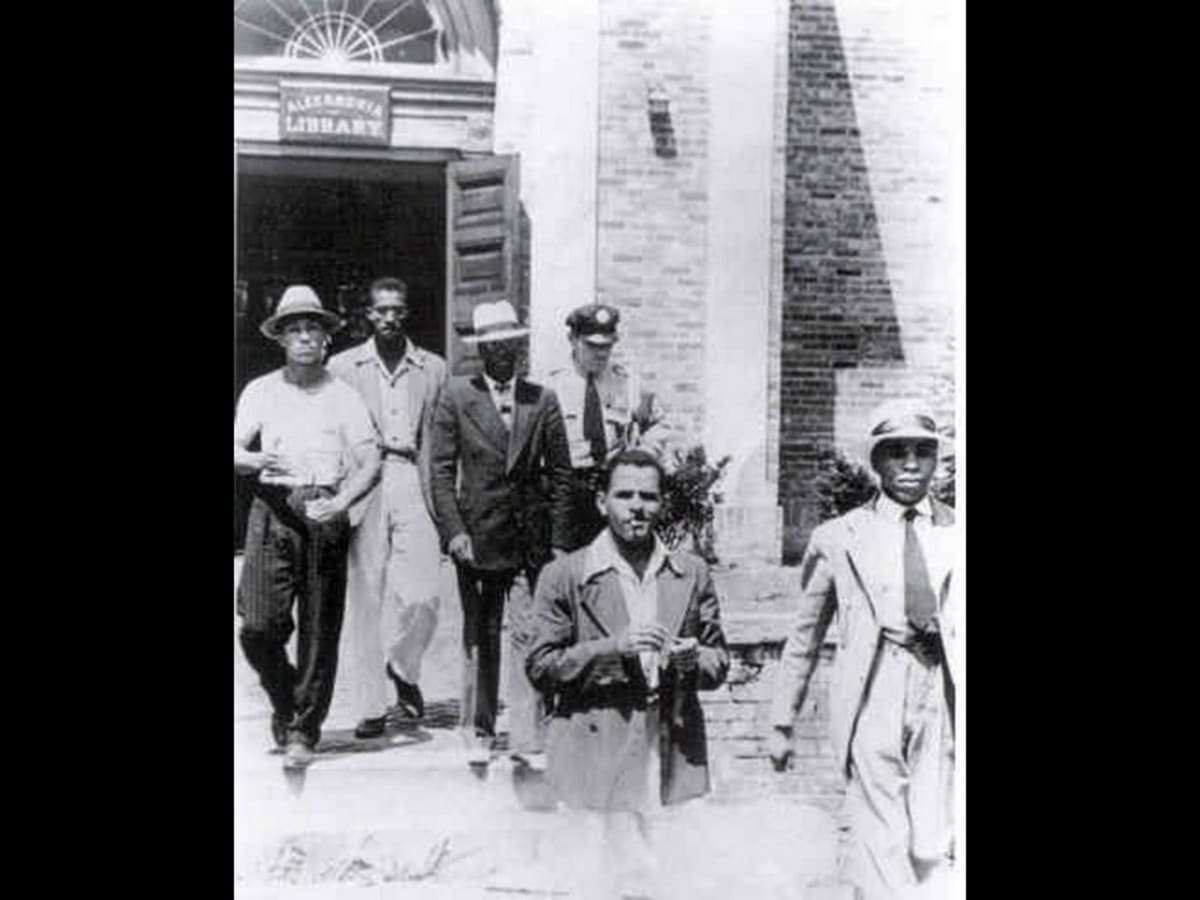
On August 21, 1939, a carefully orchestrated act of courage unfolded in Alexandria, Virginia that would echo through history. Five well-dressed young Black men entered the public library one by one, requested library cards, and when denied, simply sat down and began reading.
The protest was the brainchild of Samuel Wilbert Tucker, a young Virginia attorney who had spent years trying to convince Alexandria's white community to grant equal access to public resources. When polite requests to the Library Board went nowhere, Tucker knew it was time for action.
As each young man was refused a library card, he calmly selected a book and took a seat. Tucker's own brother William was among the protestors. Within minutes, a flustered library staff called the police.
Officers arrived and arrested all five men for "disorderly conduct." But Tucker had planned ahead. He called a photographer to document the arrests and immediately arranged their release.
His goal was clear: challenge the city in court on the grounds that all citizens deserved equal access to public services. The city fought back through negotiations and stalling tactics, trying desperately to avoid integration.
In 1940, community leaders bypassed Tucker and accepted a "separate but equal" library solution. The city quickly approved construction of the Robert H. Robinson Library, complete with funding and an African American librarian.
Tucker was furious at the compromise. When the librarian invited him to apply for a card at the new segregated library, he wrote back refusing, demanding access to the existing Queen Street library instead.
Why This Inspires
The Alexandria library sit-in happened 21 years before the famous Greensboro lunch counter protests that most Americans learn about in school. Tucker and these five brave young men created a template for peaceful resistance that would inspire generations of activists.
Their quiet act of reading books while being treated as criminals showed the absurdity of segregation with elegant simplicity. They didn't shout or fight. They just wanted to read.
Though Tucker didn't win full integration in 1939, his courage planted seeds that would eventually grow into the civil rights victories of the 1960s. The Robinson Library still stands today as a reminder that progress often begins with a single person refusing to accept injustice.
Sometimes the most powerful protests are the quietest ones.
More Images

Based on reporting by Good News Network
This story was written by BrightWire based on verified news reports.
Spread the positivity!
Share this good news with someone who needs it