1949 Whale Song Recording Reveals a Quieter Ocean
Scientists just discovered the oldest known recording of whale song on 75-year-old audio equipment, and it's revealing something unexpected: how much noisier our oceans have become. The haunting humpback melody from 1949 could help us understand how human activity has changed the way these giants communicate.
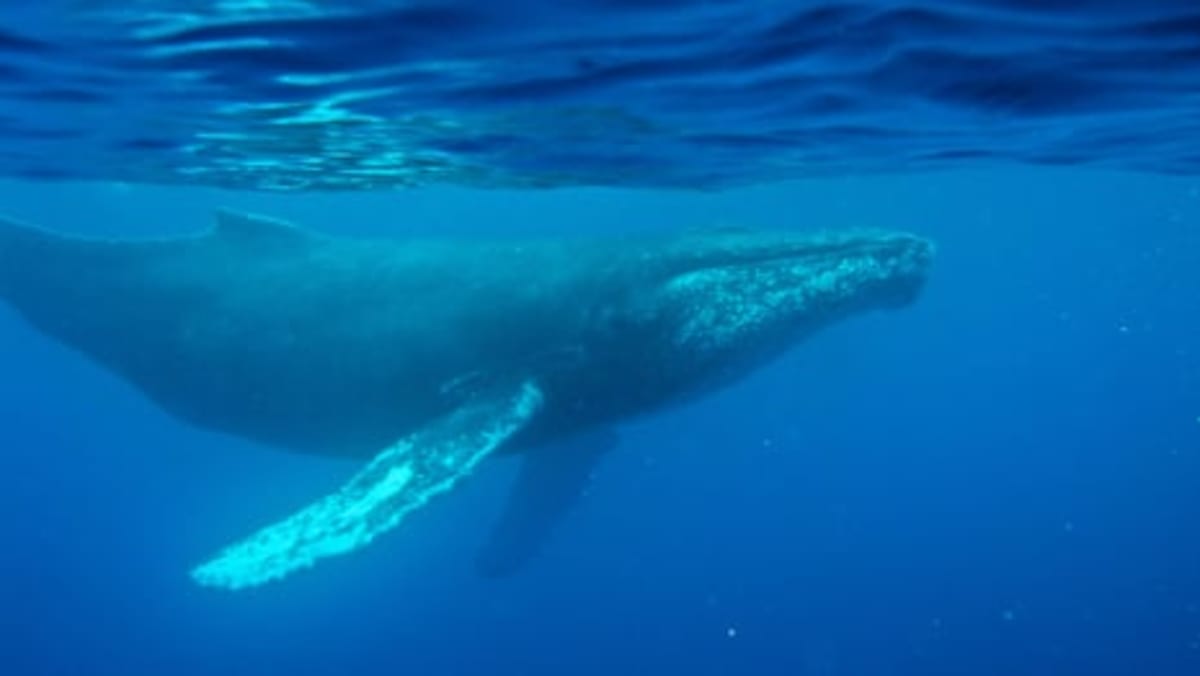
A haunting melody recorded in March 1949 has emerged from decades-old audio equipment, giving scientists a rare window into both whale communication and the ocean itself. The humpback whale song, discovered by researchers at Woods Hole Oceanographic Institution in Massachusetts, is the oldest such recording ever found.
Scientists aboard a research vessel near Bermuda were testing sonar systems when they captured something unusual. They didn't know what they were hearing, but curiosity led them to keep recording anyway, even shutting down their ship's noise just to listen better.
Ashley Jester, who directs research data and library services at Woods Hole, found the song preserved on a plastic disc from a Gray Audograph dictation machine. While tape recordings from that era have long deteriorated, this plastic disc survived in remarkable condition.
The recording predates Roger Payne's famous discovery of whale song by nearly 20 years. But the real treasure isn't just the whale's voice, it's the silence surrounding it.
Marine bioacoustician Peter Tyack explains that the late 1940s ocean was dramatically quieter than today's seas. That difference matters because whales adjust their calling behavior based on background noise, according to research from the National Oceanic and Atmospheric Administration.
The Bright Side
This acoustic time capsule gives scientists a baseline they've never had before. Understanding how whales communicated in quieter waters helps researchers measure how increased shipping noise and other human sounds affect these marine giants today.
Humpback whales can weigh more than 55,000 pounds and are the ocean's most renowned singers. Their complex vocalizations help them find food, navigate vast distances, socialize with each other, and understand their surroundings in ways we're still learning about.
These sounds come as clicks, whistles, and calls that can sound ethereal or even mournful. For humpbacks, this ability isn't just beautiful, it's critical to survival.
Hansen Johnson, a research scientist at the New England Aquarium who wasn't involved in the discovery, notes that whale song has inspired countless people to care about ocean life. The recovery of this 75-year-old recording continues that tradition while opening new research possibilities.
The scientists who made the original recording couldn't have known they were preserving a piece of marine history that would become invaluable seven decades later.
More Images

Based on reporting by Guardian Environment
This story was written by BrightWire based on verified news reports.
Spread the positivity!
Share this good news with someone who needs it