1980s Computer Tech Could Unlock Quantum Revolution
A quantum computing company is reviving forgotten superconducting technology from the 1980s to solve one of the industry's biggest challenges. The decades-old innovation could make quantum computers more powerful and efficient than ever before.
A technology that flopped in the 1980s might just save the future of computing.
When IBM abandoned superconducting computer chips in 1983, most people thought the technology was dead. The chips worked perfectly in theory, transmitting electricity with zero energy loss. But keeping them cold enough to function proved too expensive and impractical for everyday computers.
Fast forward four decades, and that "failed" technology is getting a second chance. SEEQC, a quantum computing company in upstate New York, has built an entire chip foundry around those old superconducting designs. Their team includes researchers who kept the technology alive long after IBM shut down its program.
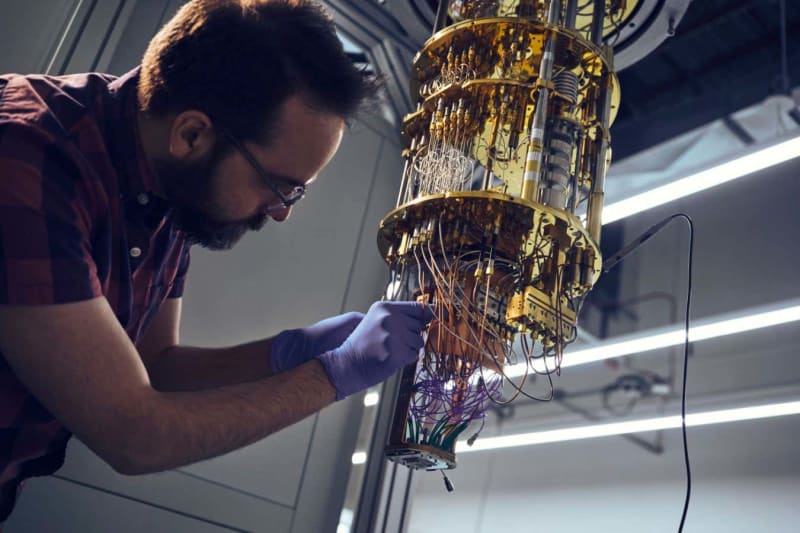
The timing couldn't be better. Today's quantum computers face a massive problem: they're bulky, error-prone, and surrounded by racks of supporting equipment. Each delicate quantum bit needs controllers, monitors, and connections to conventional computers. All that hardware creates heat and takes up space, limiting how powerful quantum machines can become.
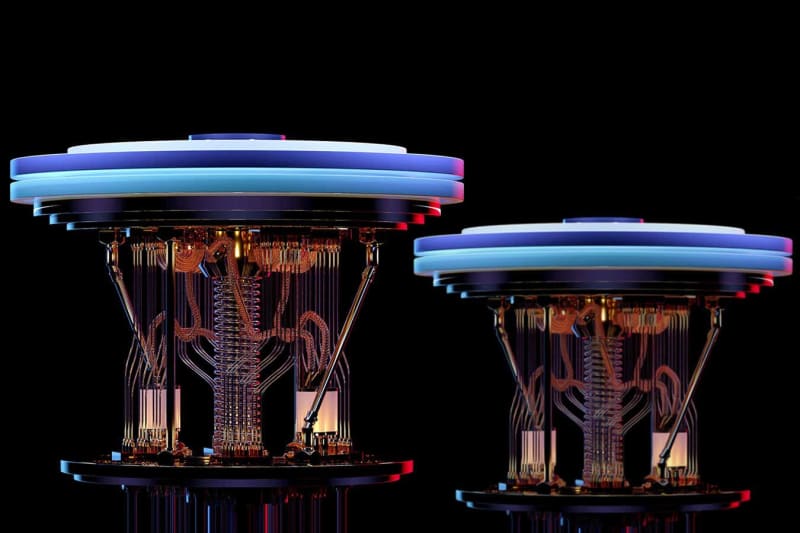
SEEQC thinks 1980s superconducting chips can fix this. In their fabrication facility, technicians in protective suits carefully layer ultra-thin sheets of niobium metal with other materials. They use light to etch tiny circuits onto these sandwich-like structures, creating chips that could replace dozens of components in current quantum computers.
The company's CEO John Levy holds up one of their chips, surprisingly small and square. This unassuming device aims to make quantum computers bigger and more powerful while actually shrinking their physical footprint.
Why This Inspires
Sometimes the best solutions aren't new at all. They're good ideas that were simply ahead of their time.
Superconductors need extreme cold to work, which killed them as replacements for regular computers. But quantum computers already require those ultra-cold environments anyway. The infrastructure that made superconducting chips impractical in the 1980s is exactly what quantum machines use today.
Meanwhile, conventional computing's energy problem has only gotten worse. Computer scientist Michael Frank noted in 2017 that traditional computers are basically expensive electric heaters that happen to do some computing on the side. The AI boom has sent that energy consumption skyrocketing.
The researchers at SEEQC aren't just recycling old ideas. They're proving that yesterday's "failures" might hold tomorrow's breakthroughs. Google and IBM already use superconducting qubits in some of today's most powerful quantum computers, achieving demonstrations of "quantum supremacy" that conventional computers can't match.
The road ahead still holds plenty of technical challenges. Quantum computers haven't yet broken encryption or discovered wonder drugs, despite years of promise. But by reaching back to the 1980s, SEEQC might have found the missing piece that helps quantum computing finally deliver on its potential.
Sometimes progress means looking backward to move forward.
More Images



Based on reporting by New Scientist
This story was written by BrightWire based on verified news reports.
Spread the positivity!
Share this good news with someone who needs it