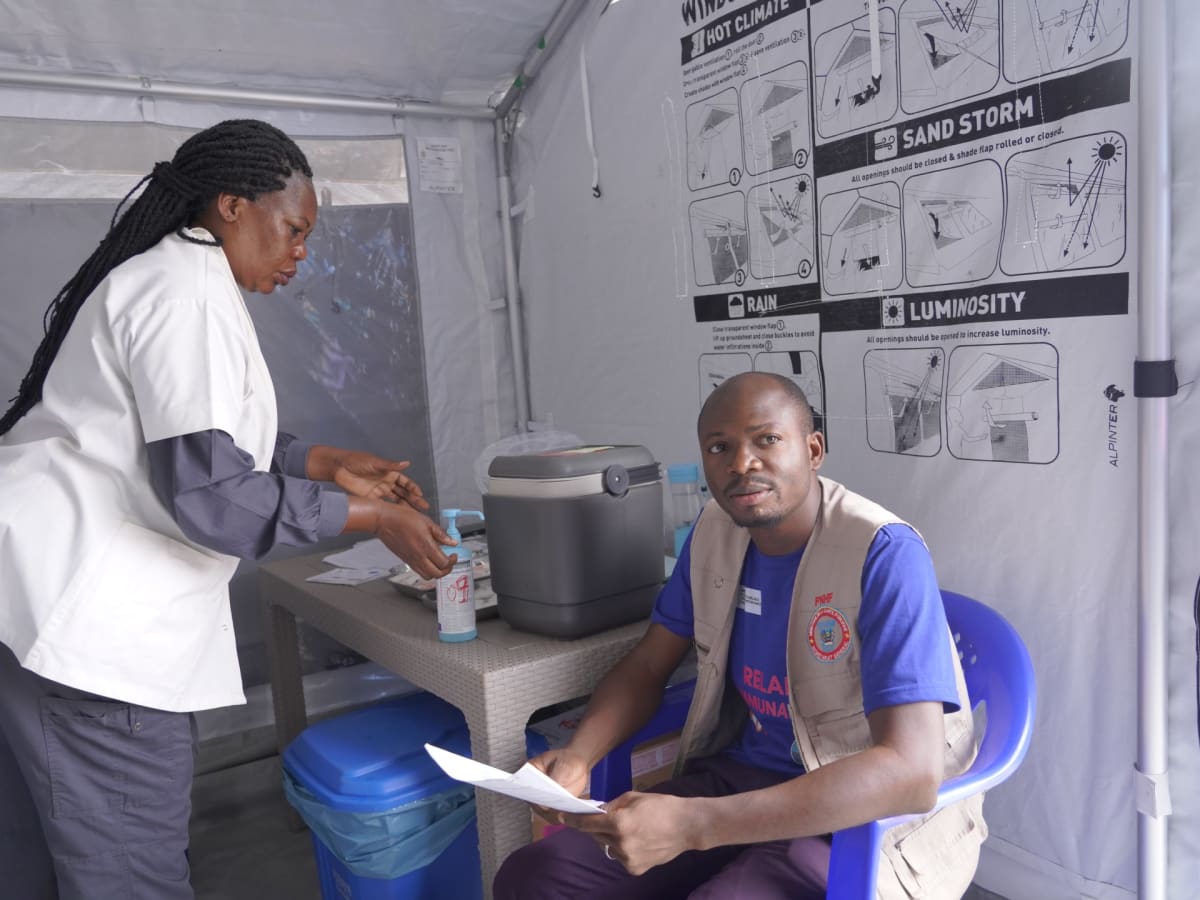
1M New Midwives Could Save 4M Lives Yearly by 2035
The UN says training one million more midwives worldwide could save over four million mothers and babies from preventable deaths each year. Every dollar invested would return sixteen dollars in social and economic benefits.
Imagine a world where no mother has to die bringing life into it.
The United Nations Population Fund announced on International Day of the Midwife that hiring one million additional midwives globally by 2035 could prevent more than four million maternal and newborn deaths every year. These aren't deaths from rare conditions or unavoidable complications. They're deaths from preventable pregnancy and childbirth issues that skilled care could stop.
Executive Director Diene Keita shared the hopeful news in a statement emphasizing how educating, deploying, and retaining these healthcare professionals would transform entire health systems. The math is simple: skilled midwives at births dramatically increase survival chances for both mothers and babies.
Africa faces the steepest challenge, accounting for roughly half the global shortage of midwives. In many fragile and crisis-affected regions, midwives aren't just helpful. They're often the first and only healthcare providers pregnant women will see.
What makes this investment so powerful is what midwives actually do. Beyond delivering babies, they provide family planning services, prenatal care, postnatal support, nutrition counseling, and cancer screenings. They're trained to handle most essential sexual and reproductive health needs that keep families healthy.
The Ripple Effect
The economic case for midwives is stunning. Every dollar spent on midwifery training and support generates up to sixteen dollars in social and economic returns, according to UNFPA research.
That's because healthier mothers raise healthier children who grow into productive adults. Entire communities benefit when families don't lose mothers to preventable deaths. Women who survive childbirth can work, care for their families, and contribute to their local economies.
UNFPA is already working through its Midwifery Accelerator coalition to help countries develop investment plans tailored to local needs. The focus goes beyond just training. Fair compensation and real career development opportunities matter for keeping these mostly female healthcare workers in the profession.
The organization is also pushing for innovative technologies and diagnostic tools that strengthen midwives' skills and help them make better decisions in critical moments. Modern training combined with proper support creates empowered healthcare workers who save lives daily.
Keita called the investment in midwives essential to building resilient societies where women and communities thrive. The goal isn't complicated: ensure every woman who wants a skilled midwife can have one.
One million midwives stands between today's preventable deaths and tomorrow's healthier world for mothers everywhere.
Based on reporting by Vanguard Nigeria
This story was written by BrightWire based on verified news reports.
Spread the positivity!
Share this good news with someone who needs it