2 Doctors Drop Infant Deaths From 147 to Near Zero in India
In a remote Indian valley where 147 babies died per 1,000 births, two doctors built a healthcare system from a single hut. Three decades later, infant mortality has plummeted and an entire community learned to heal itself.
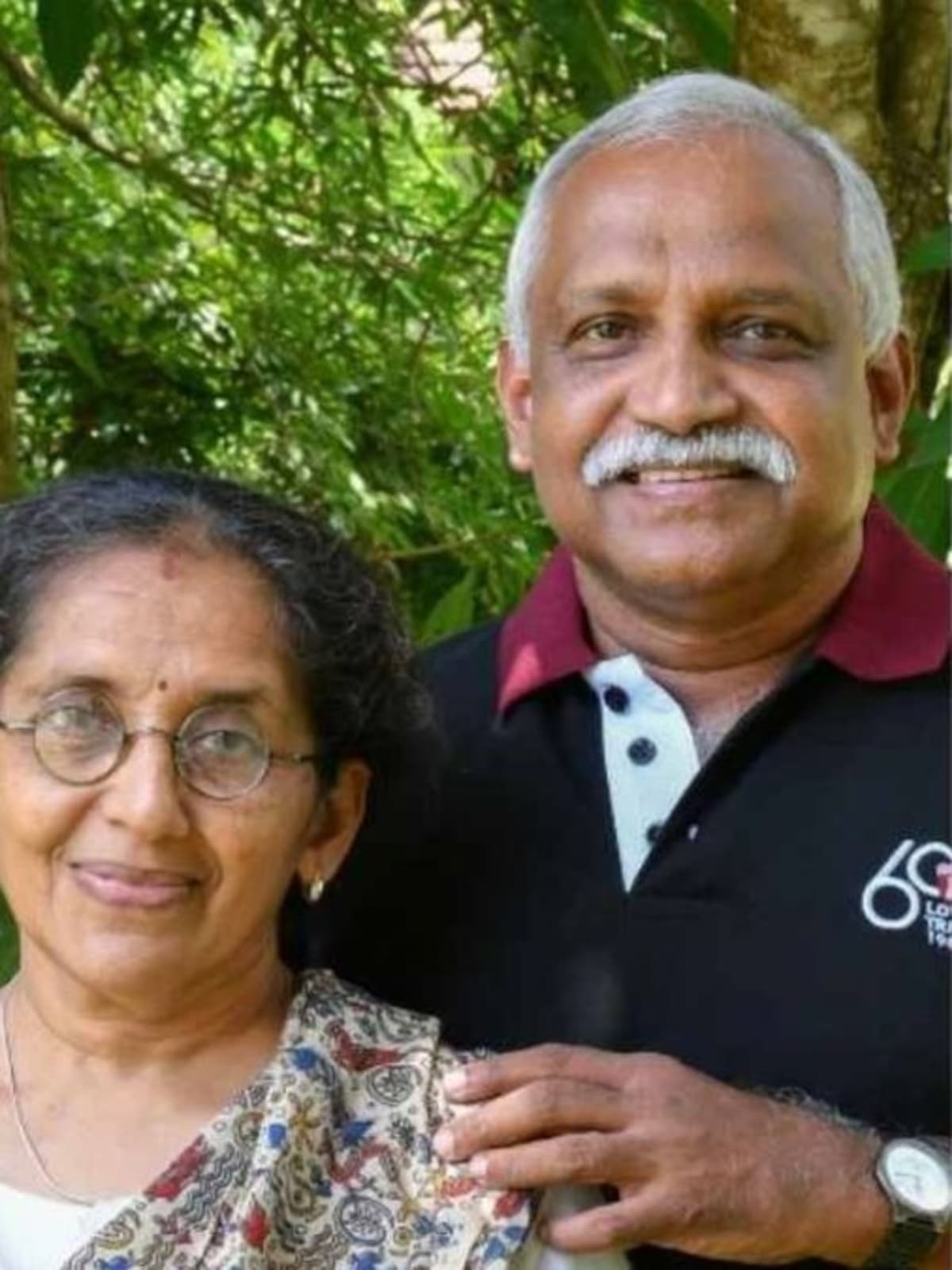
When Dr. Regi George and Dr. Lalitha arrived in Sittilingi Valley in the early 1990s, they found a community where one in seven babies never made it to their first birthday. The nearest hospital sat 50 kilometers away, and surgeries required a grueling 100-kilometer journey most families couldn't afford.
The two doctors made a choice that changed everything. They stayed.
Their first clinic was a small hut with no equipment and no electricity. But that hut became the seed of something remarkable: the Tribal Health Initiative, a healthcare model that would transform not just survival rates, but an entire way of life.
Dr. George and Dr. Lalitha knew medicine alone wouldn't save this valley. They trained tribal women as community health workers, creating a network of care that reached every village. These local healers became the frontline, catching problems early and bringing expertise directly to families who'd never seen a doctor before.
The doctors looked beyond the hospital walls. They partnered with farmers to shift toward organic, millet-based agriculture because they understood that nutrition determines health outcomes. Better food meant fewer sick children, stronger mothers, and communities resilient enough to thrive.
Women gained new pathways to independence through artisan collectives and tailoring groups. The revival of traditional crafts created income, yes, but it also restored dignity and self-reliance to families who'd felt forgotten by the modern world.
The Ripple Effect spreads far beyond medical charts. Infant mortality dropped from 147 per 1,000 to near zero. For years, not a single mother died in childbirth. The small hut grew into a full hospital with modern facilities. But the most profound change happened in the community's spirit: people who once depended on distant outsiders learned to care for themselves and each other.
Today, Sittilingi Valley stands as living proof that healthcare works best when it grows from the ground up. The tribal women who once had no access to medicine now deliver that care to their neighbors. The valley that buried too many babies now celebrates their first birthdays.
Two doctors saw suffering and chose not to look away. Thirty years later, an entire valley breathes easier because they stayed.
Based on reporting by The Better India
This story was written by BrightWire based on verified news reports.
Spread the positivity!
Share this good news with someone who needs it