2 Friends Archive Family Heirlooms and the Stories Behind Them
Two friends created the Museum of Material Memory, a digital archive where families preserve stories behind treasured heirlooms. From five-foot crocodile sculptures to embroidered tablecloths, 187 objects now live online with the memories they hold.
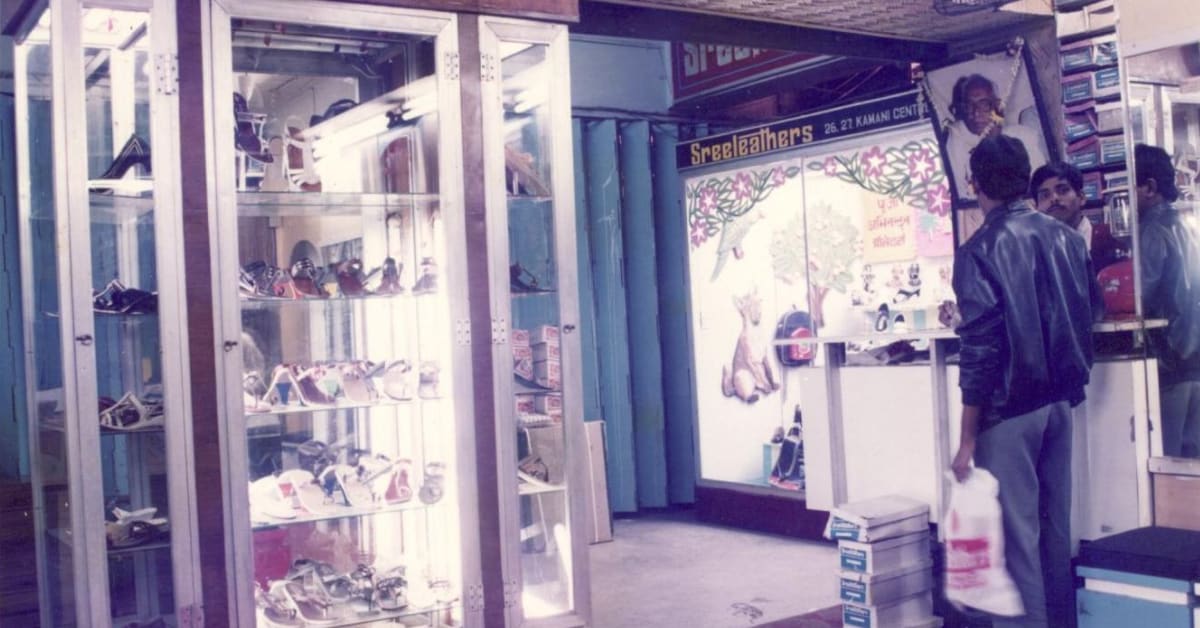
A family's cat-shaped kettle becomes a timekeeper across generations. A teakwood crocodile travels from Burma to India. An Urdu family tree brings a grandfather and grandson closer together.
These aren't just objects. They're memory keepers, story holders, and bridges between generations that might otherwise lose their connection to the past.
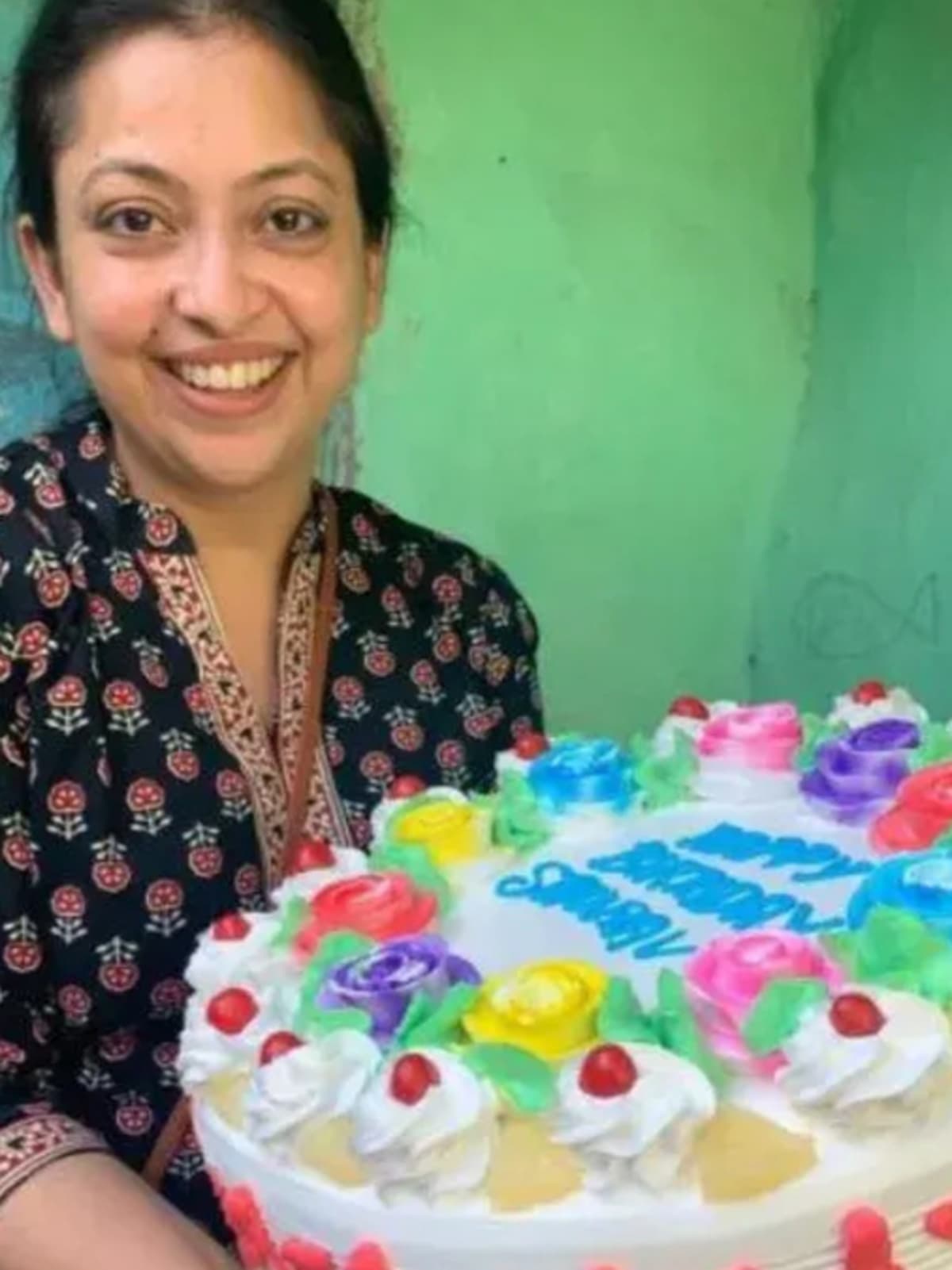
In 2017, oral historian Aanchal Malhotra and development consultant Navdha Malhotra launched the Museum of Material Memory to give these treasures a permanent home. The digital archive invites families to submit their heirlooms and tell the stories behind them in their own words.
"The museum aims to allow people to tell their own stories," Aanchal explains. "It is a collective endeavor, an attempt to create an organic archive of material culture built through a crowdsourced community."
The process isn't quick or simple. Some stories take months to complete, like the tale of the five-foot Burmese crocodile sculpture. Writer Rajita Banerjee and Aanchal spent five months researching crocodile symbolism in Burma, migration patterns between Bengal and Burma, and wartime history to understand why someone would transport such an unusual object across seas.
Today, the museum houses 187 stories. Each one required contributors to become investigators, reaching out to grandparents, aunts, and extended family to piece together fragments of memory.
The Bahl family tree shows how this works. Raunaq Bahl and his grandfather bonded over learning Urdu together. When Raunaq's mother found a photocopied family tree written in Urdu during spring cleaning, it became a project that connected three generations through language, history, and shared discovery.
Why This Inspires
The magic happens in living rooms and kitchen tables across the country. Younger family members start asking questions, and older relatives light up sharing stories they assumed nobody cared about anymore. Objects that sat silent in cabinets for decades suddenly have voices again.
"Everything that can seem so ordinary is extraordinary in certain ways," Navdha says. The documentation process keeps uncovering surprising narratives, proving that every family has stories worth preserving.
The museum recognizes something important: if these stories aren't told now, they disappear forever. Paper fades, memories dim, and generations pass. But when families take time to document their heirlooms, they create permanent bridges between past and future.
Every submission does more than preserve one family's history. It adds to a growing tapestry of how ordinary people lived, loved, traveled, and treasured across decades and continents.
The museum proves that history isn't just about famous people or major events. Sometimes it's about a kettle shaped like a cat, carefully guarded and dearly loved, passing from hand to hand with stories that make it priceless.
More Images
%2Fenglish-betterindia%2Fmedia%2Fmedia_files%2F2026%2F04%2F14%2Fnavdha-malhotra-and-aanchal-malhotra-2026-04-14-18-25-15.jpeg)
%2Ffilters%3Aformat(webp)%2Fenglish-betterindia%2Fmedia%2Fmedia_files%2F2026%2F04%2F14%2Fmuseum-of-material-memory-2-2026-04-14-18-27-15.jpg)
%2Ffilters%3Aformat(webp)%2Fenglish-betterindia%2Fmedia%2Fmedia_files%2F2026%2F04%2F14%2Fmuseum-of-material-memory-3-2026-04-14-18-29-52.jpg)
Based on reporting by The Better India
This story was written by BrightWire based on verified news reports.
Spread the positivity!
Share this good news with someone who needs it