2-Year-Old Walks Again After Severed Spinal Cord Surgery
When doctors across Europe said a toddler's severed spinal cord was unsurvivable, University of Chicago surgeons performed a surgery that not only saved his life but helped him move again. Now their breakthrough techniques are giving hope to paralyzed patients worldwide.
📺 Watch the full story above
Two-year-old Oliver's spine was completely severed from his skull in a car accident while vacationing in Mexico with his family. Experts in Germany told his parents there was no hope for survival.
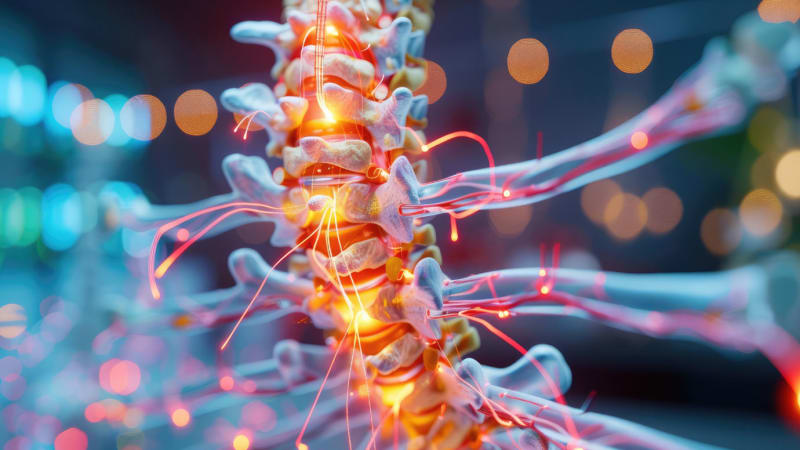
But Dr. Mohamad Bydon, Chair of Neurological Surgery at the University of Chicago, saw a possibility others missed. He and his team performed an extraordinary multi-stage surgery to reattach Oliver's severed spinal cord to his skull.
The surgery itself was a feat, but what happened next amazed even the doctors. Within weeks, Oliver began showing signs of movement in his hands and feet.
At first, surgeons thought they were seeing simple reflexes. Then they asked Oliver to squeeze their hands, and he did it on command.
Today, Oliver can breathe on his own, talk, and move his fingers and toes. His recovery is helping rewrite what doctors thought was possible for spinal cord injuries.
Dr. Bydon's work extends far beyond Oliver's case. At UChicago Medicine, he's pioneering stem cell therapy that has helped paralyzed patients regain movement and even walk again after devastating injuries.
Not long ago, spinal cord injuries were considered fatal. Most people didn't survive beyond the first year.
Now, minimally invasive techniques, robotic surgery, and AI are making these complex procedures safer than ever. Dr. Bydon believes these technological advances represent the future of spinal surgery.
Why This Inspires
Oliver's story shows how refusing to accept "no hope" can change everything. His surgeons looked at a case deemed impossible and asked "what if?" instead of "why bother?"
Their willingness to try has given one family their son back. It's also advancing techniques that could help thousands of spinal cord injury patients who currently face paralysis.
The breakthrough isn't just about one miraculous surgery. It's about how innovation in one operating room can ripple outward, creating new possibilities for patients everywhere who've been told nothing can be done.
Every medical advance starts with someone willing to push past what's considered possible.
More Images




Based on reporting by Google News - New Treatment
This story was written by BrightWire based on verified news reports.
Spread the positivity!
Share this good news with someone who needs it