200+ Aboriginal Rangers Unite at South Australia's First
Over 200 Aboriginal rangers from 29 groups across South Australia gathered for the state's first-ever Indigenous Land and Sea Ranger Conference. Young rangers are becoming role models in their communities while protecting native species and restoring ecosystems their elders remember.
When 200 Aboriginal rangers from across South Australia came together for the first time, something powerful happened beyond the training sessions and wildlife talks.
Young rangers who started their careers just three years ago now stand taller in their uniforms, inspiring the next generation to follow in their footsteps. The historic South Australian Aboriginal Land and Sea Ranger Conference brought together 29 Indigenous ranger groups from nearly every corner of the state.
Brendan Kartinyeri represents this new wave of environmental guardians. After completing his conservation certificate in high school, he now works as a Ngarrindjeri ranger around the Coorong, following his father's path as a cultural ranger.
"The old uncles, they talk about how when they were younger the lake used to be clear," Kartinyeri said. "You could walk in, see your feet. But I pretty much grew up with a muddy lake." His work focuses on reducing European carp and other invasive species to help restore what elders remember.
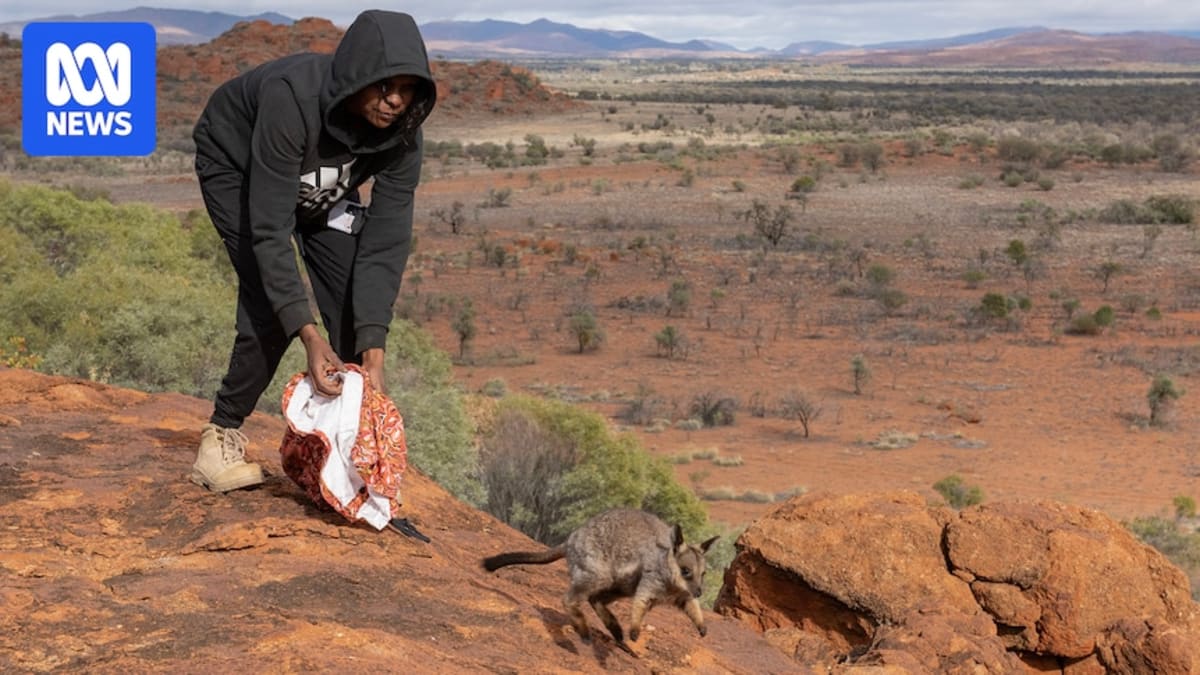
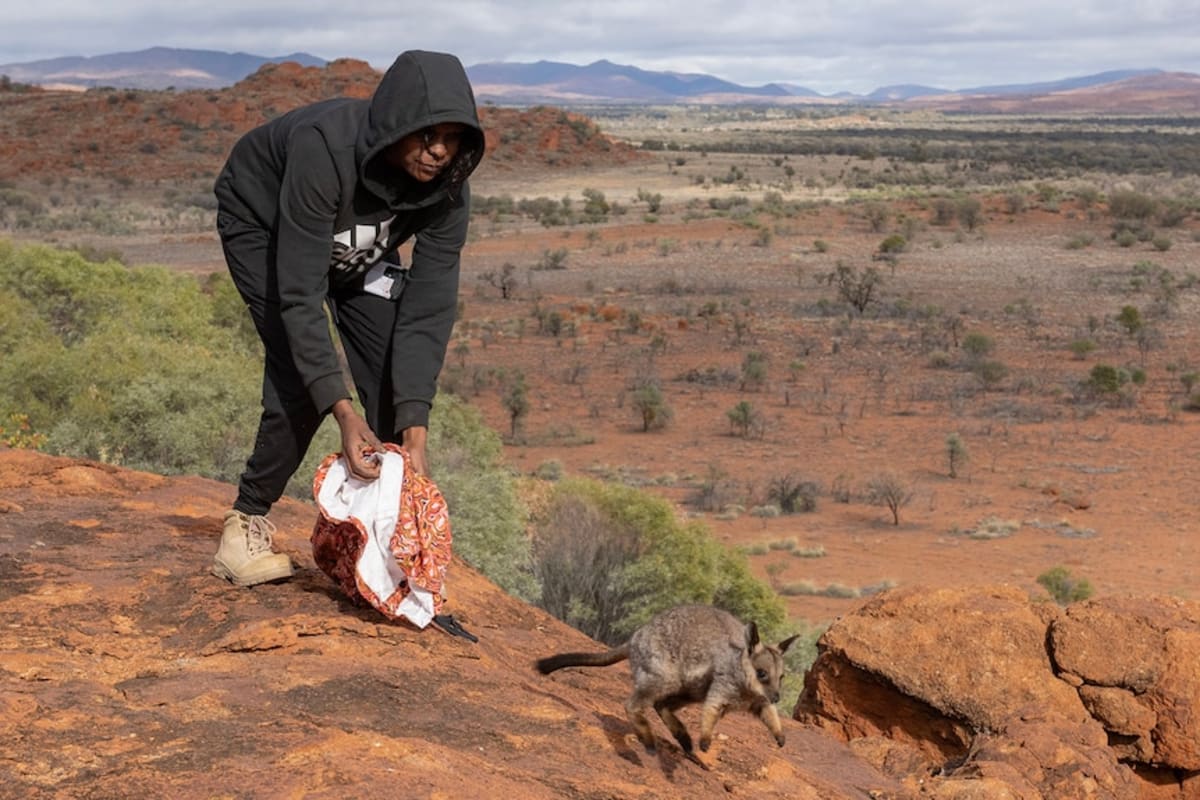
The rangers' wins are mounting across the state's vast landscapes. In the desert country, teams have successfully brought back the warru (black-footed rock wallaby) to areas where it had vanished. Along the coast, rangers monitor shorebirds and work with universities to reestablish native fish species.
The Ripple Effect
The conference revealed how ranger programs create change far beyond environmental protection. Kim Krebs from the Alinytjara Wiluṟara Landscape Board watched young rangers transform into mentors. "You can't be what you can't see and that's what we're trying to create here," she said.
The federal government recently announced funding for 82 new ranger projects nationwide, ensuring more young people will have these career paths. Rangers manage areas stretching over 250,000 square kilometers, protecting culturally important sites and native species.
The challenges remain real. Ranger Cameron Clarke recently worked to protect vulnerable fairy tern eggs from beach traffic, only to find foxes destroyed 152 of 159 nests. "I was really devastated," he said. "But the work continues. Every little effort helps them."
These rangers blend traditional knowledge with modern conservation science, funded through federal and state support. More importantly, they work from the heart to care for Country and pass healthy ecosystems to future generations.
The young rangers returned home from the Adelaide Hills conference carrying new knowledge and renewed purpose for the restoration work ahead.
More Images


Based on reporting by ABC Australia
This story was written by BrightWire based on verified news reports.
Spread the positivity!
Share this good news with someone who needs it