2,000-Year-Old Coin Used as Bus Fare Found in Leeds
A grandfather who collected coins from Leeds buses in the 1950s unknowingly saved a 2,000-year-old Carthaginian relic. His grandson just donated the ancient treasure to a local museum after finally solving its mysterious origins.
Imagine dropping a priceless artifact into a bus fare box, never knowing you just paid for your ride with a piece of ancient history.
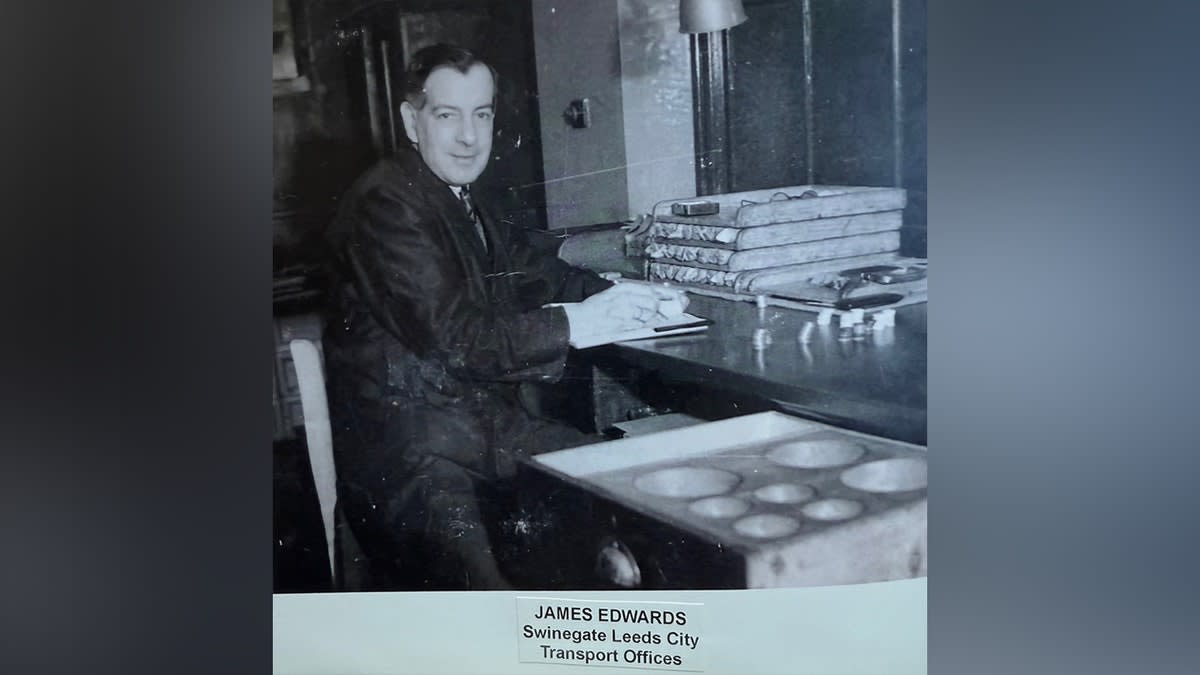
That's exactly what happened in 1950s Leeds, England, where a coin from the Carthaginian empire ended up in the day's transit earnings. James Edwards, who counted bus and tram fares for Leeds City Transport, noticed the unusual coin and took it home along with other foreign or counterfeit currency that couldn't be cashed.
Edwards passed the mysterious coin to his grandson Peter, who kept it in a wooden chest for decades. Neither were serious coin collectors, but something about this particular piece captivated them.
"The coin always fascinated me because it was hard to decipher where it came from," Peter Edwards, now 77, recently told city officials. The coin's worn surface and unfamiliar imagery made its origins difficult to trace.
After years of curiosity, Peter finally researched the coin's background and made a stunning discovery. The artifact dates back to the first century B.C. and was produced in what is now Cadiz, Spain, during the era of Carthage, the ancient North African civilization that flourished from roughly 800 B.C. to 146 B.C.
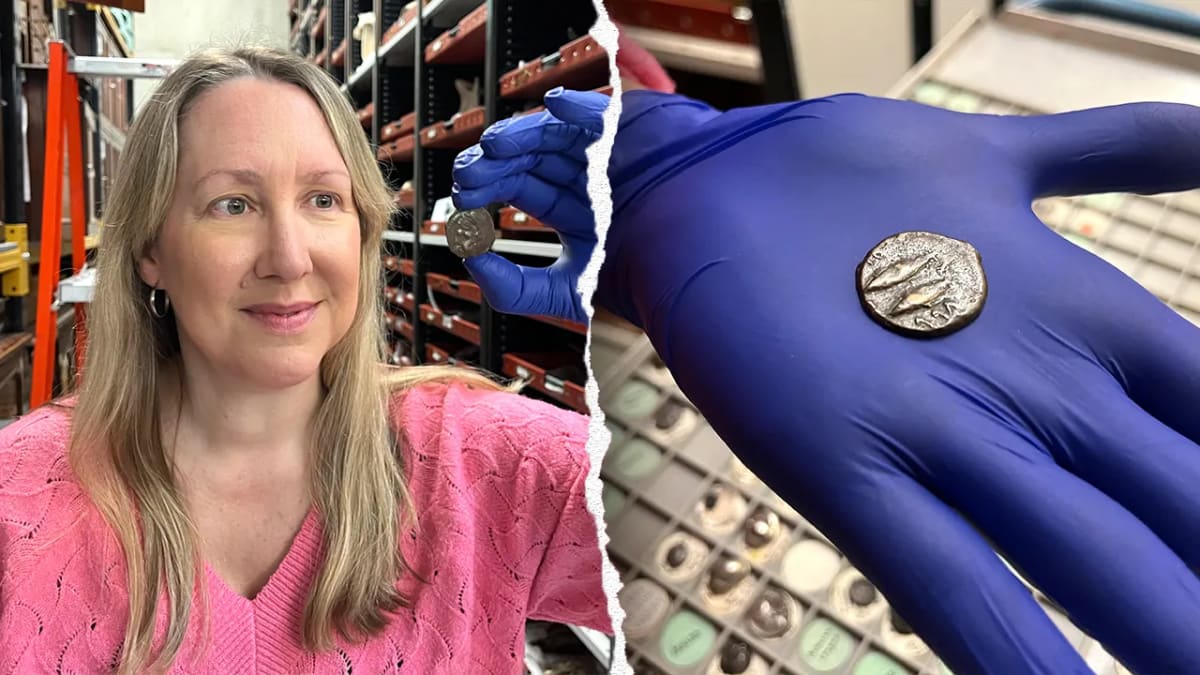
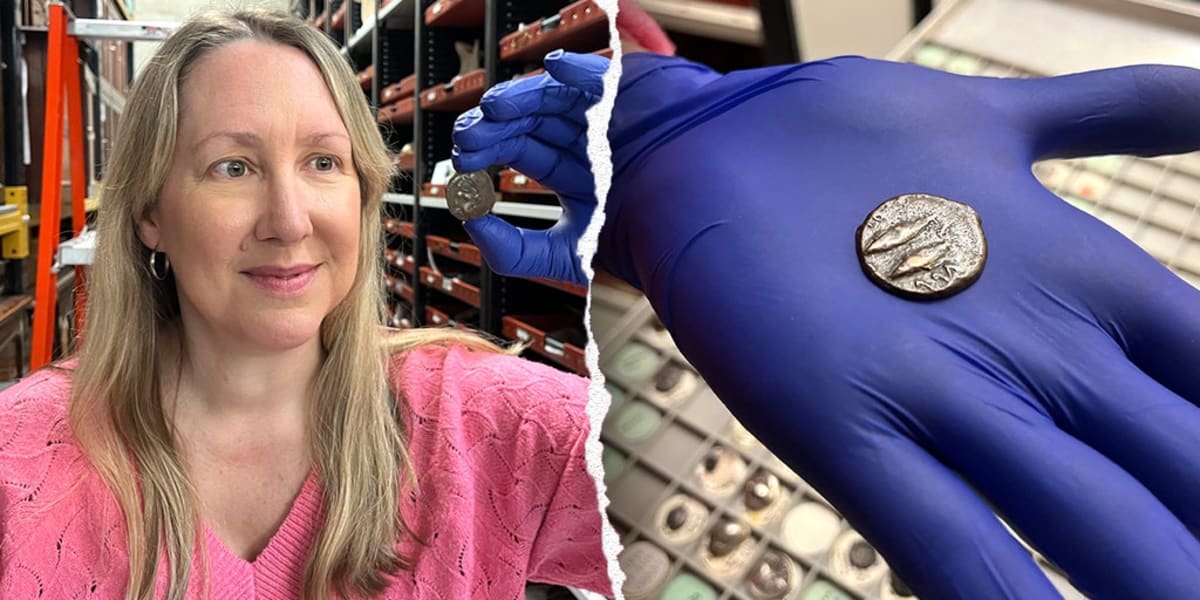
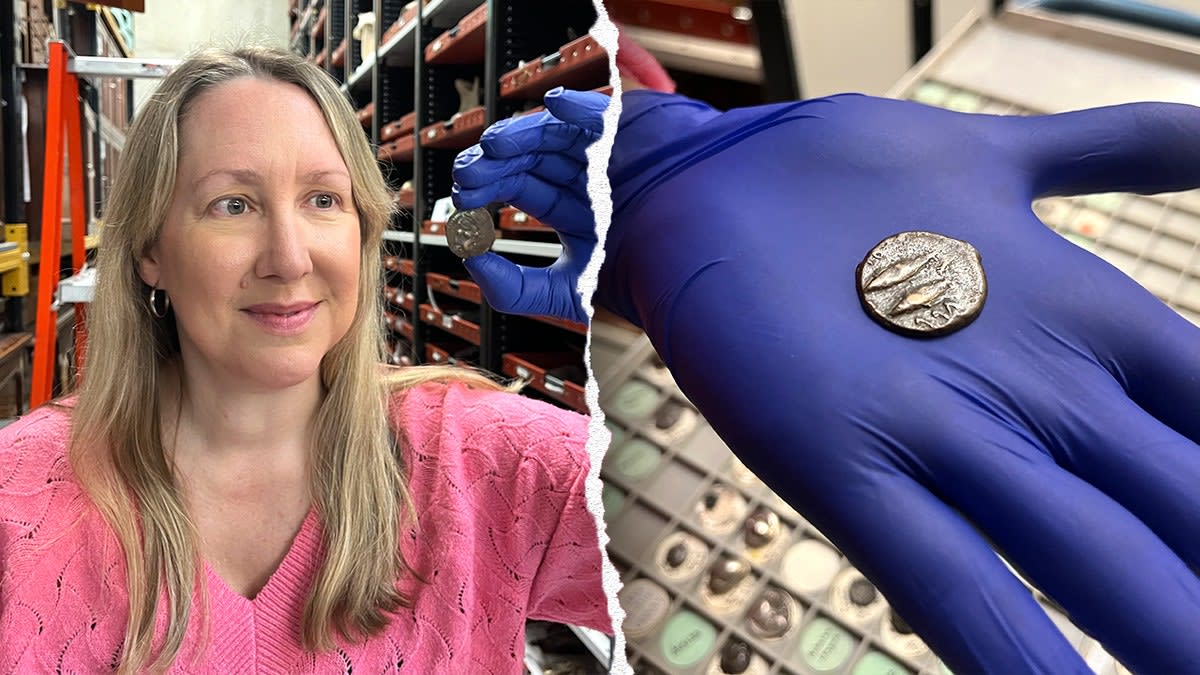
The coin bears the image of Melqart, the Phoenician god who was the counterpart of Hercules. At that time, Phoenician coins often featured Greek imagery to make them more attractive to international traders.
Peter donated the coin to Leeds Discovery Center, a free museum that houses coins and currency from cultures spanning thousands of years. Museum curators confirmed its authenticity by cross-referencing it with similar coins discovered previously.
Sunny's Take
The journey of this small bronze disc reminds us that treasures can hide in the most ordinary places. A routine bus ride. A grandfather's collection of rejected coins. A wooden chest tucked away for decades.
How the Carthaginian coin traveled from ancient Spain to a Leeds bus in the 1950s remains a mystery. Museum officials speculate a soldier may have brought it back, but they'll never know for certain.
Peter Edwards believes his grandfather would be proud to see the coin return to Leeds, this time as a recognized piece of history rather than rejected bus fare.
Sometimes the best stories are the ones we carry with us for years before we understand their true value.
More Images
Based on reporting by Fox News Latest Headlines (all sections)
This story was written by BrightWire based on verified news reports.
Spread the positivity!
Share this good news with someone who needs it

%2Fhttps%3A%2F%2Ftf-cmsv2-smithsonianmag-media.s3.amazonaws.com%2Ffiler_public%2F12%2F05%2F120524e1-9e51-48cf-8d22-2d033533e6ef%2Fodyssey-fragment.png)