2,000-Year-Old Greek Theater Mask Found in Croatian Cave
Archaeologists discovered an ancient Greek theatrical mask in a Croatian cave that served as a Bronze Age shelter, necropolis, and Illyrian sanctuary for thousands of years. The find reveals how local communities blended Greek culture with their own religious practices along the Adriatic coast.
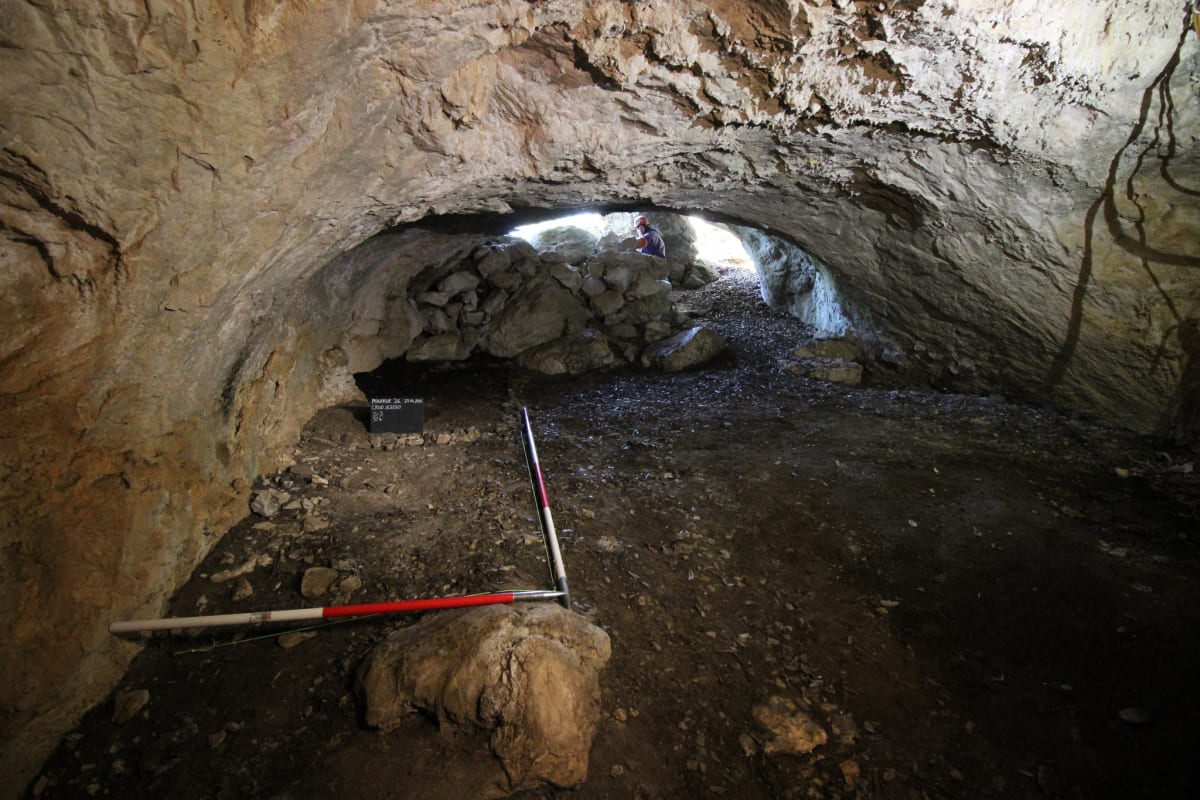
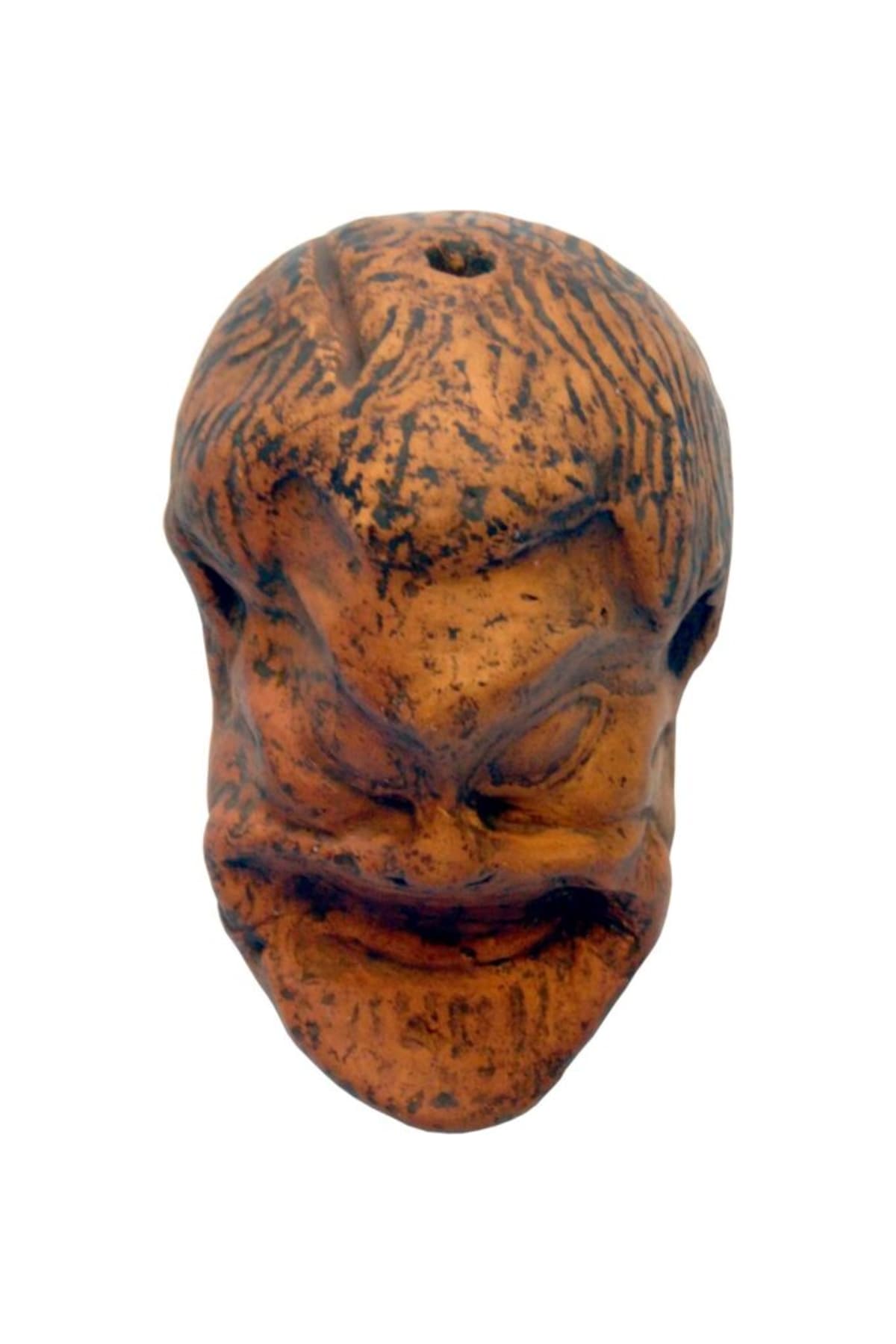
A complete Greek theater mask more than 2,000 years old has been unearthed in a Croatian cave that tells thousands of years of human history.
Archaeologists from Dubrovnik Museums found the terracotta mask during excavations at Crno Jezero Cave on the Pelješac peninsula this spring. The hollow mask, dated to the 4th or 3rd century BC, features a small hole at the top where it likely once hung on a wall.
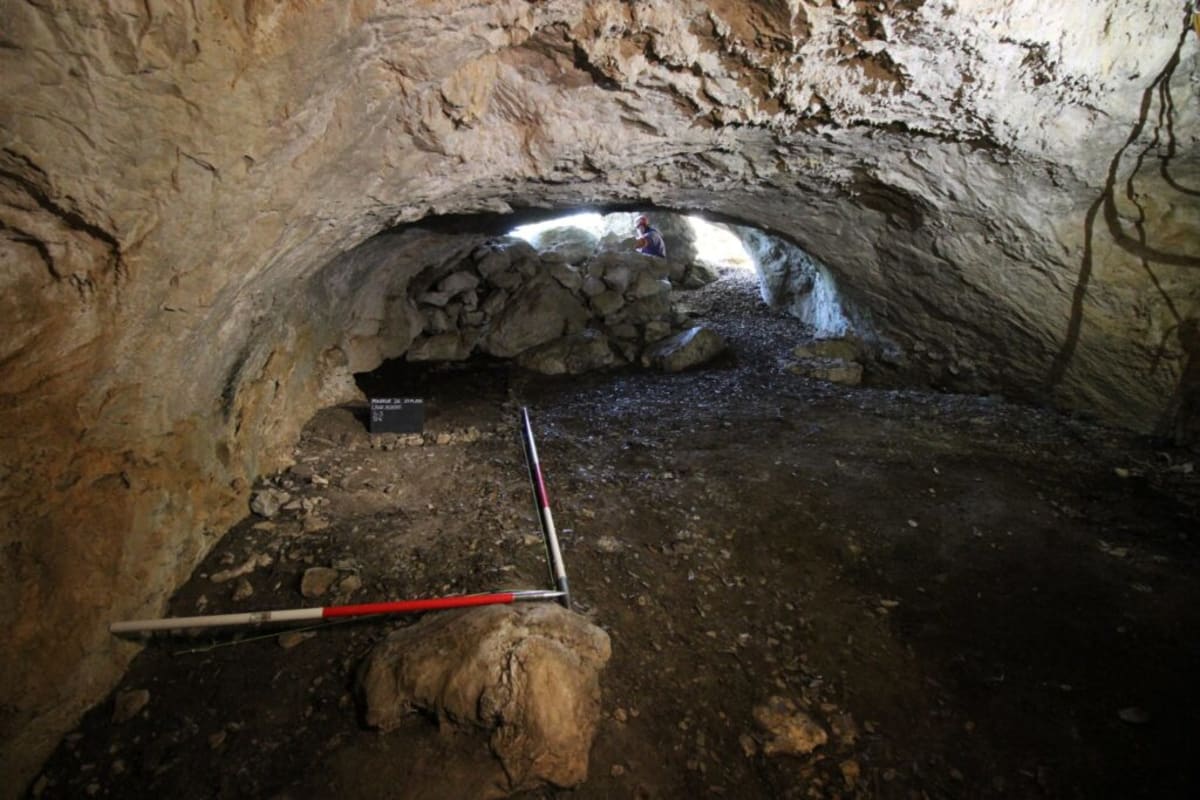
The location makes this discovery especially remarkable. The mask was found in a hidden side section of the cave that had remained blocked and protected for millennia, preserving it in unusually good condition.
Domagoj Perkić, who led the research, described the scene as frozen in time for over two thousand years. The mask appears to have remained exactly where ancient people placed it during ritual ceremonies.
In ancient Greece, theatrical masks were deeply connected to Dionysus, the god of theater, wine, and transformation. The mask wasn't just art or entertainment but a sacred object used in religious practice.
Crno Jezero Cave has an extraordinary timeline stretching back thousands of years. During the Bronze Age around 2000 BC, people used it as a temporary shelter during conflicts or harsh weather.
From roughly 1012 to 481 BC, the cave became a burial ground serving as a necropolis for more than five centuries. Then from the late 4th century to the middle of the 1st century BC, it transformed into an Illyrian sanctuary.
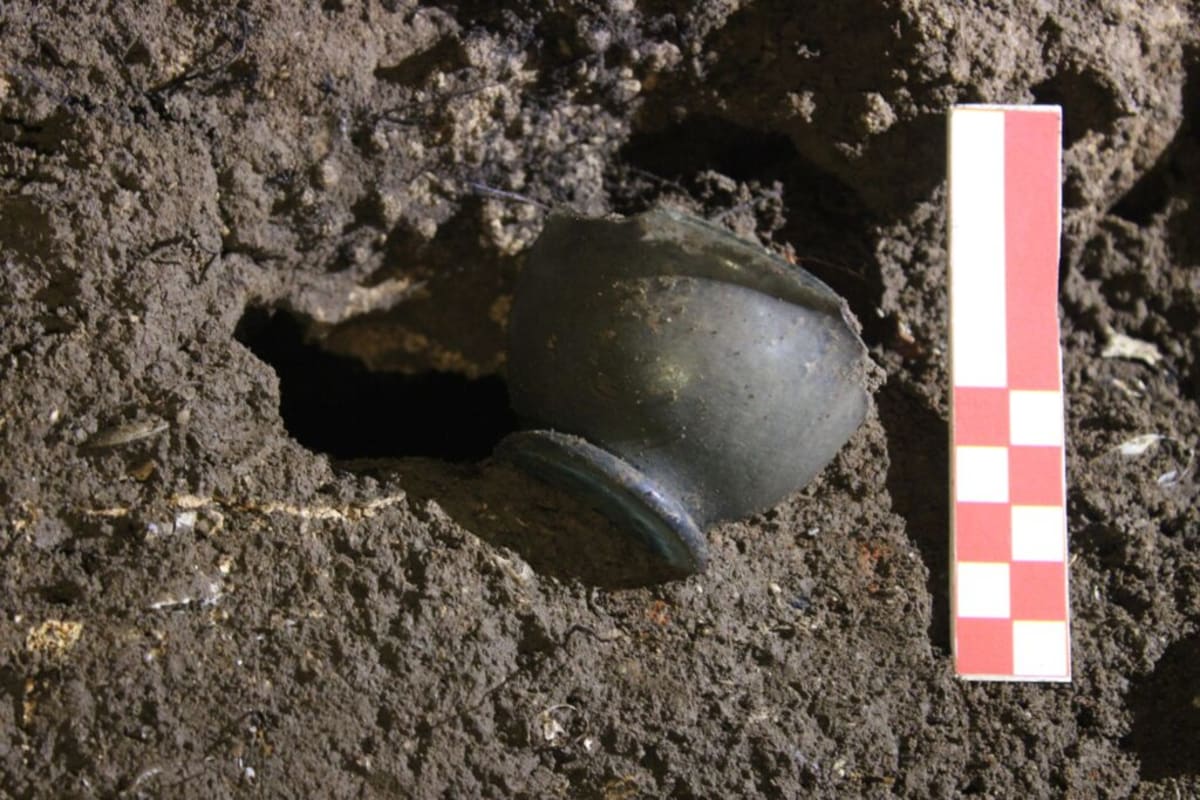
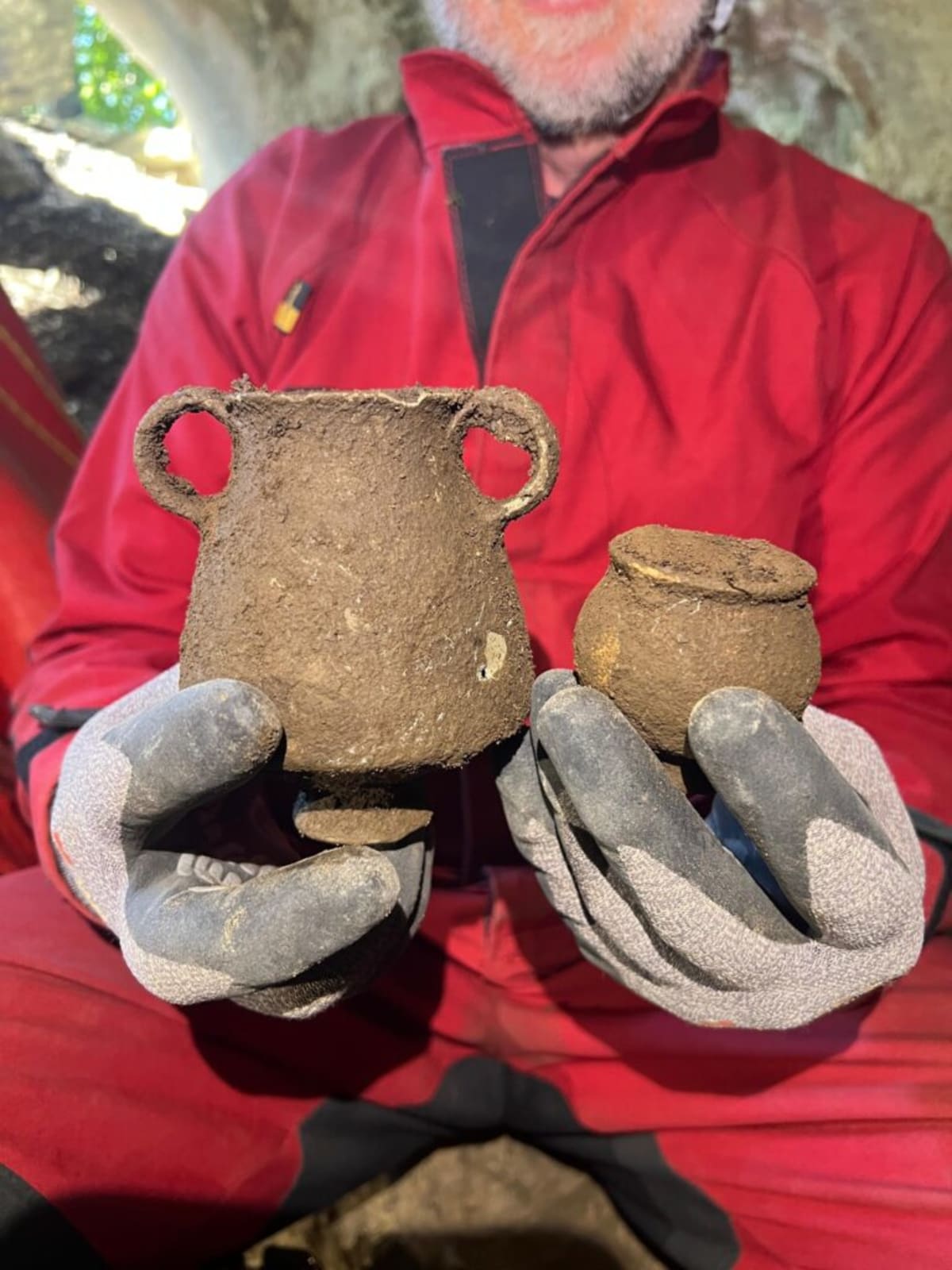
This sanctuary phase revealed numerous miniature vessels including Greek amphorae, bowls, and wine containers. These weren't everyday household items but valuable objects left as religious offerings, representing wealth and connections to the Greek world.
The Ripple Effect
The mask reveals something beautiful about cultural exchange in the ancient world. Local Illyrian communities didn't simply copy Greek culture but carefully selected symbols and practices that resonated with their own beliefs.
They blended Greek objects like theater masks and wine vessels with their indigenous religious traditions, creating something uniquely their own. This cross-cultural dialogue happened peacefully through trade, contact, and mutual respect along the Adriatic coast.
Crno Jezero is one of three known Illyrian sanctuaries near Dubrovnik, offering researchers a rare window into how different civilizations influenced each other. Together, these sites show that ancient communities were more connected and collaborative than we often imagine.
The small terracotta mask tells a large story about human creativity, adaptation, and the timeless desire to honor the sacred through art and ritual.
More Images
Based on reporting by Google: archaeological discovery
This story was written by BrightWire based on verified news reports.
Spread the positivity!
Share this good news with someone who needs it