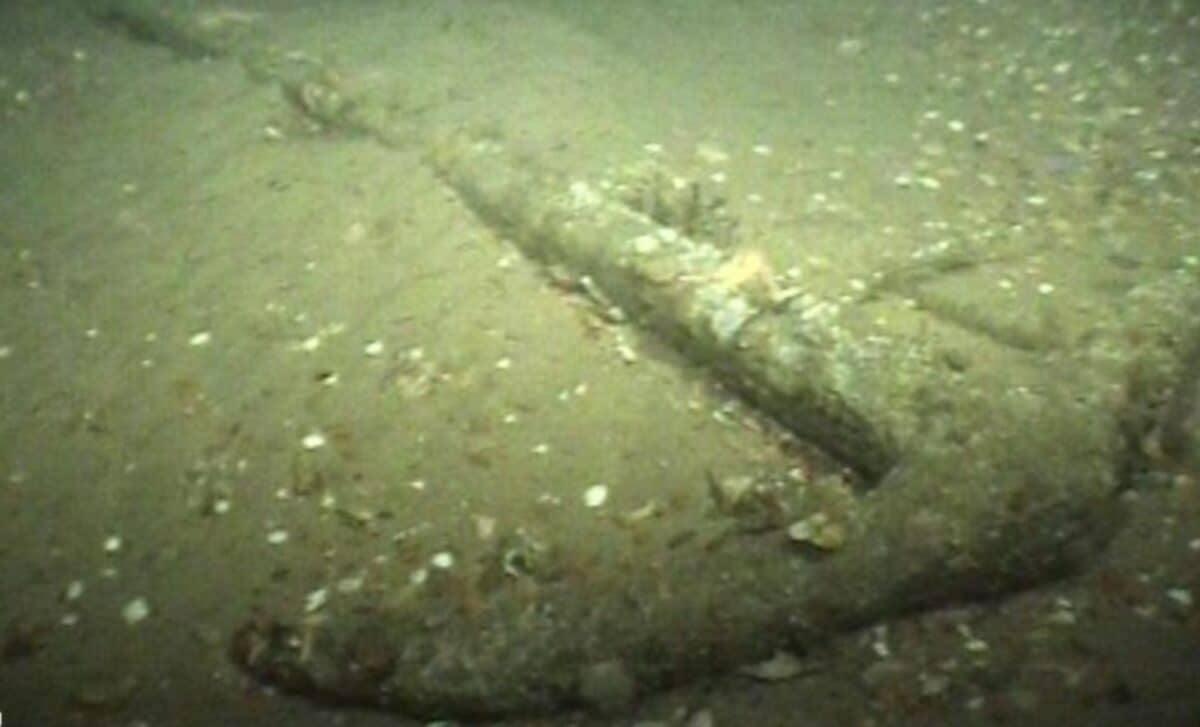
2,000-Year-Old Roman Anchor Found Perfectly Preserved in Sea
A Roman anchor buried under sand in the North Sea for nearly 2,000 years has stunned archaeologists with its remarkable preservation. The rare wooden and iron anchor reveals ancient trade routes were far busier than previously known.
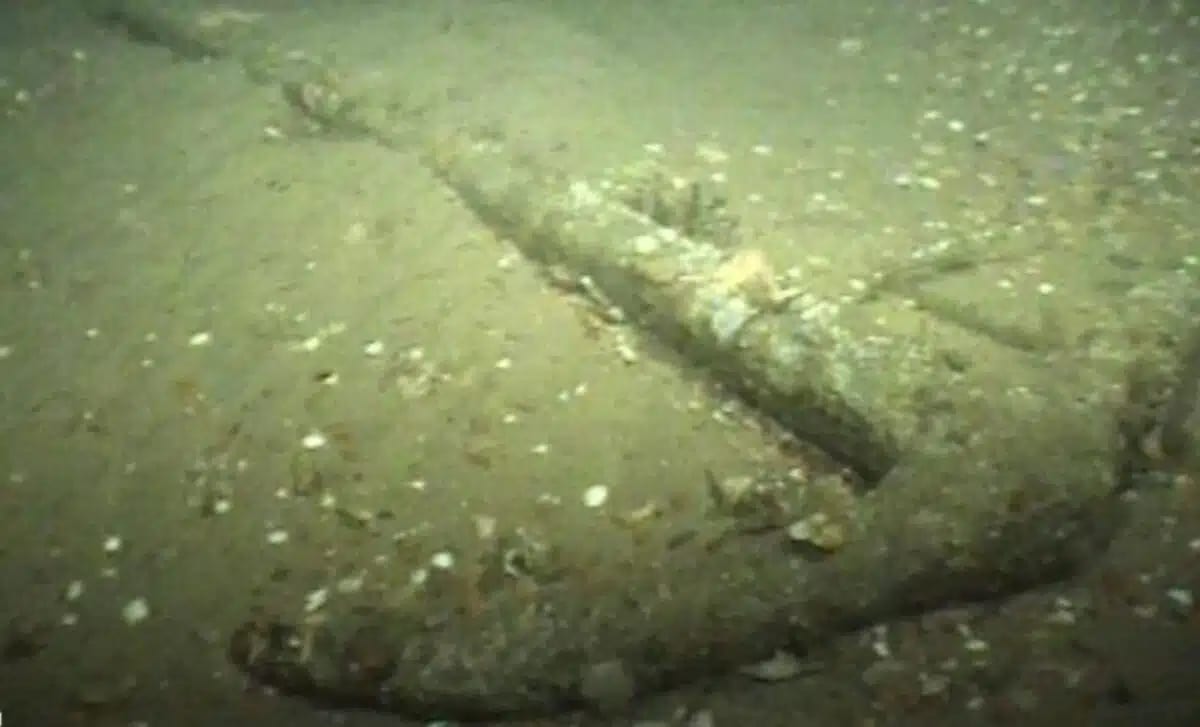
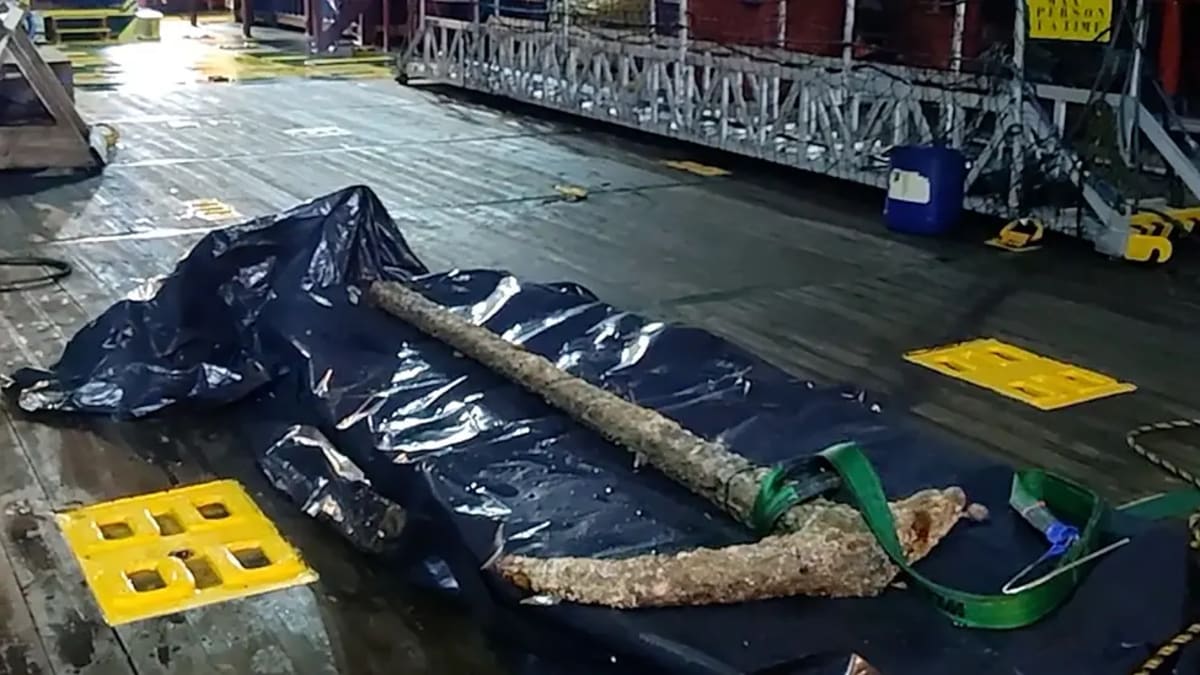
A 2,000-year-old anchor has emerged from the North Sea in stunning condition, protected by sand for centuries while countless others decayed around it.
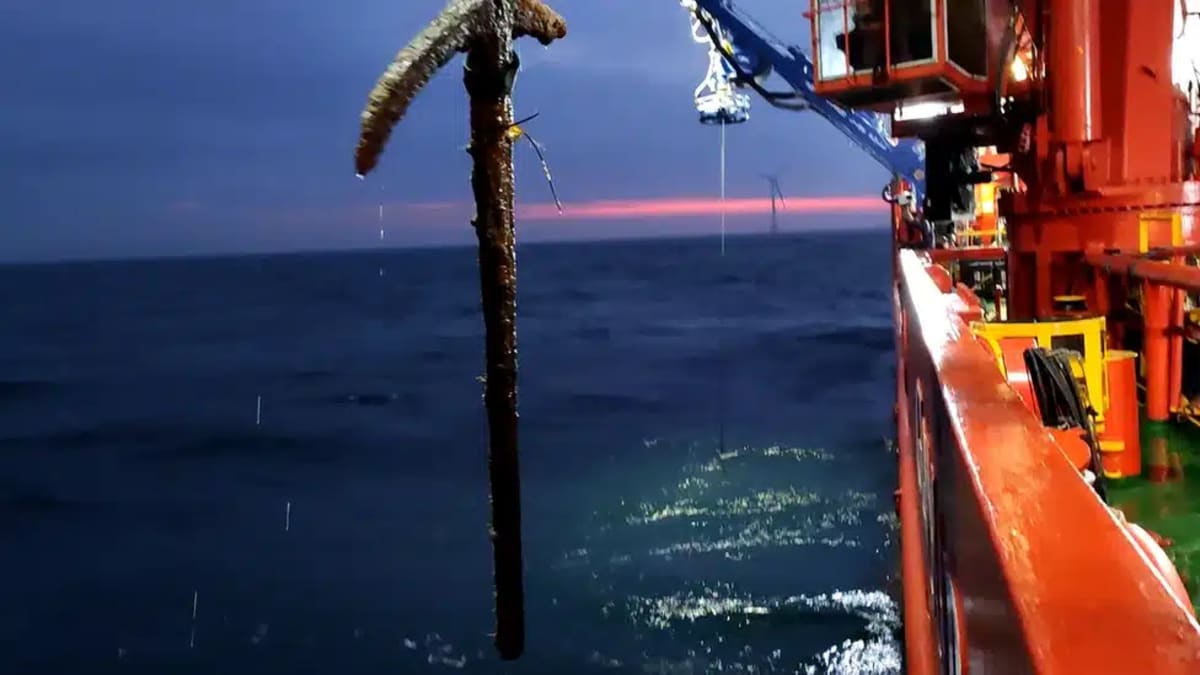
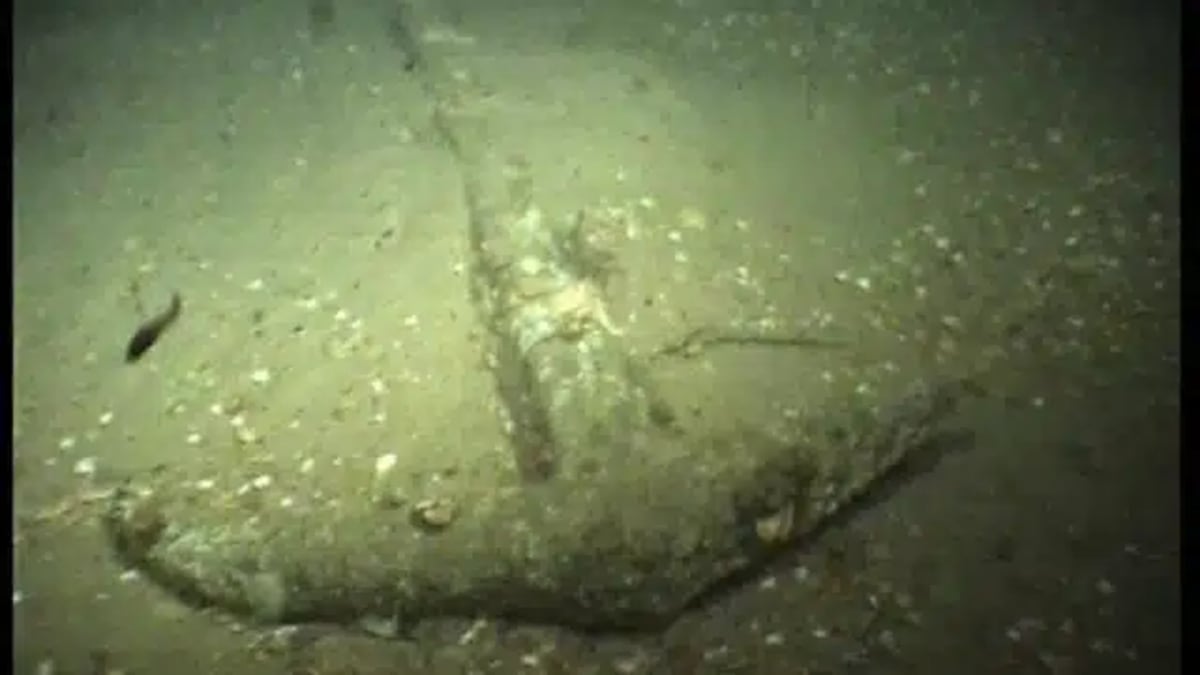
The wooden and iron anchor was discovered off the UK coast during a seabed survey in 2018 and carefully recovered in 2021. Materials like wood and iron typically break down quickly underwater, making this level of preservation exceptionally rare.
What saved this ancient artifact was its burial beneath thick layers of sand. The sediment blocked oxygen and shielded the anchor from strong currents that normally speed up decay.
"Everything points to this being a Roman anchor of almost 2,000 years old, which is an incredibly rare piece of history," said Brandon Mason, a maritime archaeologist. Only three pre-Viking anchors from northern European waters outside the Mediterranean are known to exist, and just two have survived until now.
The anchor's design shows practical Roman engineering at work. Iron components added weight to hold ships in place, while wooden parts held the structure together in a simple but effective system.
This wasn't just any ship. The anchor likely belonged to a trading vessel carrying goods like metal and pottery across the North Sea, proving these waters were much busier in ancient times than historians realized.
The Ripple Effect
Modern sonar technology made this discovery possible by detecting objects hidden deep beneath layers of seafloor sediment. Stuart Churchley from Historic England called the find "testament to the careful and methodical steps taken" during the survey, noting this area of the North Sea has now been mapped more thoroughly than ever before.
The discovery changes our understanding of ancient maritime activity. Ships were crisscrossing the North Sea nearly 2,000 years ago, connecting communities and economies long before modern shipping lanes existed.
"It's an absolute privilege to bring the anchor to the surface and to share its story with people not just across the East of England, but right around the world," Mason added.
There's still plenty more history waiting beneath the waves for the right technology to uncover.
More Images
Based on reporting by Google News - Science
This story was written by BrightWire based on verified news reports.
Spread the positivity!
Share this good news with someone who needs it