20,000 Penguins Airlifted to Safety After Oil Spill
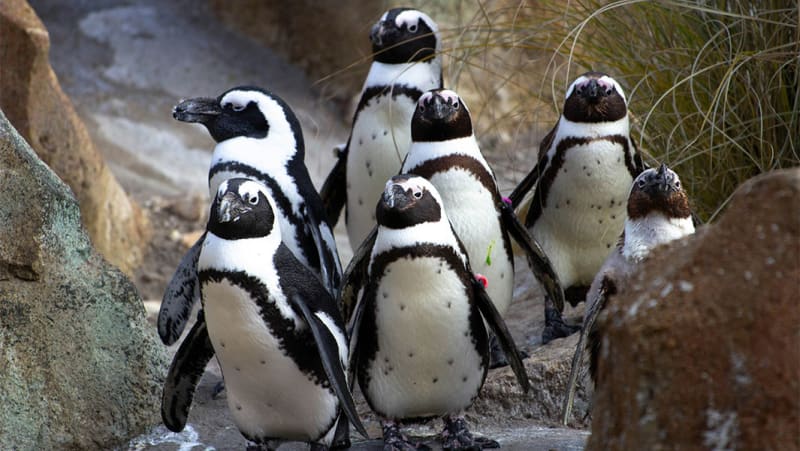
When a ship sank off South Africa in 2000, volunteers launched the largest penguin rescue in history. Over 12,500 people worked around the clock to save 76,000 oiled African penguins, washing each bird by hand.
📺 Watch the full story above
In June 2000, a ship called Treasure sank near two small islands off South Africa's western coast, spilling oil into waters home to tens of thousands of African penguins. What happened next became the largest wildlife evacuation operation ever recorded.
The oil spread quickly, coating 76,000 penguins and threatening their survival. Within days, rescue teams from around the world descended on Cape Town to help.
Dyan deNapoli, known as "The Penguin Lady," led a team of eight penguin experts from the United States. Together with local conservationists, they airlifted between 15,000 and 20,000 penguins to cleaner waters 500 miles away in Algoa Bay.
A temporary rescue center sprang up almost overnight to handle the massive influx of oiled birds. Salt River Penguin Rescue Centre worked alongside SANCCOB, a local seabird conservation organization, though both facilities quickly exceeded capacity.
The last time something similar happened six years earlier, only half the affected penguins survived. This time, volunteers were determined to do better.
More than 12,500 volunteers showed up to help wash penguins by hand. Each bird required 30 minutes of degreasing followed by hot soapy baths until the water ran completely clear.
The Ripple Effect spreads far beyond those critical weeks in 2000. The rescue proved that large-scale wildlife evacuations were possible, setting a new standard for oil spill response worldwide. The techniques developed during this operation now inform emergency protocols for seabird rescues across the globe. Perhaps most importantly, the effort united thousands of strangers around a common purpose, showing what humans can accomplish when we prioritize protecting vulnerable species.
The operation cost about $5.8 million and took weeks of intensive care. Once cleaned and healthy, the penguins were released in groups of 100, swimming back to their breeding islands.
The rescue succeeded beyond anyone's hopes, saving the vast majority of affected birds when previous disasters had killed half or more.
Based on reporting by Google News - World Record
This story was written by BrightWire based on verified news reports.
Spread the positivity!
Share this good news with someone who needs it
%2Ffile%2Fattachments%2Forphans%2FKrugerfloods-3_785220.jpg)