20,000 Women Save India's 'Bone-Swallower' Stork
Once feared and killed as a bad omen, India's endangered greater adjutant stork now thrives thanks to an all-female conservation army. Their population has quadrupled in just 15 years.
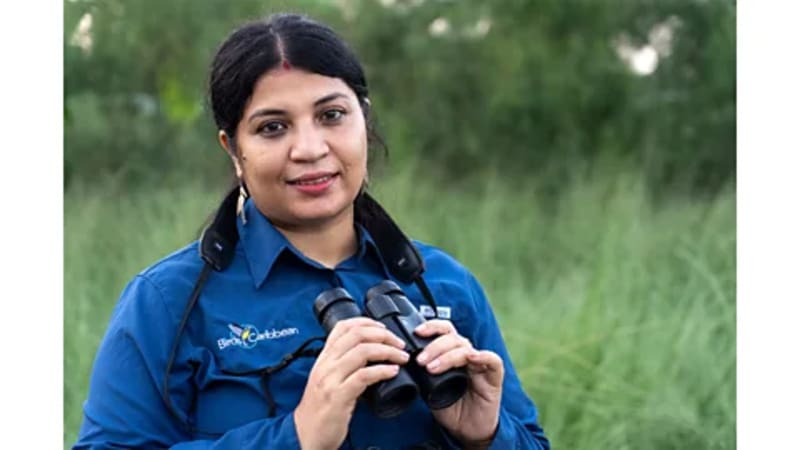
In 2007, biologist Purnima Devi Barman held a dying baby stork in her arms and felt its tiny heart beating against her chest. Villagers in Assam, India had just chopped down a massive tree, killing dozens of greater adjutant storks nesting inside because they believed the birds brought bad luck.
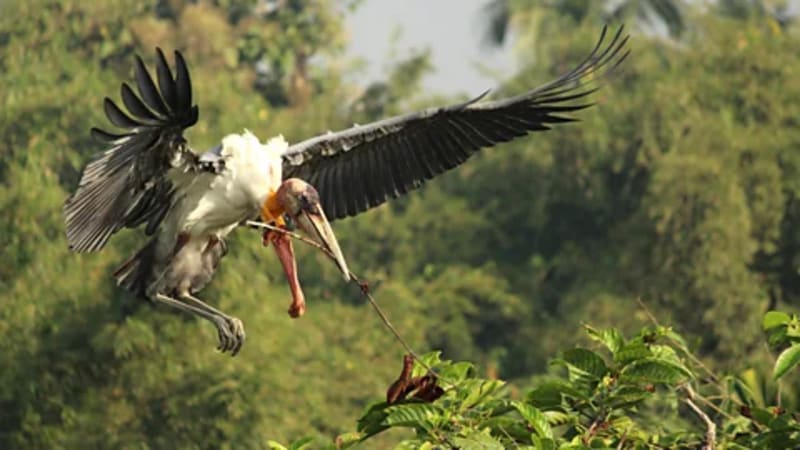
The greater adjutant stork stands five feet tall with striking black and white feathers. Locals call it the hargila, or "bone-swallower," because it scavenges carcasses and cleans up dead animals in wetlands.
For generations, these giant birds were hunted, feared, and killed. People hated their messy droppings and destroyed their nests on private property. Some communities even ate their meat, believing it cured leprosy.
The storks nearly disappeared from Asia entirely. By 2007, only 450 remained in Assam, pushing them toward extinction.
Barman knew science alone wouldn't save them. She needed to change hearts first.
She went door to door, village to village, speaking with local women. She asked them to imagine their own babies being stoned and killed. Many mothers couldn't shake that image.
Pratima Kalita Rajbongshi remembers throwing pebbles at the birds before attending one of Barman's meetings in 2009. "Purnima said when our babies are sick, we take care of them, but we torture the bird and its babies," she recalls. That day, she joined what would become the Hargila Army.
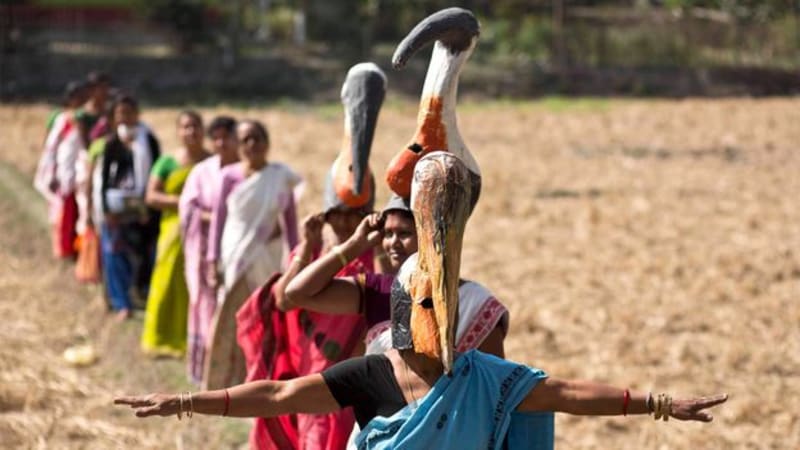
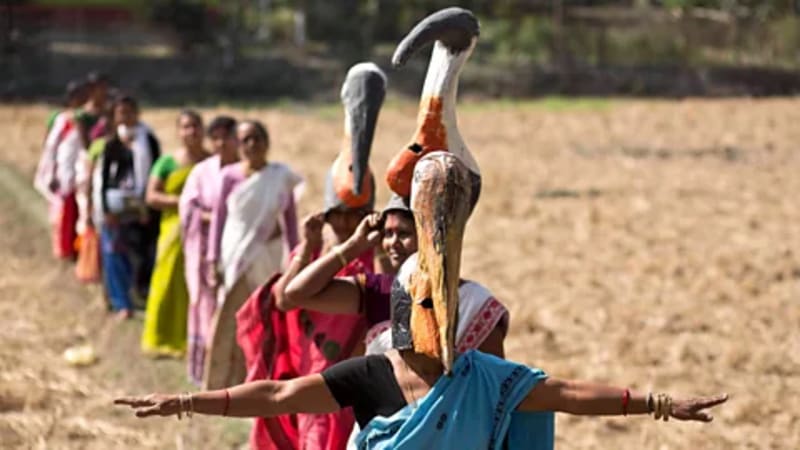
The all-female conservation group started small but grew quickly. Women began weaving the stork's image onto traditional sarees and quilts. They dressed in giant bird costumes and danced at baby showers, transforming the hargila from a symbol of death into one of celebration and new life.
The Ripple Effect
Today, the Hargila Army numbers 20,000 women strong across eight regions. Their protection efforts have worked. The stork population in Assam has jumped to around 1,800 birds, quadruple what it was in 2007.
The storks still face threats, but they're no longer disappearing. Women monitor nesting sites, educate their communities, and celebrate each new generation of chicks.
These scavengers play a crucial role keeping wetlands healthy by cleaning up dead animals and preventing disease spread. Saving them means saving entire ecosystems.
What started with one woman holding a dying chick has become a movement proving that changing minds changes everything.
More Images

Based on reporting by BBC Future
This story was written by BrightWire based on verified news reports.
Spread the positivity!
Share this good news with someone who needs it