200,000 Volunteers Double Known Brown Dwarfs to 6,000
Amateur astronomers working from their laptops just discovered more than 3,000 brown dwarfs, doubling the number of these mysterious "failed stars" known to science. It's one of the biggest citizen science wins in astronomy history, proving you don't need a PhD to make cosmic discoveries.
Over 200,000 people with no formal astronomy training just doubled humanity's catalog of brown dwarfs by discovering more than 3,000 new ones from their kitchen tables.
These citizen scientists spent years scrolling through telescope images on a NASA platform called Backyard Worlds: Planet 9, searching for faint objects moving against the background of stars. What they found rewrote the cosmic census.
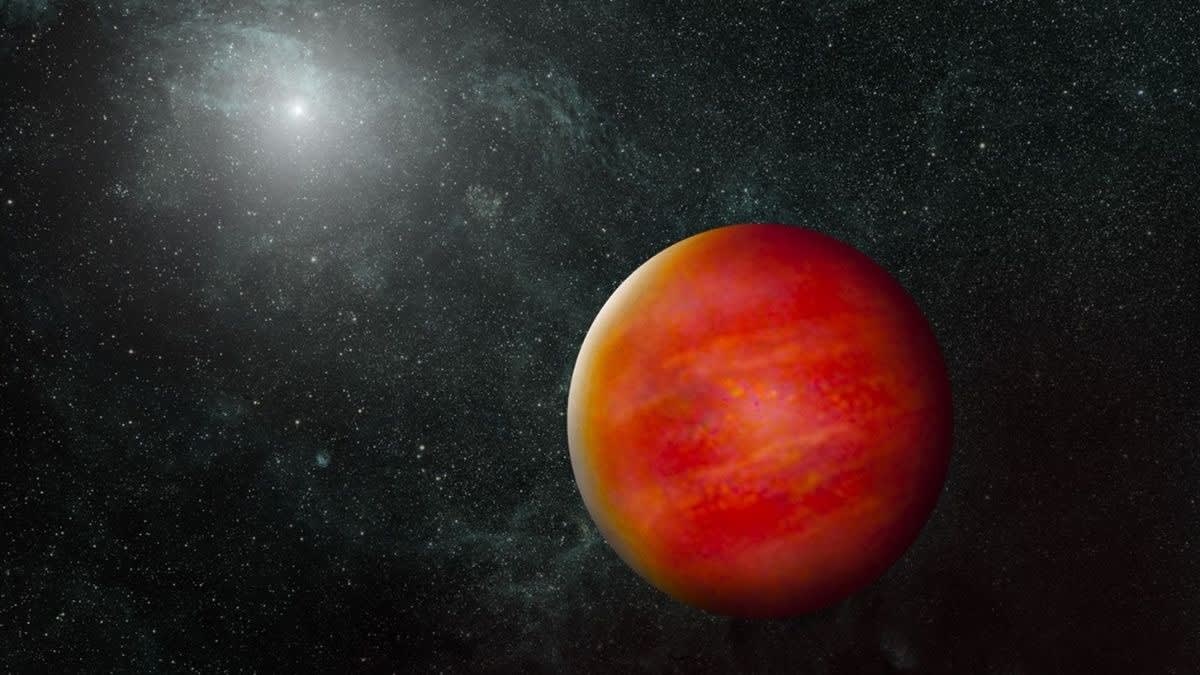
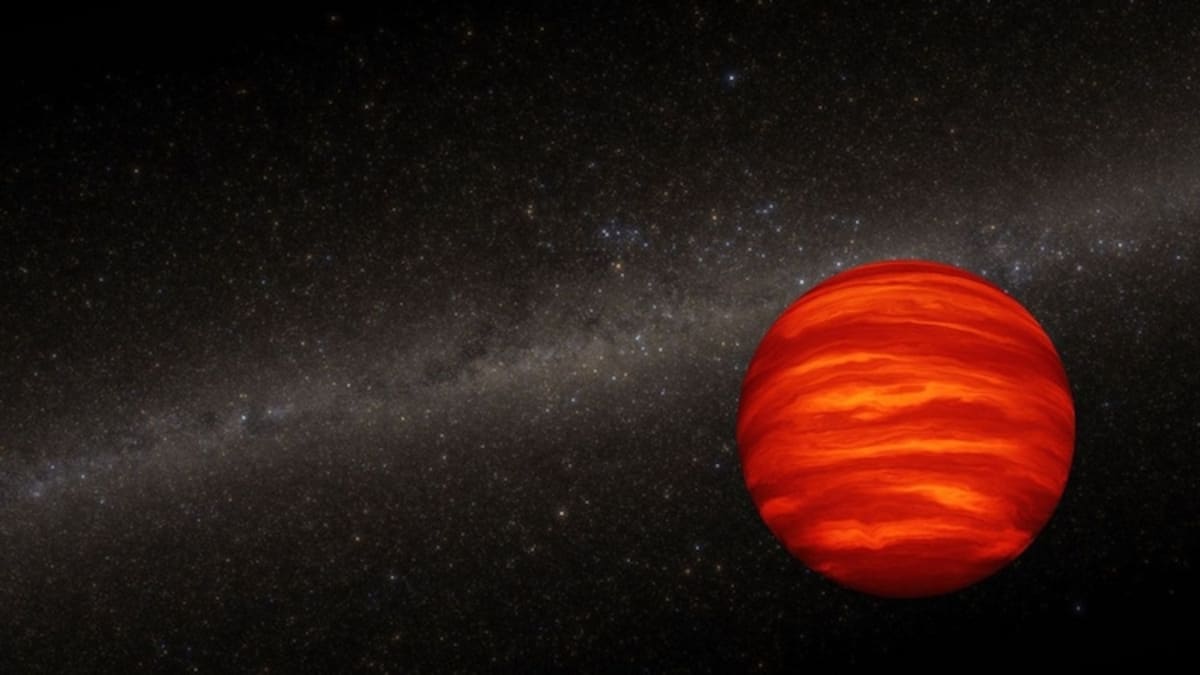
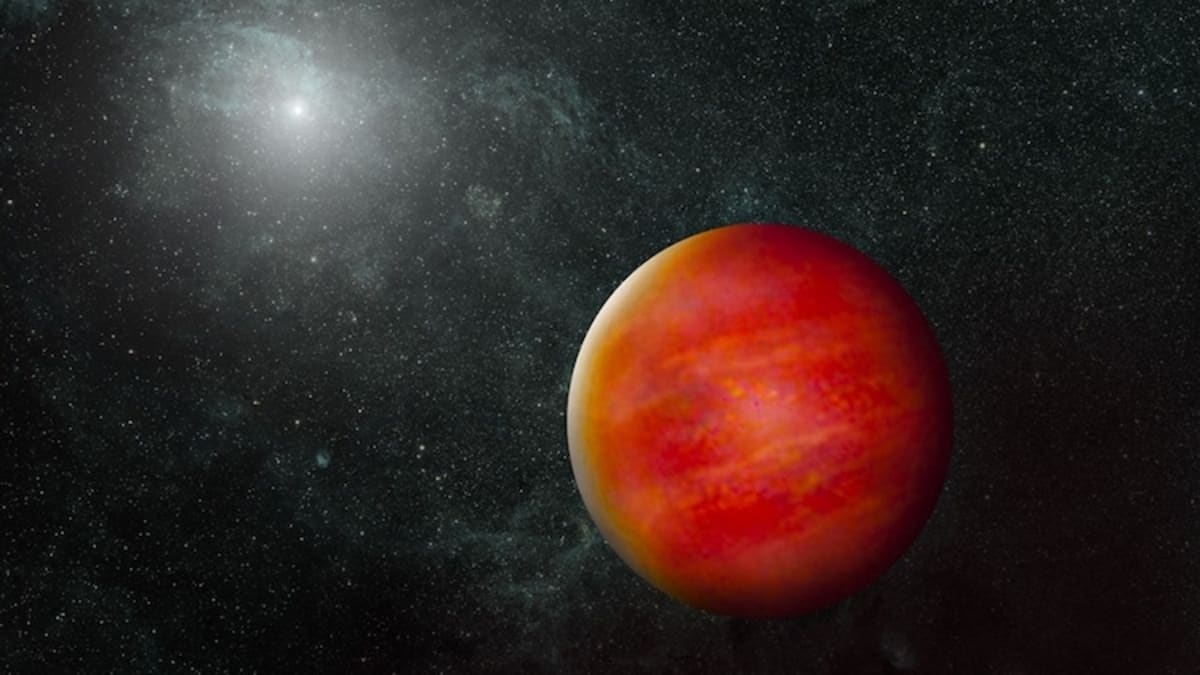
Brown dwarfs are the universe's in-betweeners. They form like stars when clouds of gas and dust collapse under gravity, heating up as they compress. But they never gather enough mass to ignite nuclear fusion, the process that makes stars shine.
The result is an object too big to be a planet and too small to be a star, glowing faintly in infrared light before cooling over millions of years. Scientists sometimes call them failed stars, though that undersells how fascinating they are.
The problem has always been finding them. Brown dwarfs are everywhere, roughly one for every three or four stars near our Sun, but they're so dim they're nearly invisible. It's like searching for dying embers scattered across a dark field the size of the galaxy.
That's where regular people came in. Using 16 years of infrared images from NASA's WISE and NEOWISE-R space telescopes, volunteers on the free Zooniverse platform hunted for objects that shifted position over time, a telltale sign something is relatively close to Earth. Some even built their own software to speed up the search.
The discoveries went beyond just numbers. The team uncovered a brand new category called extreme T sub-dwarfs, ancient brown dwarfs that likely formed billions of years before our Sun existed. They also found one that produces aurorae, like Earth's northern lights, something never confirmed before in a brown dwarf.
The Ripple Effect
The findings, published in the Astronomical Journal, list 75 co-authors, and 61 of them are citizen scientists with no university affiliation or funding. Two contributors who started as volunteers have since become professional astronomers.
The new data is helping scientists understand how mass is distributed across our galaxy and map the cosmic neighborhood around our solar system. More than two billion sources from the surveys still need examining, and anyone can join at backyardworlds.org.
As Mayahuel Torres Guerrero, a citizen scientist from Mexico City who became a co-author, put it: "Yes, dreams do come true."
More Images

Based on reporting by Google: NASA discovery
This story was written by BrightWire based on verified news reports.
Spread the positivity!
Share this good news with someone who needs it