2026 World Cup Adds Mandatory Water Breaks Every Match
The 2026 FIFA World Cup will pause every game twice for three-minute hydration breaks, marking the biggest in-game change in modern tournament history. The move prioritizes player health while sparking debate about game flow and tradition.
Soccer's biggest stage is about to look a little different, and players around the world are getting a guaranteed breather.
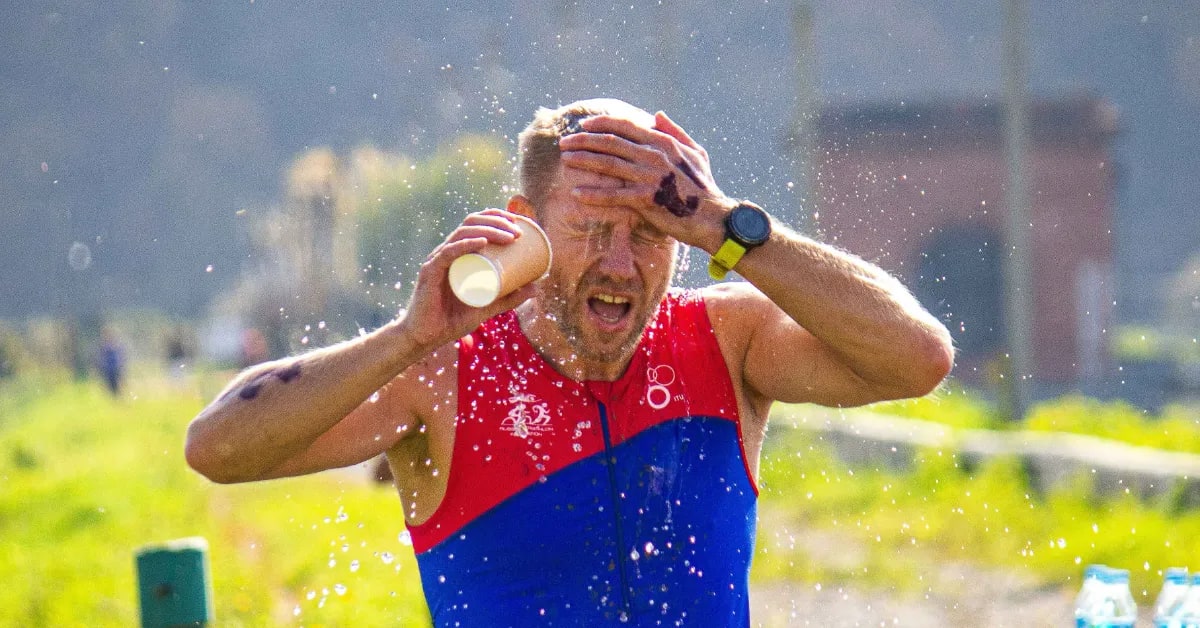
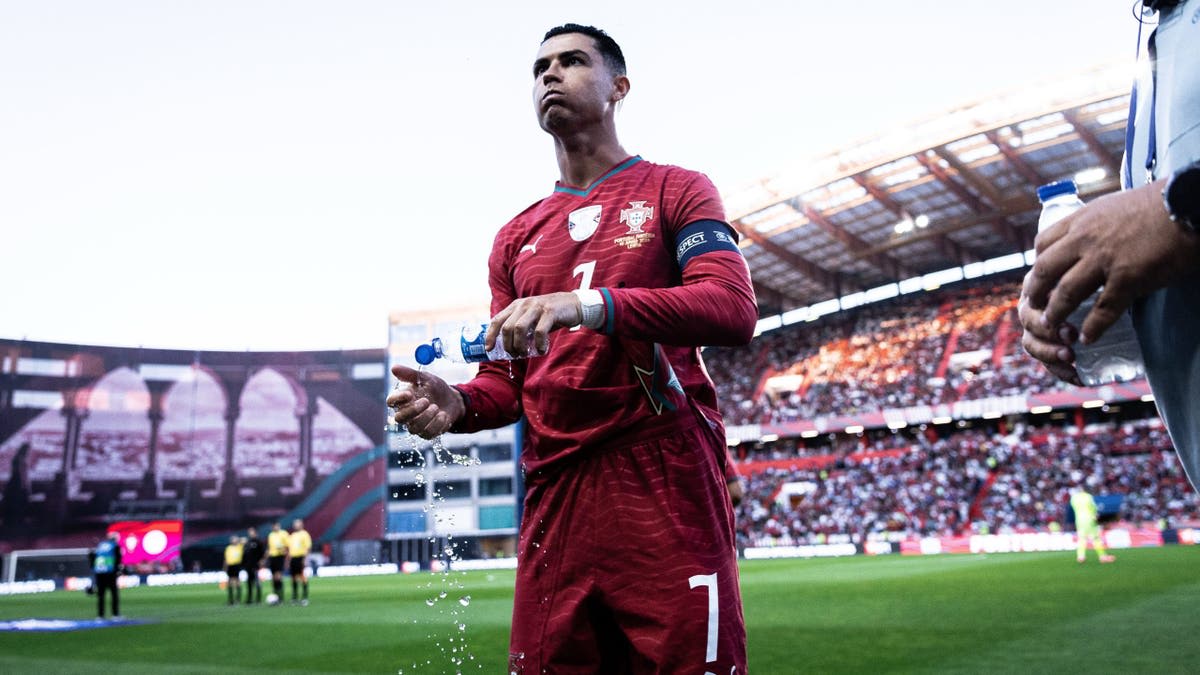
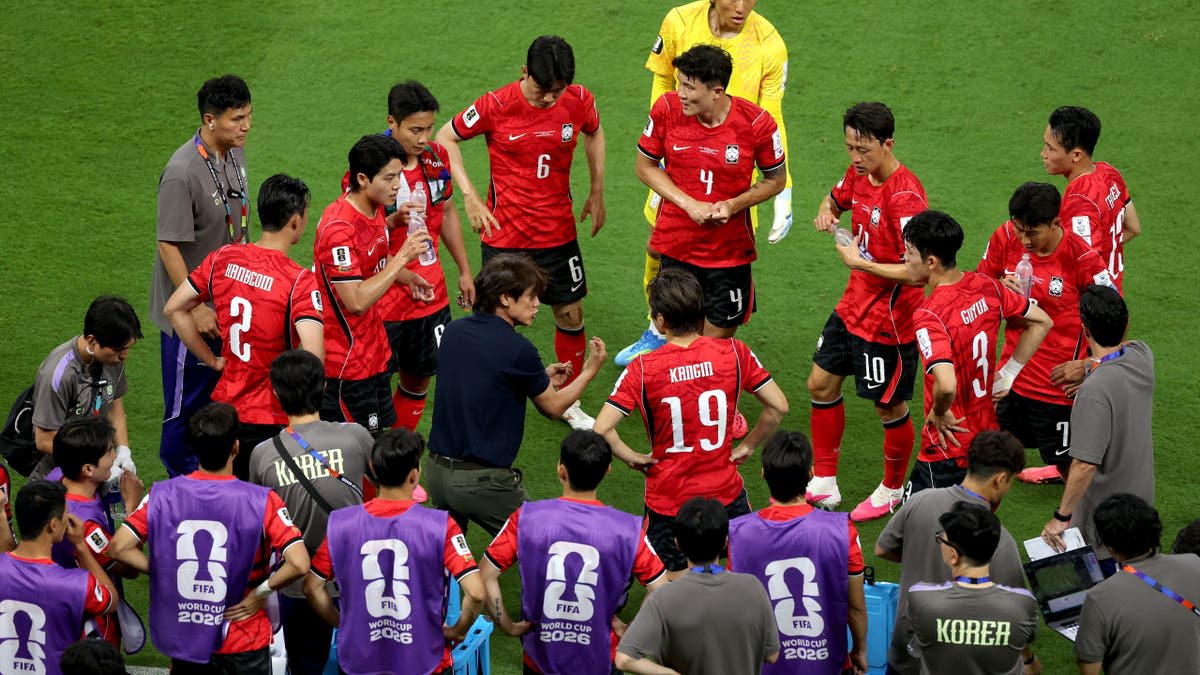
The 2026 FIFA World Cup will introduce mandatory water breaks in every single match, pausing play twice per game for three minutes regardless of temperature or location. It's the first time in tournament history that hydration stops become a permanent fixture rather than an emergency response to extreme heat.
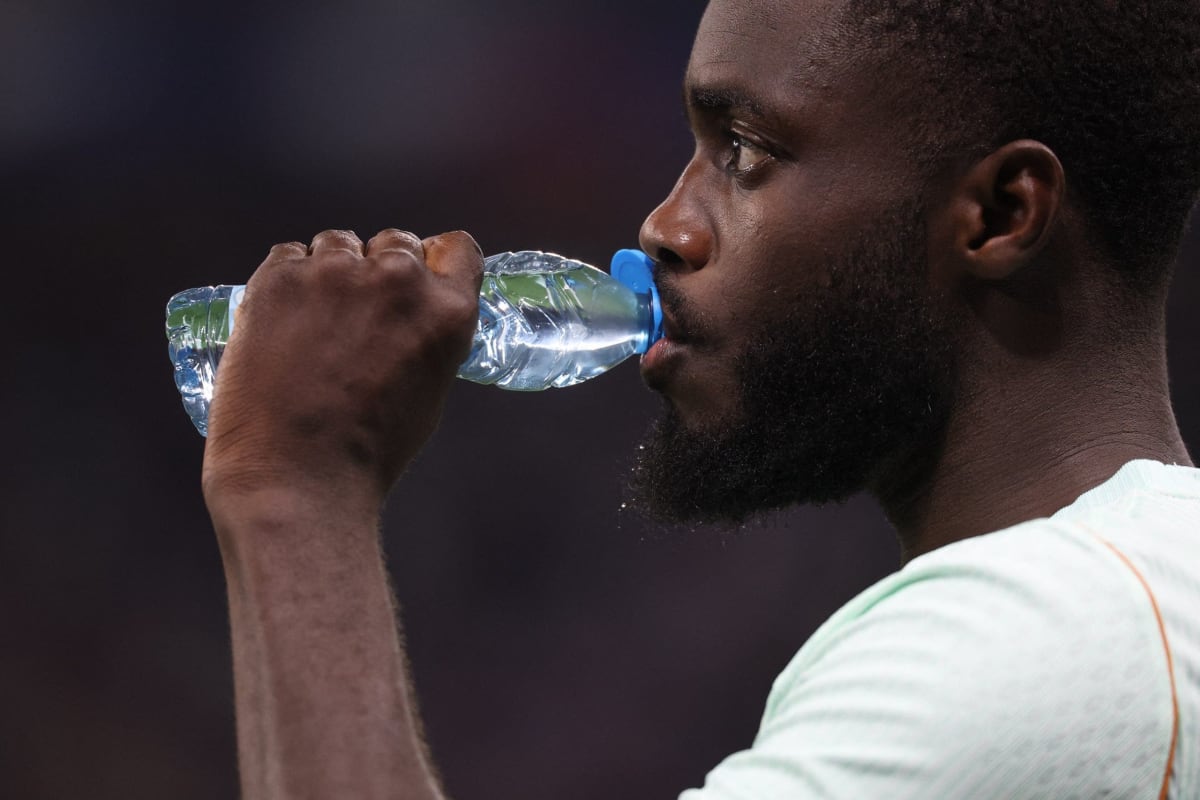
Here's how it works: referees will halt play around the 22-minute mark of each half. Players stay on the field to drink water while coaches can discuss strategy with their teams, turning the break into something American sports fans will recognize as a timeout. The time gets added back at the end of each half, so the total playing time stays the same.
FIFA says the change protects player welfare, especially important given that summer temperatures across host cities in the United States, Mexico and Canada could climb dangerously high. The decision removes guesswork for referees and ensures every team gets the same conditions.
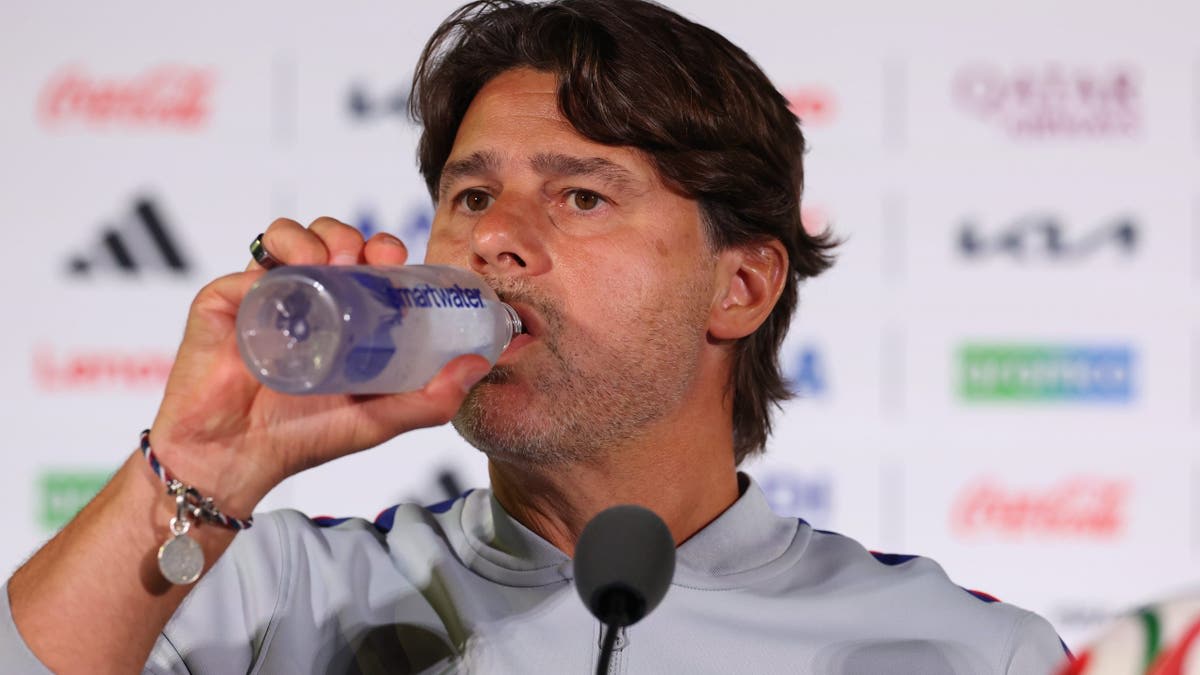
Not everyone is celebrating the shift. U.S. men's national team coach Mauricio Pochettino worried the breaks "cut the rhythm of the game," which has traditionally flowed without interruption for 45-minute halves. Belgium coach Rudi Garcia took a sunnier view, calling the breaks useful for mid-game strategy discussions.
The Bright Side
This isn't soccer's first rodeo with water breaks. The 2014 World Cup in Brazil introduced "cooling breaks" triggered only when temperatures hit dangerous levels. Those stops were optional emergency measures at the 30th and 75th minutes.
The 2026 version removes the ambiguity. Every match gets the same treatment, whether it's played in air-conditioned comfort or sweltering heat. That consistency means fairer competition and clearer expectations for teams preparing their game plans.
The change also acknowledges modern realities about athlete workload and climate challenges. As summer tournaments push players to their limits, built-in recovery moments could prevent heat-related injuries and keep the world's best athletes performing at their peak when it matters most.
Yes, broadcasters will likely fill these breaks with advertisements, and yes, soccer purists might grumble about tradition. But if three minutes twice a game means healthier players and safer competition, that's a trade-off worth making for the beautiful game's biggest event.
More Images
Based on reporting by Fox News Latest Headlines (all sections)
This story was written by BrightWire based on verified news reports.
Spread the positivity!
Share this good news with someone who needs it