2030 Solar Eclipse Brings Safari, Stargazing, and Science
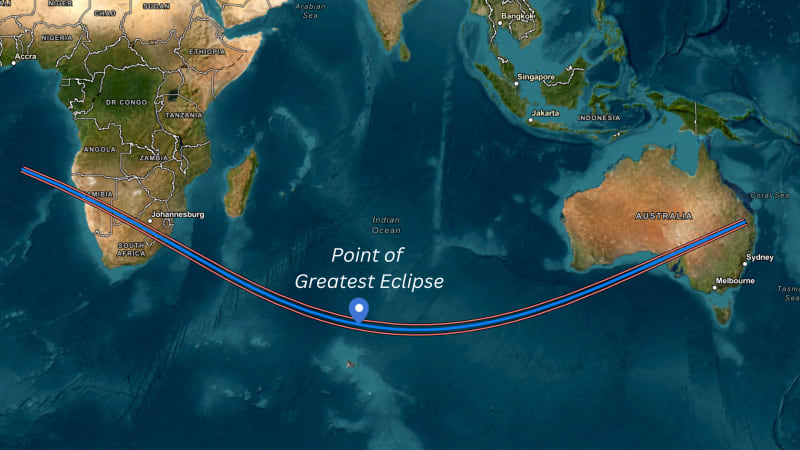
On November 25, 2030, a total solar eclipse will sweep across southern Africa and Australia, offering travelers the rare chance to combine celestial wonder with safari adventures and world-class stargazing. Over 10 million people live in the path of totality, which stretches nearly 9,000 miles across the Southern Hemisphere.
Mark your calendars for November 25, 2030, when one of nature's most breathtaking shows comes to the Southern Hemisphere with a bonus safari.
A total solar eclipse will trace a 9,000-mile path across southern Africa and Australia that morning. The moon will completely block the sun for up to 3 minutes and 44 seconds, transforming day into an eerie twilight and revealing the sun's spectacular corona.
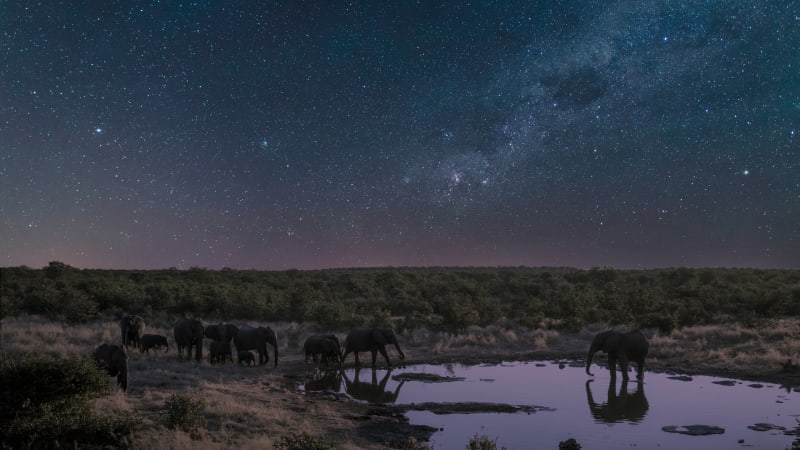
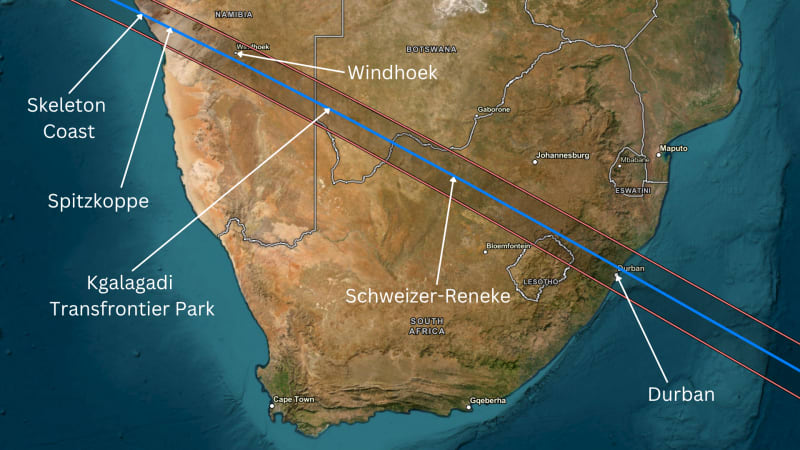
What makes this eclipse special is where it happens. In Namibia, the path of totality sweeps between the giant dunes of Sossusvlei and the wildlife haven of Etosha National Park, creating a once-in-a-lifetime opportunity to pair eclipse viewing with safari adventures.
Early risers in Namibia, Botswana, South Africa, and Lesotho will witness totality just after sunrise, with the eclipsed sun climbing 14 to 33 degrees above the eastern horizon. Durban, South Africa will experience the longest land-based totality at 2 minutes and 32 seconds.
On the other side of the Indian Ocean, Australians will see the opposite. Remote areas of Queensland and South Australia will catch the eclipse near sunset, with the small town of Surat watching the darkened sun hover just 2 degrees above the western horizon.
The eclipse path also crosses two remarkable wildlife spots. Cape Cross Seal Reserve in Namibia hosts the world's largest breeding colony of Cape fur seals, which will experience 1 minute and 22 seconds of totality. Point Labatt Conservation Park in South Australia, home to endangered Australian sea lions, gets 1 minute and 57 seconds.
Why This Inspires
This eclipse reminds us that the universe operates on a schedule far grander than our daily worries. The same celestial mechanics that allowed ancient astronomers to predict eclipses thousands of years in advance now gives us the gift of planning adventures around cosmic events.
Namibia already ranks among the world's best stargazing destinations, and pairing an eclipse with safari viewing creates memories that blend Earth's wildlife with space's wonders. For the 10.6 million people living in the path of totality, it's a cosmic gift arriving right in their backyard.
The 2030 eclipse offers something for everyone, whether you're watching dawn break over African plains with elephants nearby or catching a sunset eclipse over the Australian outback. November 25, 2030 promises to be a day when millions pause together to witness something bigger than themselves.
More Images

Based on reporting by Space.com
This story was written by BrightWire based on verified news reports.
Spread the positivity!
Share this good news with someone who needs it