2,100-Year-Old Phoenician Coin Used as Bus Fare in Leeds
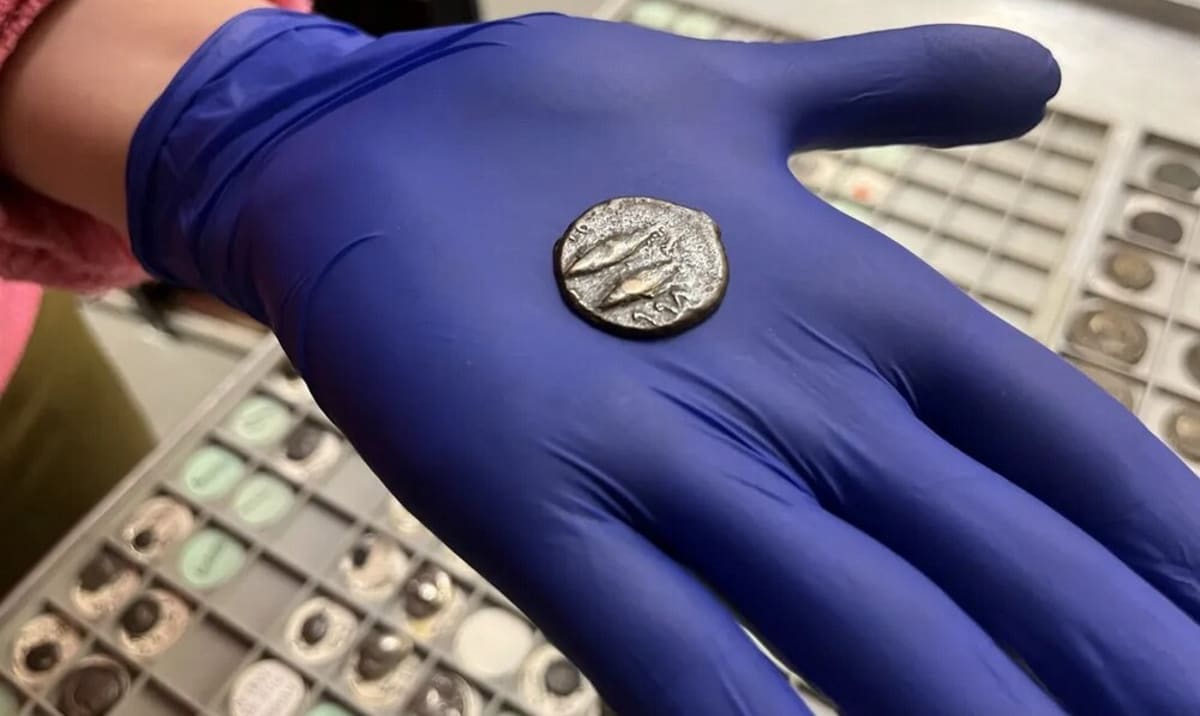
A bus cashier in Leeds saved "fake" coins passengers tried to use as fare, giving them to his grandson as treasure. Seventy years later, one turned out to be an ancient Phoenician coin from 100 BCE.
For over 70 years, Peter Edwards treasured the odd coins his grandfather gave him as a child, never imagining one was struck by Phoenician mariners 2,100 years ago on the Spanish coast.
James Edwards worked as chief cashier for Leeds City Transport, collecting fares from bus and tram drivers each day. When passengers tried sneaking foreign or fake coins past drivers, James would pluck them out and bring them home as gifts for young Peter.
"My grandfather would come across coins which were not British and put them to one side, and when I went to his house, he would hand me a few," Peter remembers. "It was not long after the war, so I imagine soldiers returned with coins from countries they had been sent to."
Peter kept the coins in a small wooden chest for more than seven decades. Neither he nor his grandfather were serious collectors, but the foreign imagery fascinated them both. One coin in particular tickled Peter's curiosity enough to finally research its origins.
His diligent investigation revealed the coin came from Gadir, a Carthaginian settlement on Spain's coast known today as Cadiz. The Phoenicians, seafaring people from modern Lebanon, built a Mediterranean trading empire from coastal strongholds. They became famous for creating the first purple pigment in the Western world, using it to make highly coveted textiles.
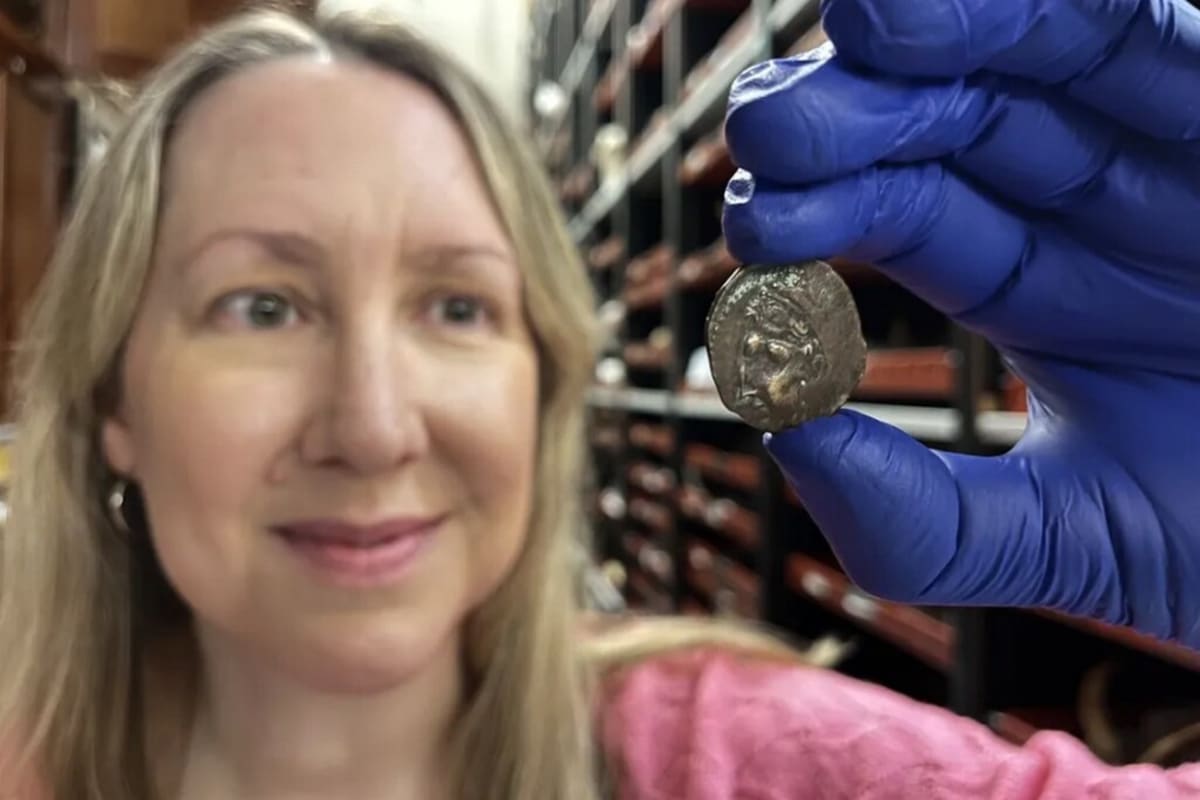
One side of the coin bears the face of Melqart, a Phoenician god resembling the Greek hero Herakles wearing his famed lionskin headdress. Phoenician coins often carried Greek imagery to appeal to traders across the Mediterranean.
Why This Inspires
The coin's journey from ancient Spain to a modern Leeds bus represents history hiding in plain sight. Someone thought this 2,100-year-old artifact was worth exactly one bus ride.
Peter contacted Leeds Museums and Galleries and donated the coin to their collection. It now joins ancient currency from cultures spanning thousands of years at Leeds Discovery Center.
"It's incredible to imagine how this tiny piece of history created by an ancient civilization thousands of years ago has somehow made its way to Leeds," said Leeds city councilwoman Salma Arif. Museums preserve not just objects but stories that inspire us to notice the history all around us.
Peter believes his grandfather would be proud the coin returned to Leeds, though how it traveled from ancient Spain to a Yorkshire bus remains a delightful mystery.
More Images



Based on reporting by Good News Network
This story was written by BrightWire based on verified news reports.
Spread the positivity!
Share this good news with someone who needs it
%2Fhttps%3A%2F%2Ftf-cmsv2-smithsonianmag-media.s3.amazonaws.com%2Ffiler_public%2F2f%2F14%2F2f144ae8-a0a5-447e-bcee-bad89e257cf7%2Fgold-bands.jpg)