220-Year-Old Apple Tree That Fed Millions Needs Saving
The original Bramley apple tree in Nottinghamshire could fall into private hands unless campaigners raise £250,000 to preserve it. Every Bramley apple ever eaten traces back to this single tree planted by a young girl in the early 19th century.
A tree that changed British cooking forever is at risk of disappearing from public view, and apple lovers are fighting to save it.
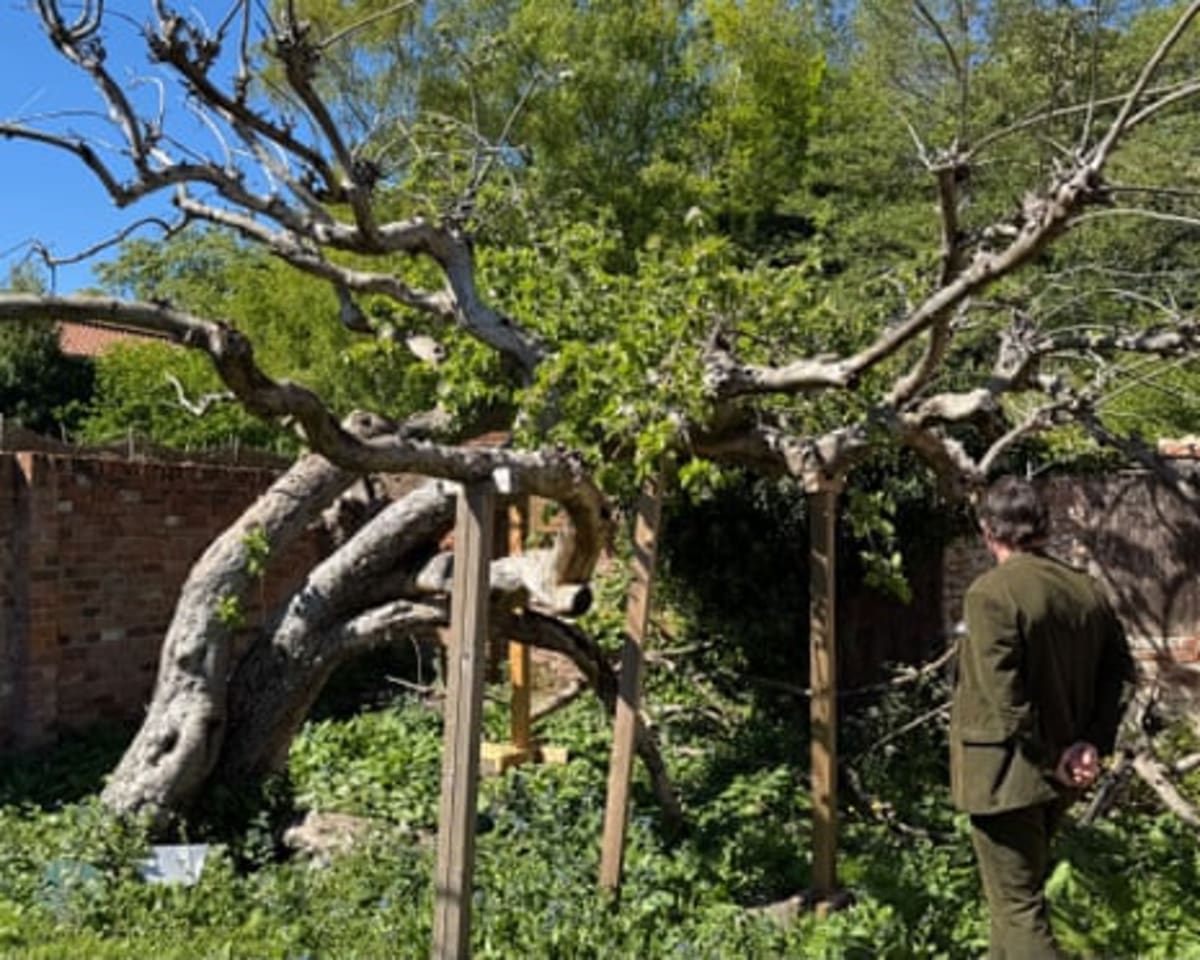
The original Bramley apple tree stands in a cottage garden in Southwell, Nottinghamshire, where it was planted from a single pip by a young girl named Mary Ann Brailsford over 220 years ago. Now Nottingham Trent University is selling the cottage, and campaigners worry this piece of living history could vanish behind private gates.
Every single Bramley apple ever eaten anywhere in the world came from this one tree. It's recognized as one of Britain's 50 most important historic trees, yet it has no legal protection.
Artist Dan Llywelyn Hall, who has painted the tree many times, is leading the campaign to raise £250,000 to buy the property and create a heritage center. "If we can buy paintings for museums for gargantuan sums, why can't we see these natural wonders as equals?" he says.
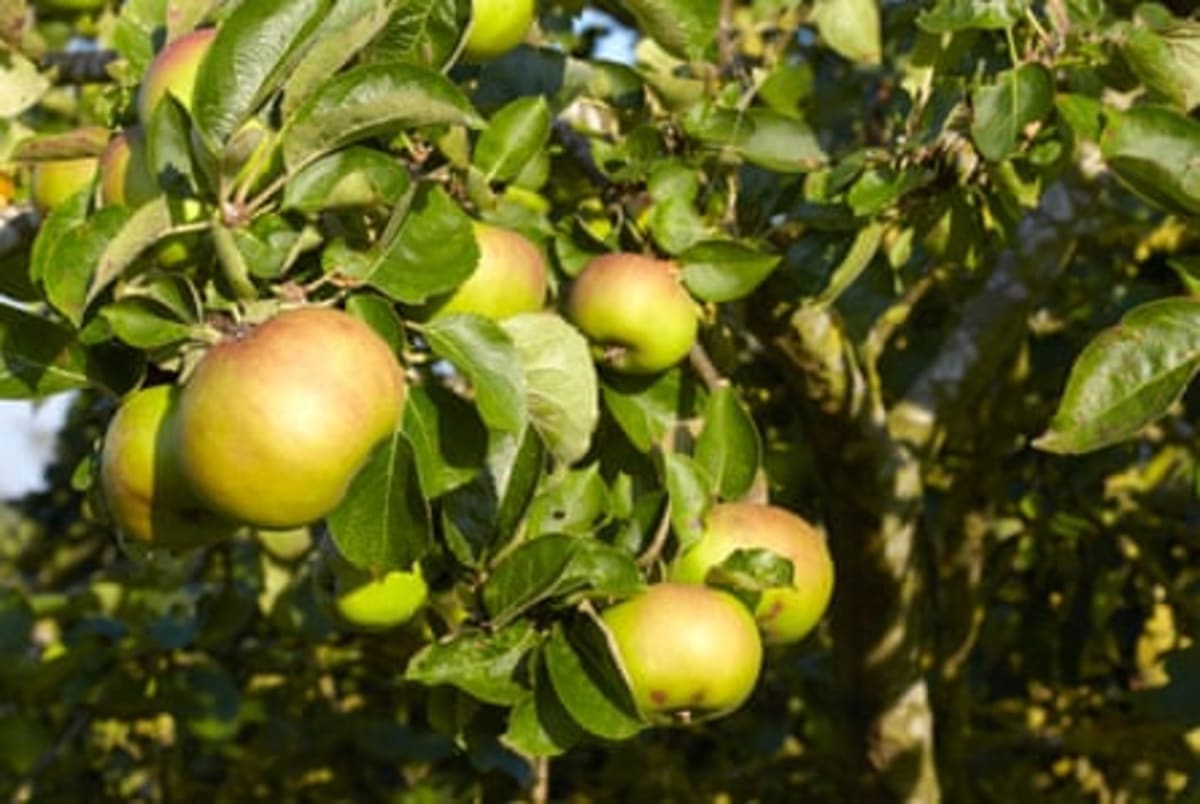
The tree's story reads like a fairytale. After Mary Ann planted it, a horticulturist named Henry Merryweather spotted the unique hybrid apple's potential decades later. He successfully grafted branches to grow more trees and began selling the apples in 1876, naming them after Matthew Bramley, who owned the house at the time.
The Bramley became known as the "King of Covent Garden" and remains the only British cooking apple available year round. Its perfect natural acidity makes it beloved by chefs worldwide, from British kitchens to Japanese plantations.
The Ripple Effect
Celia Stevens, Merryweather's great granddaughter, has witnessed the tree's global reach firsthand. "I have been to Japan and seen the bramley industry there for myself," she says. "There is even a bramley fanclub."
Despite its age and battles with honey fungus, the mother tree still blossoms, fruits, and sends out vigorous new shoots. Last month, Stevens attended a special planting of one of its cloned offspring at Anne Hathaway's cottage in Stratford-upon-Avon, where Japanese Bramley fans traveled to witness the ceremony.
The tree has given Britain 150 years of continuous commercial success. Bramley plantations still produce apples for cooking and cider making across the globe, an almost unheard of track record for any agricultural product.
Nottingham Trent University has cared for and propped up the aging tree since buying the cottage in 2018. Now local businesses are ready to manage tourist accommodation in the cottage if the campaign succeeds, allowing apple enthusiasts and visitors to experience this remarkable piece of heritage.
With crowdfunding underway and support from musician Cerys Matthews and passionate Bramley fans worldwide, there's hope this ancient tree will continue sharing its story for generations to come.
More Images


Based on reporting by Guardian Environment
This story was written by BrightWire based on verified news reports.
Spread the positivity!
Share this good news with someone who needs it