23 Urban Farms Transform Food Access in Inland Empire
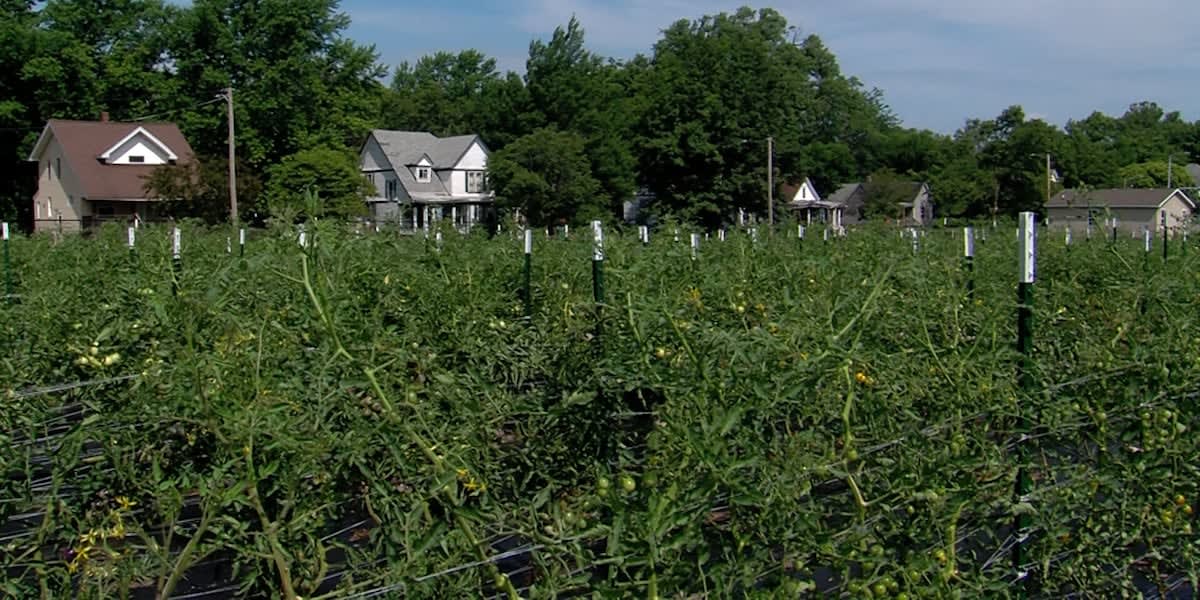
Twenty-three community farms and gardens in Southern California just proved that urban agriculture can feed communities, create jobs, and bring neighbors together. With state grants and local support, they've turned empty lots into thriving food hubs.
A year ago, Sandalwood Farm in Rialto didn't exist. Today, it's hosting workshops and growing fresh produce for local families who need it most.
That transformation is happening across the Inland Empire, where 23 urban agriculture projects are changing how communities grow, share, and learn about food. The California Department of Food and Agriculture funded these projects through its Urban Agriculture Grant Program, with the Inland Empire Resource Conservation District helping coordinate resources across Riverside and San Bernardino counties.
The impact goes far beyond planting seeds. These projects supported more than 200 workshops and community events, delivered 2,000 hours of agricultural education, and created over a dozen paid positions. Community members learned hydroponics and aquaponics, tended pollinator gardens, and built sustainable irrigation systems that conserve precious water.
Grant recipients used the funds strategically. Some purchased refrigeration units and delivery vehicles to get fresh food to families faster. Others invested in tractors, generators, and equipment that turned small plots into productive farms. Six new farm stands now offer affordable, locally grown produce in neighborhoods that previously lacked access to fresh food.
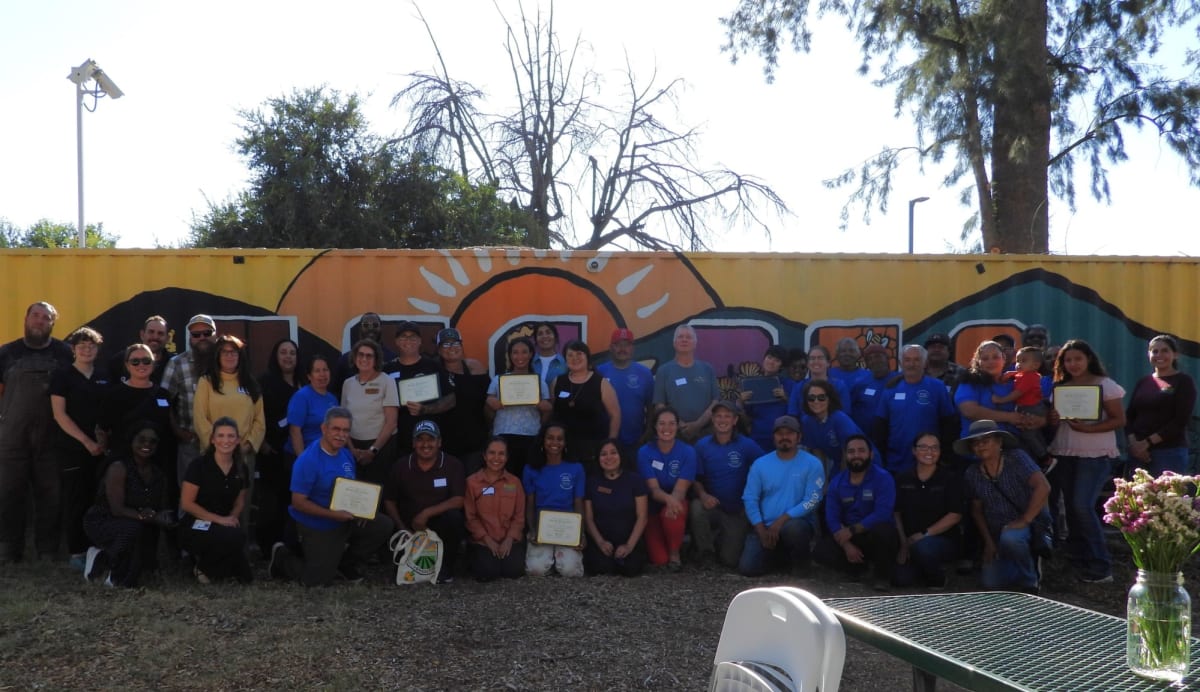
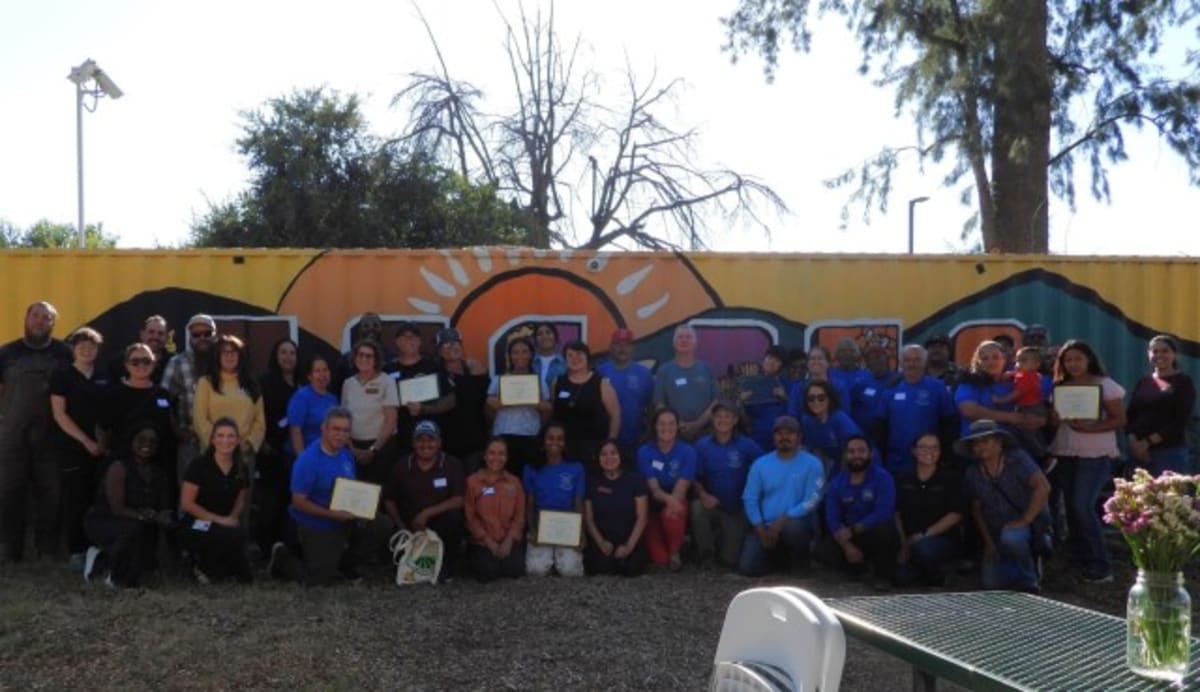
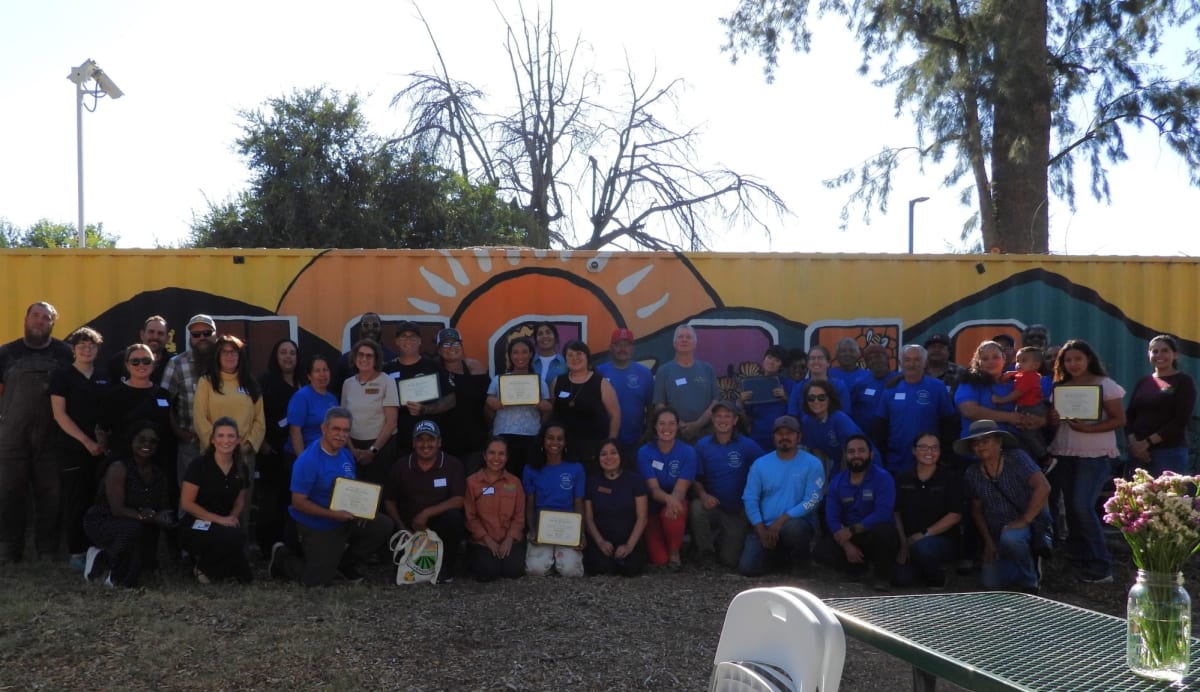
Jessica Handy of Sandalwood Farm says the grant accelerated her vision dramatically. "It helped us take our farm from zero to 100 in the last year," she explained at a June celebration in San Bernardino. "We can start providing produce for communities, and we host workshops now."
The education component runs deep. Two farmer apprentice programs are training the next generation of urban growers. Twenty-one students are learning hydroponics and aquaponics techniques that maximize food production in limited spaces. Outdoor classrooms give kids hands-on experience with where their food comes from.
The Ripple Effect
These aren't isolated success stories. They're building a more resilient food system across nearly 1,300 square miles of Southern California.
When communities grow their own food, they strengthen local economies, reduce transportation costs, and create green spaces that cool urban heat islands. The technical assistance from the Inland Empire Resource Conservation District ensures projects don't just launch but sustain themselves long-term.
Tracey Perez from the state's Office of Farm to Fork called the district "a model organization" for supporting urban agriculture. The combination of funding access and hands-on technical help creates lasting capacity in communities that have historically lacked resources.
Nine sustainable irrigation projects mean farms can thrive even during California's ongoing water challenges. The focus on aquaponics and hydroponics shows communities embracing innovative growing methods that use less water and space while producing more food.
From empty lots to education hubs, these 23 projects prove that cities can feed themselves while creating jobs, teaching skills, and bringing neighbors together around fresh, healthy food.
More Images
Based on reporting by Google News - Conservation Success
This story was written by BrightWire based on verified news reports.
Spread the positivity!
Share this good news with someone who needs it