2,300-Year-Old Buddhist Relic Put on Public Display in India
A sacred Buddhist relic from the 3rd century BC was brought out of protected storage in Odisha, India, giving monks and devotees a rare chance to view the ancient treasure. The special display honored a revered Buddhist master and showcased India's role in preserving Buddhist heritage.
For the first time in years, a 2,300-year-old Buddhist relic emerged from its climate-controlled vault to meet the eyes of devoted pilgrims in Odisha, India.
The Archaeological Survey of India made the exceptional decision to publicly display the sacred relic on January 16 at Lalitgiri, one of the oldest Buddhist sites in the country. The rare viewing coincided with the second annual ceremony honoring Guru Padmasambhava, the Buddhist master credited with spreading Vajrayana Buddhism across Asia.
The ancient artifact normally stays locked away under strict conservation protocols at the ASI Lalitgiri Museum. Bringing it out required careful coordination between religious authorities and archaeological experts to ensure the relic's safety while allowing public access.
Monks, scholars, and devotees from across India gathered at Lalitgiri for the special occasion. They participated in rituals, prayers, and meditation celebrating the teachings of Guru Padmasambhava, whose messages of compassion and mindfulness continue resonating with Buddhists worldwide.
The event transformed the sacred grounds into a living bridge between ancient tradition and modern faith. People who traveled hundreds of miles finally stood before a piece of their spiritual heritage that most had only read about in books.
Why This Inspires
This moment represents more than just a museum opening its doors. It shows how governments and cultural institutions can honor living faith traditions while protecting irreplaceable historical treasures.
The collaboration between the Archaeological Survey of India, the Department of Tourism, and the Department of Odia Language, Literature and Culture proves that preservation and public access don't have to conflict. When institutions work together with care and respect, sacred objects can inspire new generations without compromising their safety.
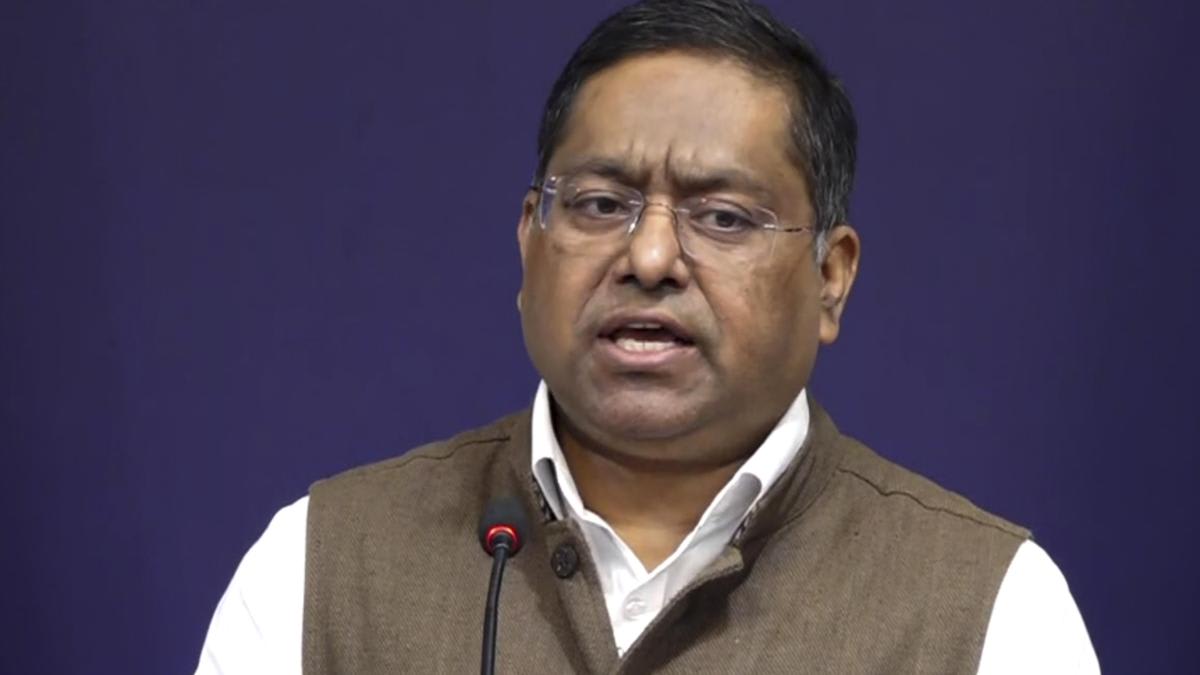
Suryabanshi Suraj, Minister for Odia Language, Literature and Culture, noted that the event reinforced Lalitgiri's importance on the global Buddhist map. The display positioned Odisha as a guardian of ancient Buddhist civilization, showing the world that India takes its role as heritage custodian seriously.
For the pilgrims who witnessed the relic, the experience offered something museums can rarely provide: a direct spiritual connection to their ancestors' faith. The chance to pray before an object that Buddhists venerated 2,300 years ago created a moment of timeless reverence.
This careful balance between protection and access offers a model for cultural sites worldwide struggling with similar challenges.
Based on reporting by The Hindu
This story was written by BrightWire based on verified news reports.
Spread the positivity!
Share this good news with someone who needs it