2,300-Year-Old Stone and Timber Structure Found in Germany
Construction workers digging 26 feet below a German city discovered a mysterious Iron Age structure that archaeologists never expected to find. The remarkably preserved timber and stone building is rewriting what experts know about ancient settlements along the Main River.
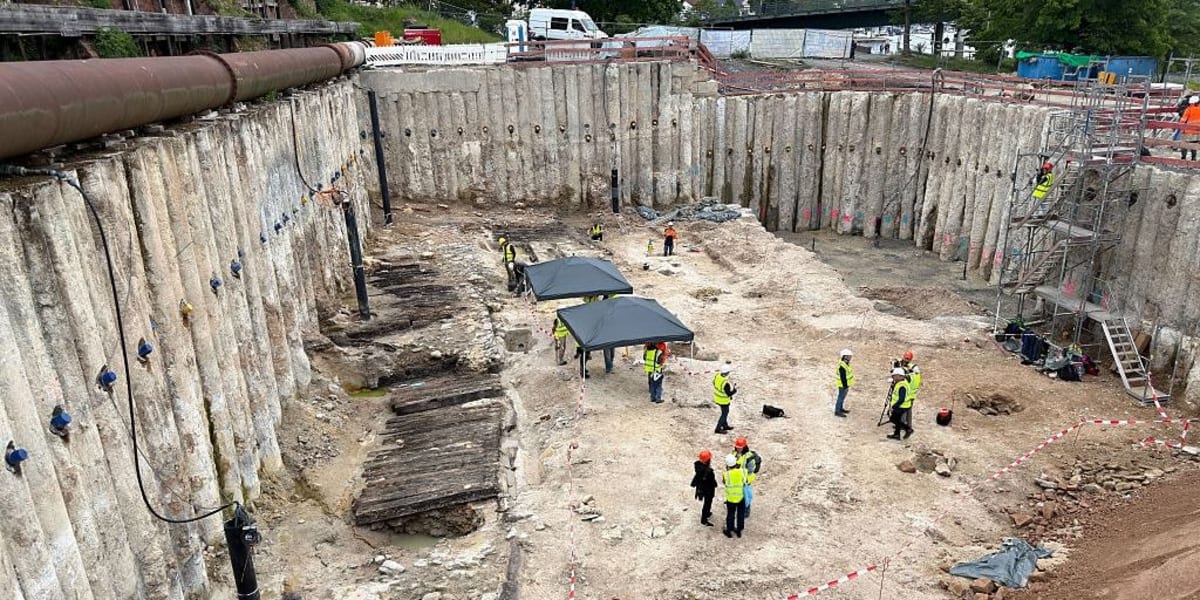
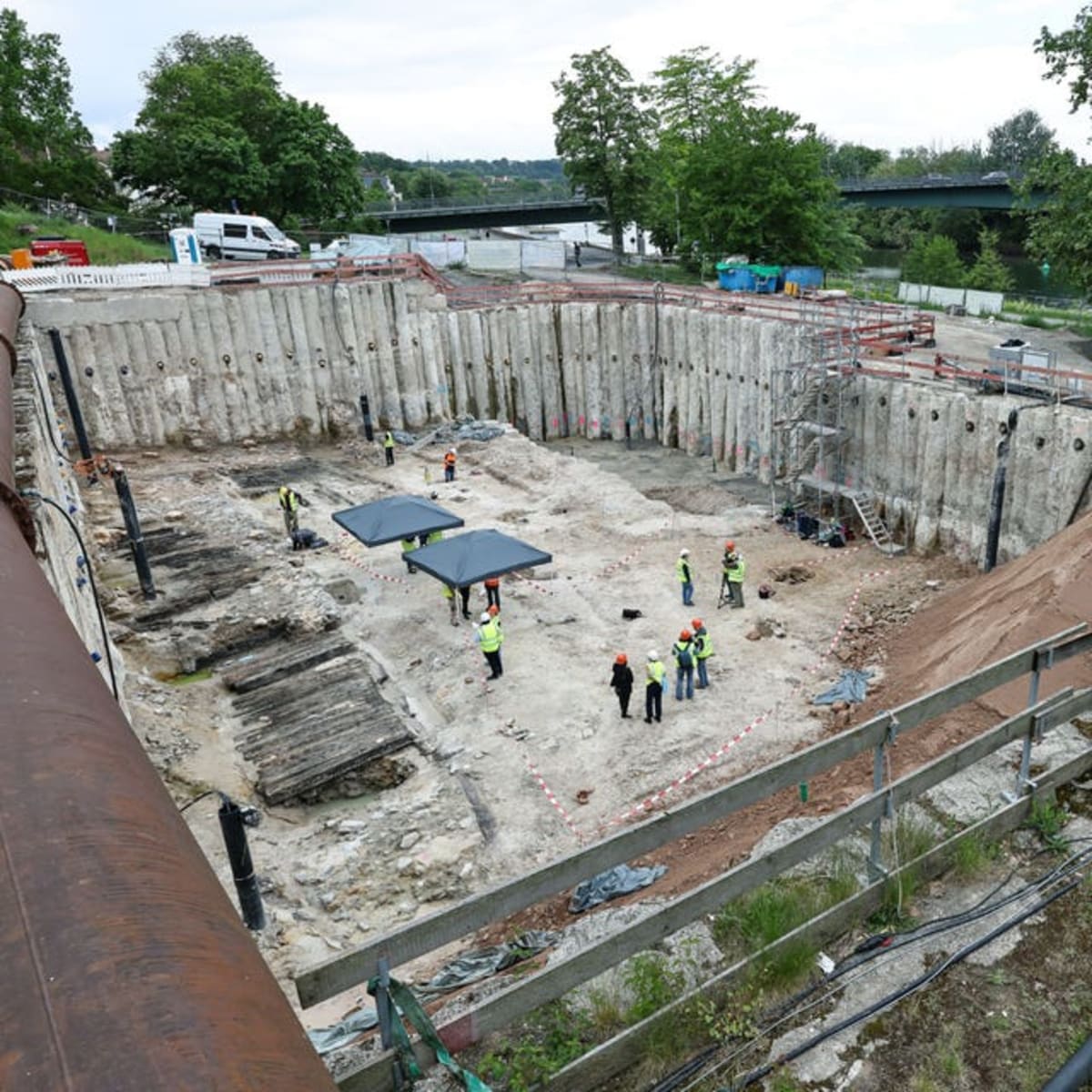
Workers preparing a storm basin in Aschaffenburg, Germany got the surprise of their lives when they struck ancient oak beams deep underground. What started as routine construction turned into one of the most exciting archaeological finds in recent memory.
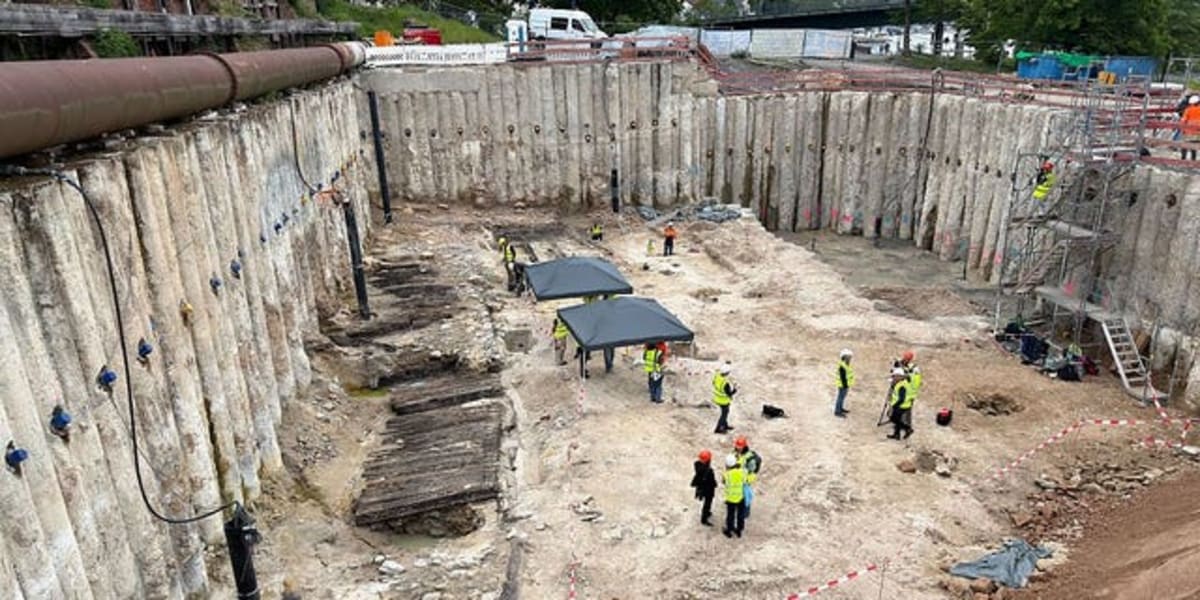
The discovery happened 26 feet below the surface, where waterlogged soil had preserved massive timber beams for over two millennia. When experts at the Bavarian State Office for Monument Preservation tested the oak, they found something stunning: the trees were cut down in the fourth century B.C.E., making the structure 2,300 years old.
Nobody saw this coming. Archaeologists had considered the riverside location near Willigis Bridge safe from any ancient surprises, but the evidence now suggests this spot once hosted a thriving Iron Age settlement of major importance.
What makes the find truly special is its unusual construction. Iron Age builders rarely combined stone and timber in one structure, and they typically saved stone for defensive walls and fortifications only. This building breaks all those rules with its sophisticated design featuring both materials working together.
Stefanie Berg, who heads the Department of Archaeological Heritage Conservation, called the discovery "truly unique" because of its riverside location, incredible preservation, and unprecedented architectural style. The structure includes massive oak beams integrated with a dry stone wall facing the Main River, suggesting it was built by people who knew exactly what they were doing.
Researchers believe the building could have served as a trading hub, transportation center, or administrative complex. Its prominent riverside position would have made it a landmark in the ancient settlement, visible to travelers and traders moving along the Main River.
The Bright Side
This accidental discovery is opening a window into a period historians know very little about. The Early La Tène period settlement has remained mostly mysterious until now, but the waterlogged preservation of this site gives scientists an incredible opportunity to learn more.
Previous finds in the area, including a gold ring from the same time period, suggested high-status individuals once lived here. Now this monumental structure confirms that Aschaffenburg's Old Town sits atop something far more significant than anyone imagined—a sophisticated ancient community that thrived when Rome was still centuries from its empire.
The technical skill required to build with both stone and timber shows these Iron Age settlers were more advanced than history books often give them credit for. As excavation continues, each new discovery adds another piece to the puzzle of who these people were and how they lived.
Sometimes the best discoveries happen when we're looking for something else entirely.
More Images


Based on reporting by Google: archaeological discovery
This story was written by BrightWire based on verified news reports.
Spread the positivity!
Share this good news with someone who needs it