250-Million-Year-Old Egg Solves Ancient Mammal Mystery
Scientists in South Africa discovered the oldest embryo fossil ever found, proving our mammal ancestors laid eggs 250 million years ago. The tiny creature inside reveals survival secrets from Earth's deadliest extinction event.
A curled-up baby that never hatched just rewrote the story of how mammals came to be.
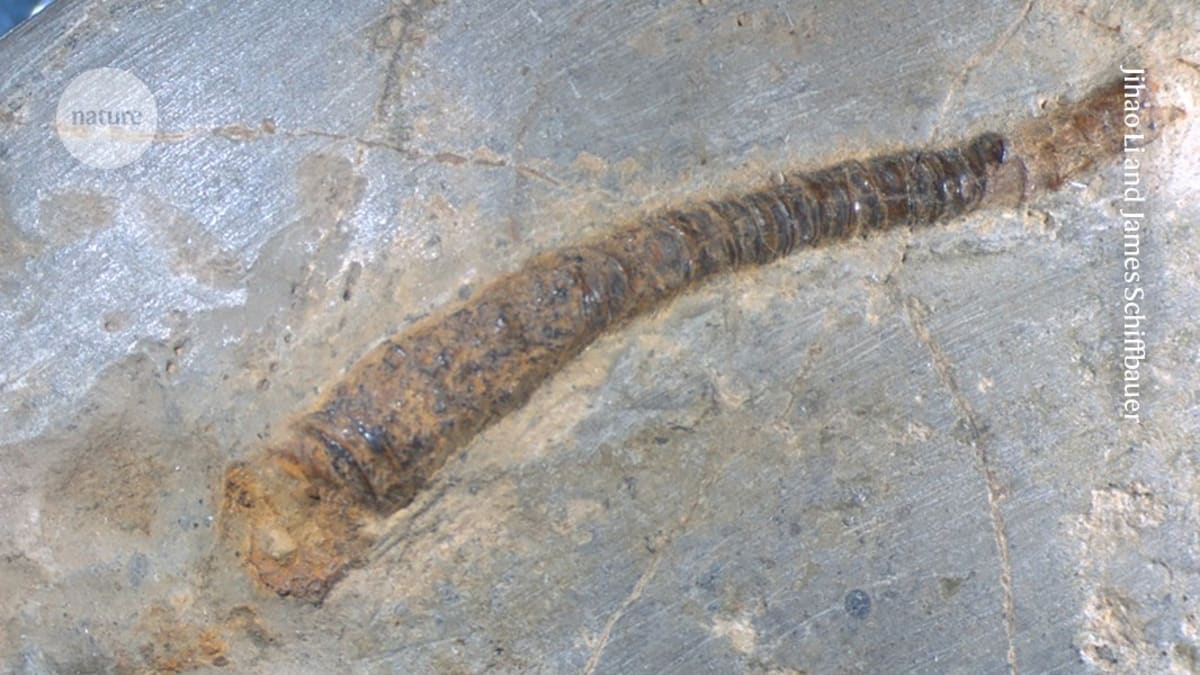
For 20 years, a mysterious fossil sat in South Africa's National Museum in Bloemfontein. Discovered in 2008 near Oviston in the Eastern Cape, the tiny embryo belonged to Lystrosaurus, a pig-sized creature with a turtle-like beak and two downward-pointing tusks. But without a visible shell, scientists couldn't prove it had died inside an egg.
The breakthrough came at the European Synchrotron Radiation Facility in France. Using powerful X-ray technology, researchers peered inside the 250-million-year-old bones and found the answer in an unexpected place: the embryo's jaw.
The lower jaw bones weren't fully fused, a developmental trait only seen in modern turtles and birds that complete jaw formation before hatching. This proved the baby Lystrosaurus died in its egg, nestled in a soft, leathery shell that dissolved over time.
This discovery solves a puzzle that stumped paleontologists for over 150 years. James Kitching, one of South Africa's most talented fossil hunters, excavated thousands of therapsid fossils (the group that eventually gave rise to mammals) but never found their eggs. He began wondering if these ancient creatures gave live birth like most modern mammals.
Now we know therapsids laid eggs, just like today's platypus and echidnas. But this egg reveals something even more remarkable about how Lystrosaurus survived the Great Dying.
Why This Inspires
This isn't just about ancient history. The Great Dying happened 252 million years ago and wiped out 90% of all life on Earth. Yet Lystrosaurus thrived when almost everything else perished.
The secret lay in those large eggs. Their size meant less water loss through the leathery shell during devastating drought conditions. The babies hatched more developed, ready to feed themselves and escape predators immediately.
Growing fast, reproducing young, and adapting quickly became Lystrosaurus's winning strategy. Within a few million years after the extinction, this resilient creature spread across the entire supercontinent.
Today, as Earth faces what scientists call the sixth mass extinction, understanding how ancient species survived catastrophic change matters more than ever. The tiny embryo from Oviston shows that flexibility, efficient reproduction, and adaptation helped life bounce back from the brink.
Sometimes the smallest fossils hold the biggest lessons about resilience and hope for the future.
More Images




Based on reporting by Google: fossil discovery
This story was written by BrightWire based on verified news reports.
Spread the positivity!
Share this good news with someone who needs it