250 Students Power Clean Energy Research at Colorado Lab
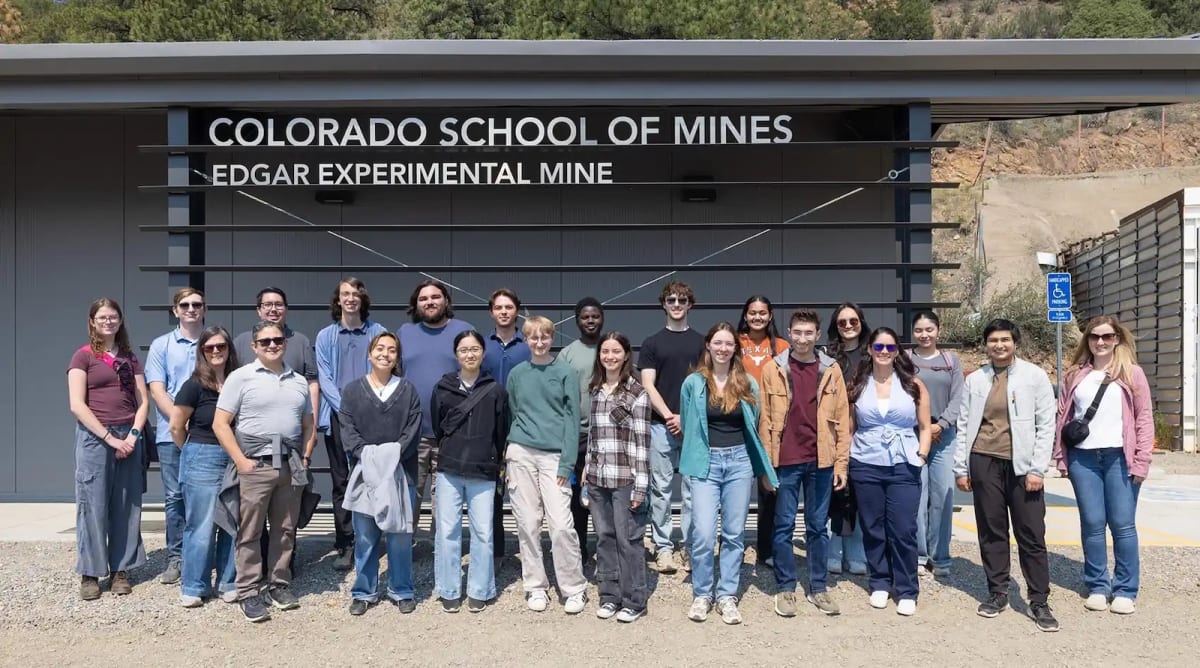
This summer, nearly 250 students from across America are getting hands-on experience at the National Laboratory of the Rockies, working on breakthrough technologies from faster microchips to next-generation batteries. These young researchers are solving real problems that will shape our energy future.
📺 Watch the full story above
Nearly 250 students descended on a Colorado national laboratory this summer to turn classroom theory into real-world clean energy solutions. From high schoolers to Ph.D. candidates, they're not just learning about the future. They're building it.
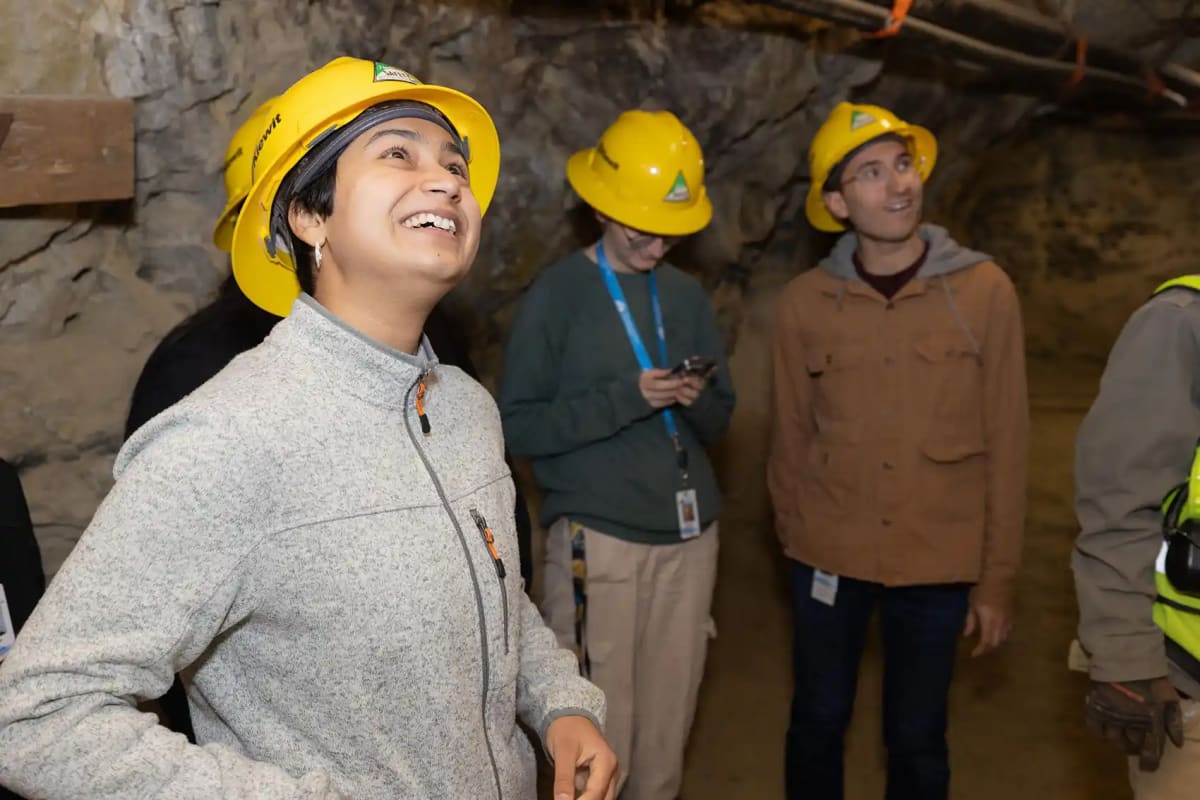
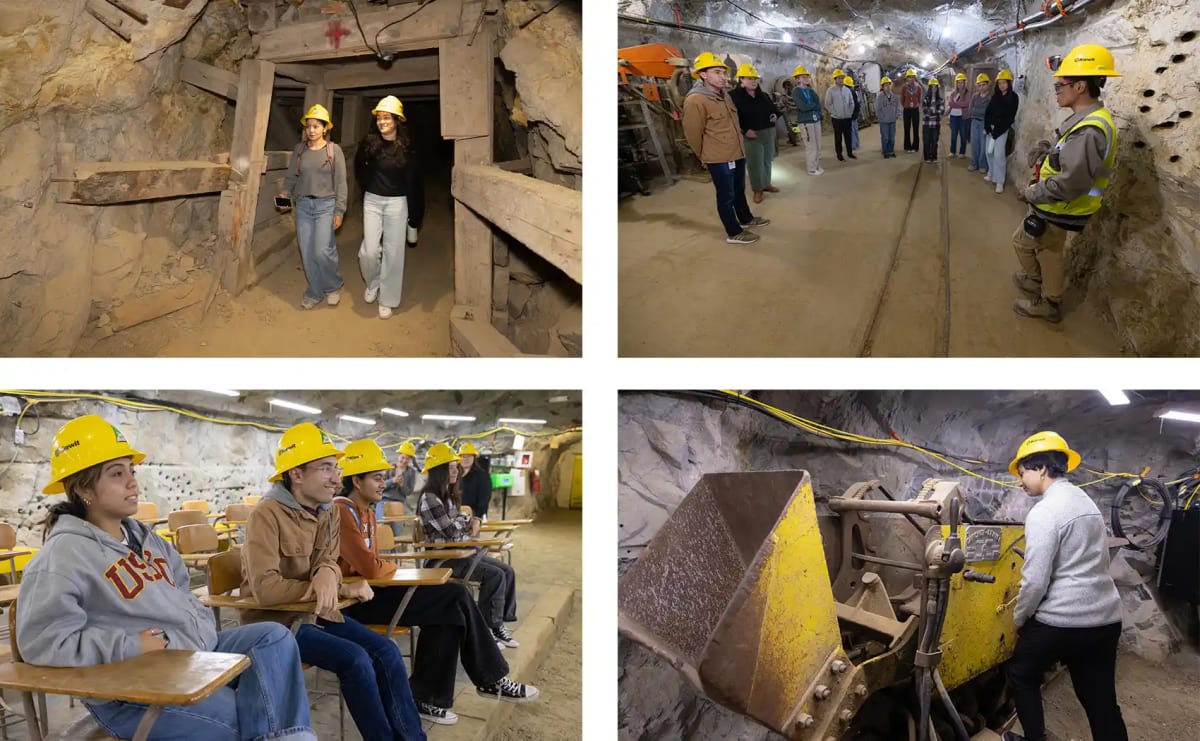
The National Laboratory of the Rockies (NLR) welcomed students from across the country for immersive research experiences that go far beyond typical internships. Some explored an underground mine tunnel carved into a mountain west of Denver, where temperatures drop to a constant 54 degrees and industrial drilling equipment towers overhead.
Anisha Jarang, a rising senior at the University of Virginia, traveled to Colorado to work on organic semiconductors that could revolutionize everything from smartphone screens to wearable electronics. She's helping perfect a measurement technique that NLR does better than anywhere else in the world.
Her project focuses on discovering how fast electrons can move through soft polymer materials. If her team succeeds, the research could lead to faster microchips for OLED displays, smart packaging, and flexible consumer electronics.
For Ph.D. student Irene Walker, the opportunity means access to state-of-the-art equipment at both NLR and the Colorado School of Mines through a unique partnership program. She gets two advisors, two labs, and twice the resources to advance her research in energy systems.
The collaboration between the laboratory and university creates opportunities most graduate programs can't match. Students work alongside industry partners and research groups, seeing firsthand what careers in clean energy look like beyond graduation.
The Ripple Effect
These summer programs are doing more than training individual scientists. They're building a pipeline of talented researchers who will tackle climate challenges for decades to come.
The hands-on experience gives students something textbooks never could: confidence that their work matters. Jarang gained practice explaining complex research to both technical experts and general audiences, a skill that will serve her throughout her career.
The program also exposes students to collaborative research environments where multiple teams work together toward shared goals. Walker noticed how different this felt from traditional academic silos, with researchers moving fluidly between projects and sharing expertise.
By investing in nearly 250 young scientists each summer, NLR is multiplying its impact far beyond its own discoveries. These students will return to universities nationwide carrying new skills, connections, and passion for clean energy innovation.
Today's interns are tomorrow's breakthrough researchers, and they're getting a head start on solving our biggest energy challenges.
More Images

Based on reporting by CleanTechnica
This story was written by BrightWire based on verified news reports.
Spread the positivity!
Share this good news with someone who needs it