254 Zoos Unite to Save Endangered Species Worldwide
More than 250 zoos and aquariums across five continents are working together to rescue endangered animals, restore their habitats, and give threatened species a fighting chance. From Wyoming toads to African vultures, their coordinated efforts are bringing animals back from the brink.
The next time you visit an accredited zoo, you're supporting a global rescue mission happening in forests, rivers, and reefs across the planet.
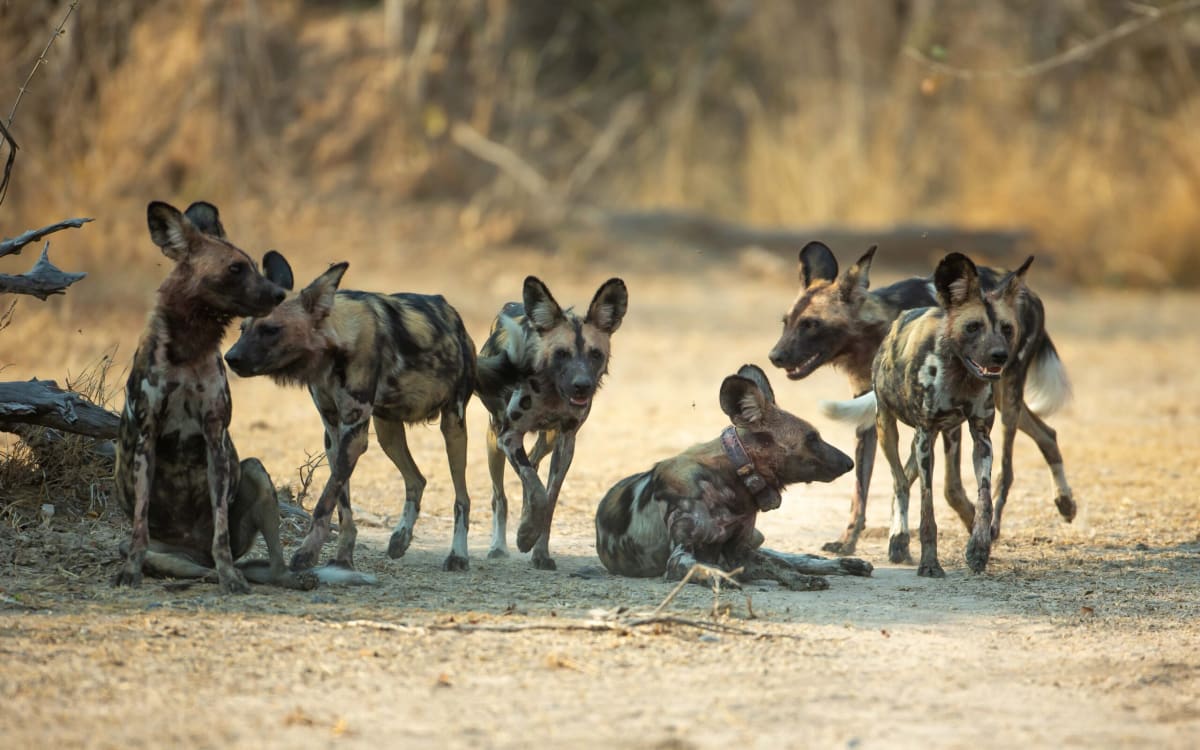
The Association of Zoos and Aquariums just launched a video series showcasing how 254 facilities are collaborating to save 56 endangered species through their SAFE program (Saving Animals From Extinction). These aren't just exhibit caretakers. They're field conservationists planting forests in Malaysia for orangutans, spawning corals for Florida's dying reefs, and building nesting boxes for thick-billed parrots in Mexico.
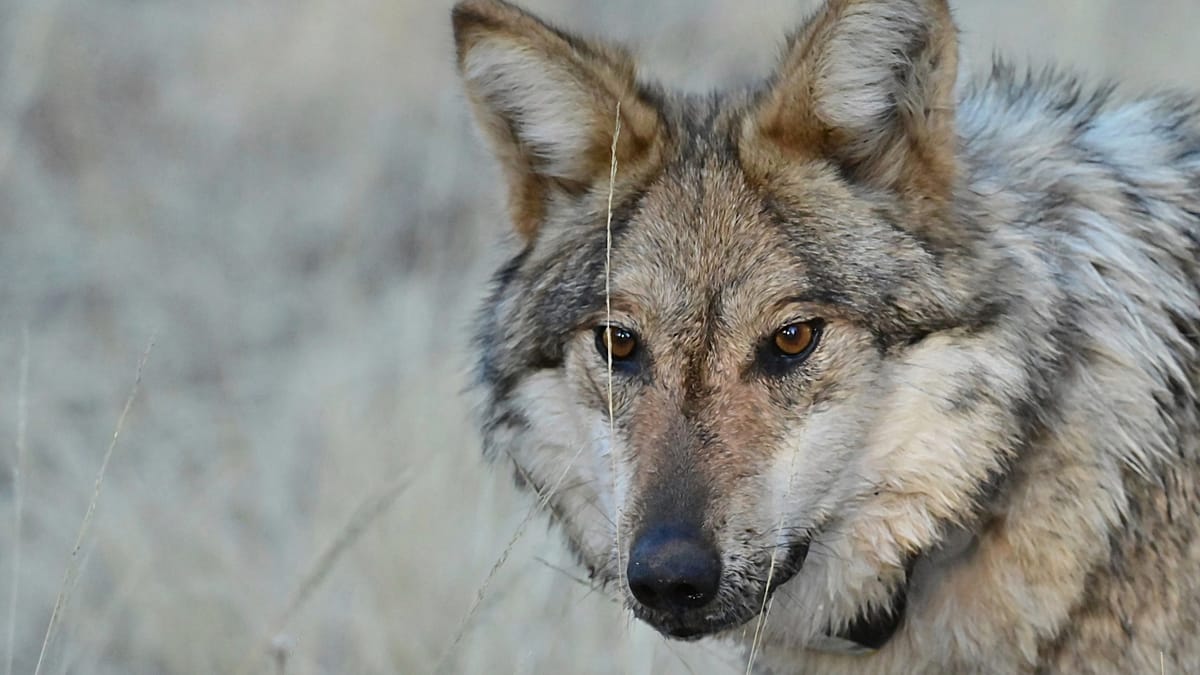
The results are already visible in the wild. Critically endangered Wyoming toads are hopping back into the Laramie River after successful breeding programs. American red wolves are establishing new packs in North Carolina. African vultures in Kenya are being tracked and protected thanks to zoo partnerships with local communities.
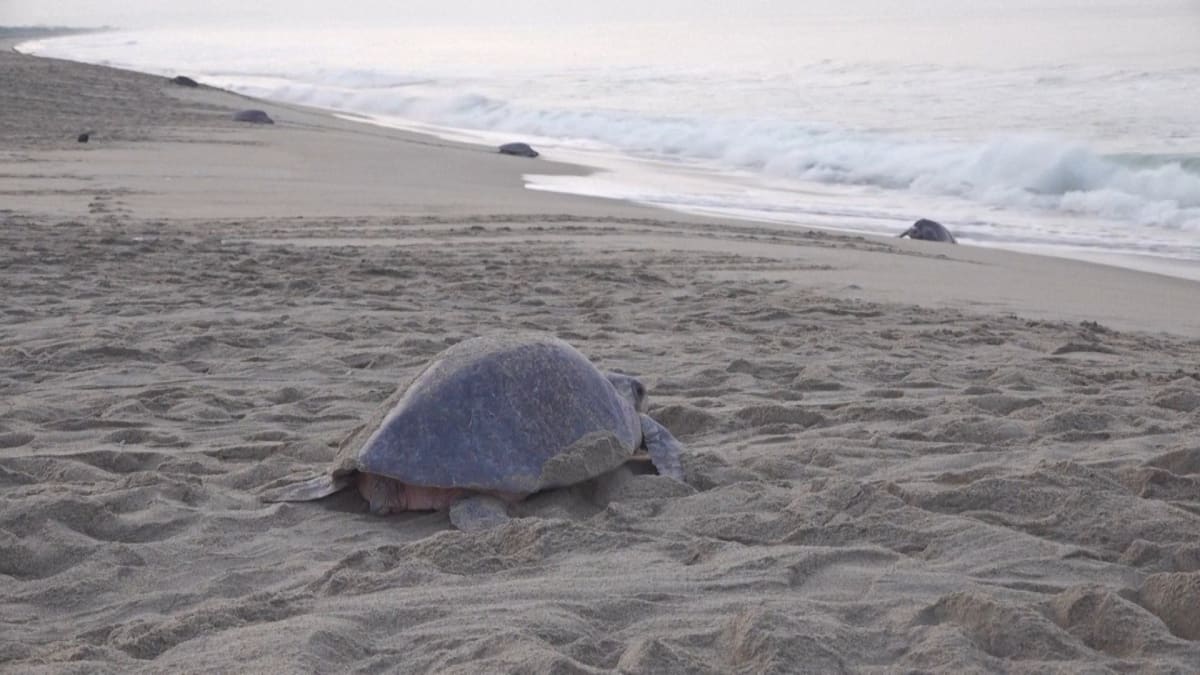
This collaborative approach is changing conservation itself. Instead of individual zoos working in isolation, SAFE pools expertise and resources from hundreds of institutions. When one zoo learns how to successfully breed a rare turtle, that knowledge spreads instantly across the network.
The Ripple Effect
The program's impact extends far beyond saving individual animals. In India, children are learning about sloth bears through zoo-led education programs. Chilean youth are becoming flamingo protectors. Communities in Minnesota are partnering with zoos to safeguard local turtle populations.
"Successful conservation goes beyond protecting species," said Shelly Grow, vice president of conservation and science for AZA. "It involves supporting local communities and fostering participation with all stakeholders in the process." That means when zoos restore a habitat, they're also creating jobs, protecting water sources, and strengthening ecosystems that humans depend on too.
The program covers hundreds of species across five continents and the ocean. Each species program builds on established recovery plans and measures real conservation progress, not just good intentions.
Zoo visitors who look for the AZA accreditation logo can feel confident their admission fees are funding real fieldwork happening right now in places most people will never see, protecting animals that might otherwise disappear forever.
Based on reporting by Google: species saved endangered
This story was written by BrightWire based on verified news reports.
Spread the positivity!
Share this good news with someone who needs it